📝 Detailed information
🏢 About the local organisation
We are a group where the main objective is to promote the sustainable communities, so we collaborate with rural and urban producers’ families through training which improves and helps them to increase the food production, at the same time, to conserve the local environment through the local participation. Besides, we attend the demand of the producers to promote healthy food in the communities, teaching them sustainable resources management and thus improving the productive systems.
💼 What the programme involves
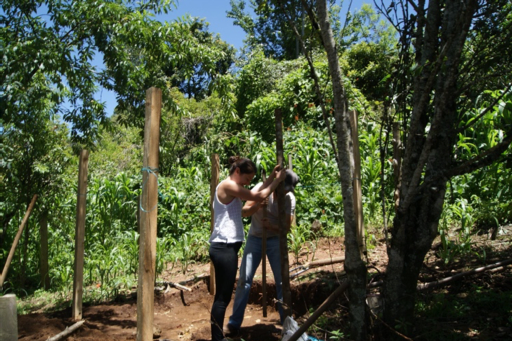
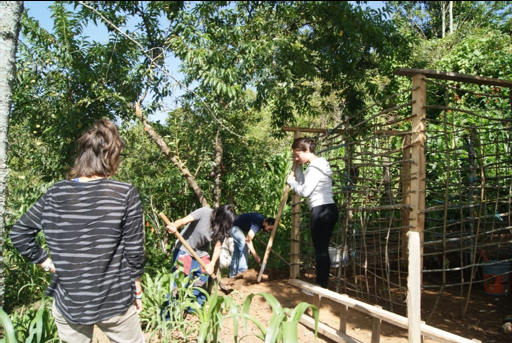
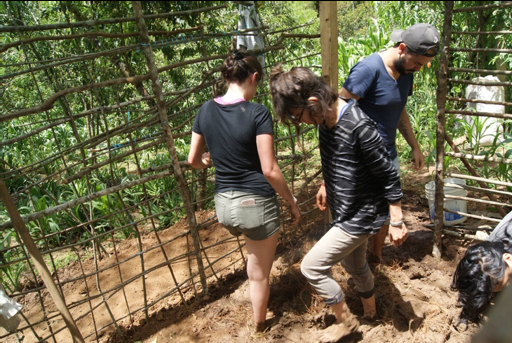
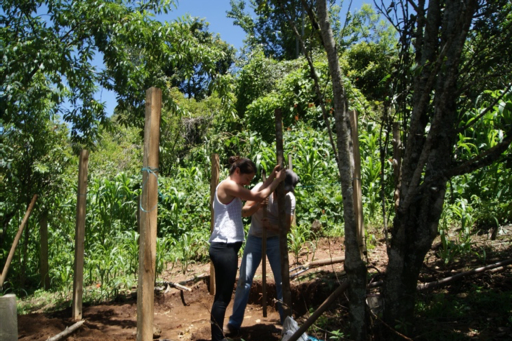
Based on the last summer 2018, this year we want to install a self-sustaining house taking advantage of the local resources that allow recuperating the ancestral knowledge.
During the first week, we have an introduction to the workcamp, the volunteer we will know about the self-sustaining, food production and agroecology. This week will be good to make a space for dialogue, reflection, and learning. After, the second week they will practice different techniques about organic fertilizer production, to install the organic garden in rural and urban context, meat food products with environmental awareness and animal health, bio-construction, and eco-technologies, besides to know the ancestral plants of the region. We will end the workcamp, with a journey to know the flora and fauna local, inside the city.
🏠 Accommodation on site
Inside the project. Basic conditions. Bring your sleeping bag. Meals are prepared by the volunteers.
📍 About the location
San Cristóbal de las Casas, is a town and municipality located in the Central Highlands region of the Mexican state of Chiapas. The municipality is mostly made up of mountainous terrain, but the city sits in a small valley surrounded by hills. The city’s center maintains its Spanish colonial layout and much of its architecture, with red tile roofs, cobblestone streets and wrought iron balconies often with flowers. Most of the city’s economy is based on commerce, services and tourism.
Tourism is based on the city’s history, culture and indigenous population, although the tourism itself has affected the city, giving it foreign elements. Major landmarks of the city include the Cathedral, the Santo Domingo church with its large open air crafts market and the Casa Na Bolom museum. The municipality has suffered severe deforestation, but it has natural attractions such as caves and rivers.