Circo Social
Code: 939c0768-eb76-11e9-9af5-00505603f1ab Copied
About the project
Circo Social
📝 Detailed information
🏢 About the local organisation
Performing Life’s mission is to help children and adolescents at risk in Cochabamba, Bolivia to improve their daily lives and create better futures for themselves and their families through the arts. We empower youth by teaching them productive skills that keep them in school and away from drugs while improving their chances for economic independence.
💼 What the programme involves
Activities involve: Teaching youth and families about health issues; leading health related workshops; helping families and youth to improve personal and household hygiene; empowering girls and boys to take control of their health.
This program is managed with technical assistance from local NGOs that provide specialized outreach and medical care in different areas, such as regular checkups to improve overall health. Youth go to the dentist, receive sexual education courses, and other workshops aimed at preventing disease and future health problems. As we help more families and youth improve their health and sanitation, we seek volunteers who have worked extensively with approaches that are culturally relevant, engage the whole person, and connect families with local resources for improving health outcomes.
Volunteer Requirements :
● Time commitment: 3-6 months
● Minimum Language Requirements: Advanced Spanish
● Required Skills: Community health education, disease prevention
● Activities involve: Teaching youth and families about health issues; leading health related workshops; helping families and youth to improve personal and household hygiene; empowering girls and boys to take control of their health.
This program is managed with technical assistance from local NGOs that provide specialized outreach and medical care in different areas, such as regular checkups to improve overall health. Youth go to the dentist, receive sexual education courses, and other workshops aimed at preventing disease and future health problems. As we help more families and youth improve their health and sanitation, we seek volunteers who have worked extensively with approaches that are culturally relevant, engage the whole person, and connect families with local resources for improving health outcomes.
🏠 Accommodation on site
We have a private room for rent in our central office, the rent cost 86$ per month, includes all the common areas, basic service and internet.
🍲 Food
The Performing Life Cafeteria provides free healthy meals for all participants who attend classes, assuring that they get at least one full meal a day. Volunteers can help in the kitchen and share a meal with the youth each day.
We don't have classes on the weekends, and we start with the programs from Tuesday to Friday, we offer to meals for the volunters in the Social Circus Program and School Support Program.
📍 About the location
Information about Bolivia
In the heart of South America, surrounded by five countries, lies Bolivia, one of the most diverse countries in the world. Although 50 percent of the country’s population lives on the most meager of incomes, the country enjoys a wealth of culture, many traditions, and extraordinary nature. Over 40 percent of the population self-identifies as a member of one of Bolivia’s 36 indigenous groups, with an additional 20 to 30 percent mixed indigenous heritage, contributing to the country’s strong diversity. The two largest linguistic and cultural groups are Aymara and Quechua. Bolivia has three official languages – Spanish, Quecha, and Aymara, and two capitals – La Paz, the administrative center, and Sucre, the judicial center. (For more demographic information, see the official Bolivian 2012 census summary.)
Bolivia has the largest percentage of indigenous populations in the Americas. Despite centuries of oppression, the indigenous groups remain independent, hard working, and dedicated to continuing their traditions. Bolivia has one of the lowest per capita incomes in the Americas, which contributes to high levels of extreme poverty. Land, resources, and wealth remain concentrated in the hands of a small number of families
– with the richest 10 percent of the population controlling nearly half of the country’s total wealth – one of the highest levels of inequality in Latin America.
As a result, the other 90 percent are engaged in every type of economic activity imaginable, just to put food on the table, and child labor is an accepted part of this effort. Most hardships of today’s poverty are the legacies of colonialism, dictatorship, corruption, and international debt.
Under President Evo Morales, elected in December 2005, the Bolivian government has undergone many changes. Morales enjoys popularity amongst the Bolivian people for advocating a return to indigenous roots and environmental conservation, yet he also faces a great deal of pressure from international corporations to improve infrastructure and modernize the economy.
Sceneries in Bolivia range from snow-clad mountains to tropical rain forests, with vast possibilities for rugged adventure, sightseeing, and relaxing. Options include trekking, spelunking, visiting ancient sites, sailing across Lake Titicaca, going on an anaconda hunt in the jungle, and visiting Salar de Uyuni, the world’s largest salt flats.
Cochabamba
The city of Cochabamba is situated at 8,375 feet above sea level in the center of landlocked Bolivia. The Department of Cochabamba, with a population of approximately 1,758,000, is both the agricultural center of Bolivia and a leading contributor to the country’s economy. Cochabamba is made up of 16 provinces. Its capital – the city of Cochabamba – is the urban center of the department with approximately 631,000 inhabitants. The city of Quillacollo
and its surrounding municipalities include 235,000 inhabitants.
Cochabamba, “the city of eternal Spring,” is a sophisticated setting for arts, culture, dialog, museums, concerts, and all the activities associated with cosmopolitan cities throughout the world. There are many universities and a vibrant nightlife, especially for young people. The restaurants serve delicious local dishes as well as Western food. The city has an international airport, bus terminal, and transportation to surrounding nature parks, lakes, and mountains villages. As the third largest city, Cochabamba and its surrounding municipalities are culturally and economically important to the country, yet 50 percent of its population lives in poverty ranging from moderate to severe. Many families live without basic necessities, while relentless despair fuels abuse, addiction, and family dissolution. In Cochabamba and surrounding areas, an estimated 200,000 children between the ages of
5 and 16 work at laborious, dangerous jobs such as brick making, construction, shoe shining, and selling or hawking on the streets, with little time or energy for an education.
An estimated 3 to 5 percent of children leave harsh conditions at home for the streets, where they are exposed to extreme dangers of police brutality, drugs, prostitution, and other circumstances leading to an early death.
🎒 Leisure activities
Entertainment and Socializing
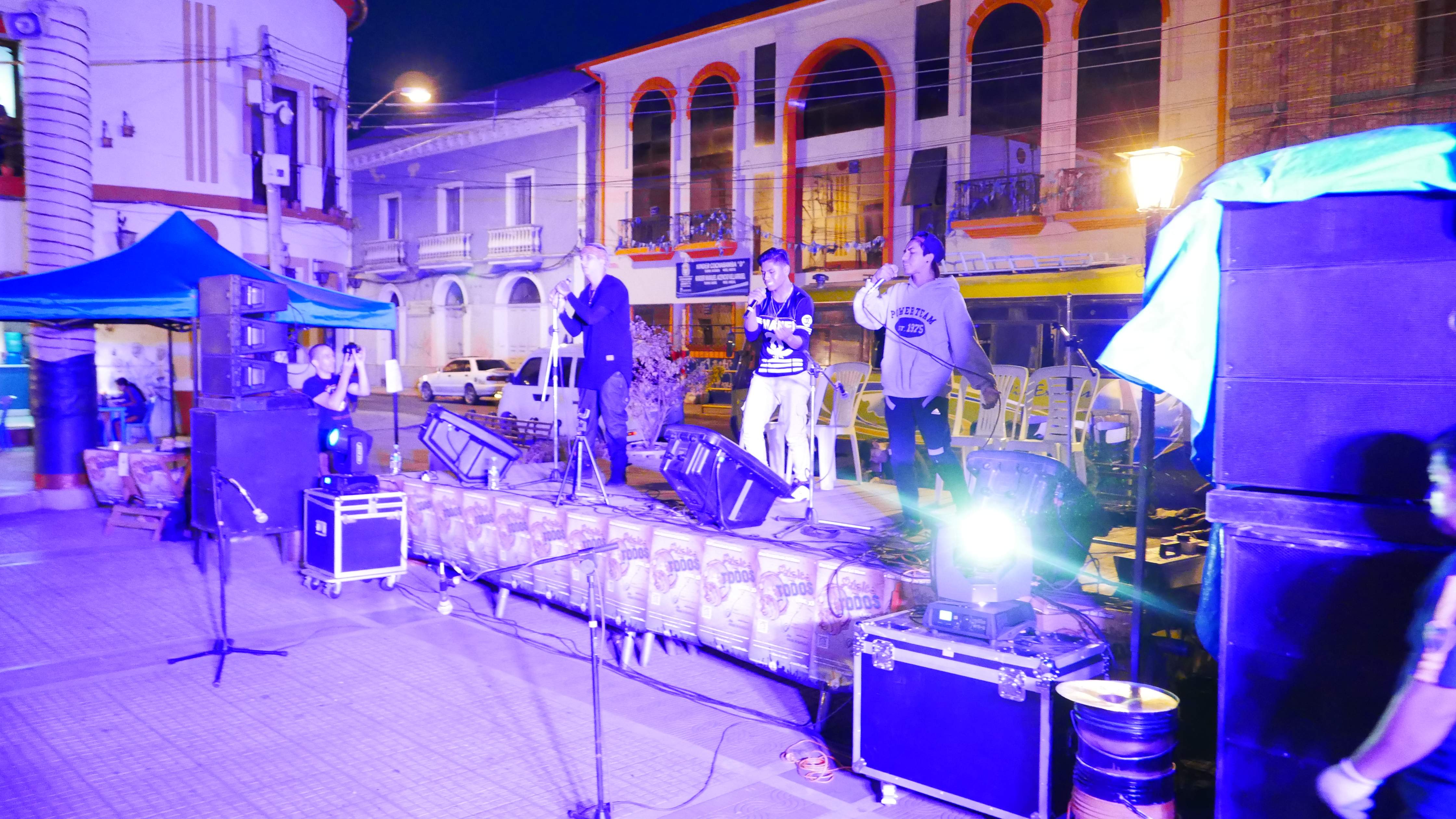
Cochabamba is a very interesting, lively place. There are plenty of sports and outdoor activities for those who like to be physically active. There nice restaurants, interesting public markets, and well-stocked supermarkets for those who enjoy good food and cooking. There are clubs for those who like dancing and nightlife. And there are lots of other activities such as lectures, films, games nights, poker tournaments, dance classes, and concerts presented by local groups of all kinds. Several countries maintain centers in Cochabamba, offering regular programs and opportunities to meet new people. There are numerous museums and cultural exhibits that are a good introduction to the region. The surrounding villages and countryside offer beautiful places to visit. Volunteers frequently organize weekend trips to towns, national parks, and other attractions nearby. For example, Toro Toro features caves, waterfalls and dinosaur footprints; Chapare offers rainforests with monkeys, birds, and other wild animals; while La Angostura has a beautiful lake with cabins for rent.
Weather and Environment
The weather in Cochabamba is wonderful most of the year, blessed with an “eternal spring” climate. The rainy season, which lasts from November to February, is not as strong as in other parts of South America. The rest of the year the weather is warm (sometimes very warm) in the day and cool to cold at night. Because the city is at 8,500 feet, it takes a day or two to become acclimated, but it is easier than in La Paz, which is 13,000 feet. Mountains surround the city and a few hours journey by auto can take you to world-famous locations. Plan to spend a weekend or more traveling to some of the remote, fascinating nature reserves, lakes, and archaeological sites.
⚠️ Requirements
ℹ️ Additional information
Office and Class Hours :
For those volunteers working in the office, doing administrative tasks, fundraising, etc., office hours are 9 am – 12, 13-17 pm Monday – Friday.
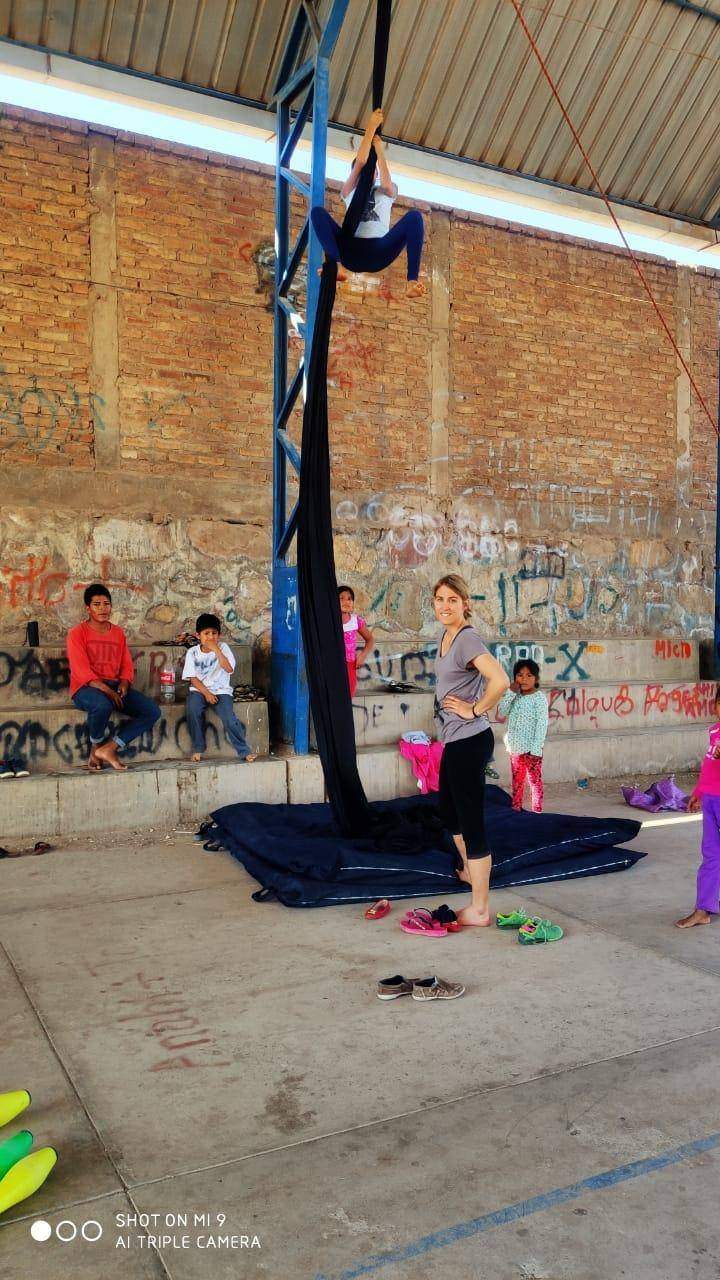
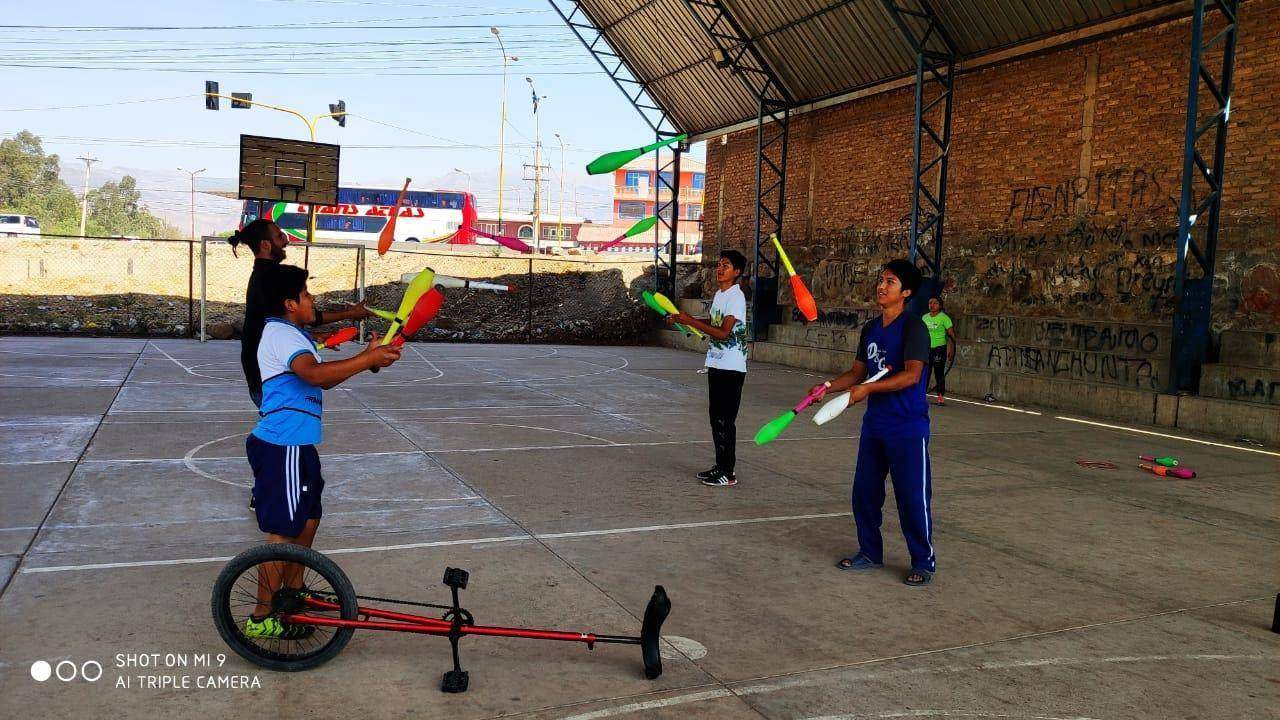
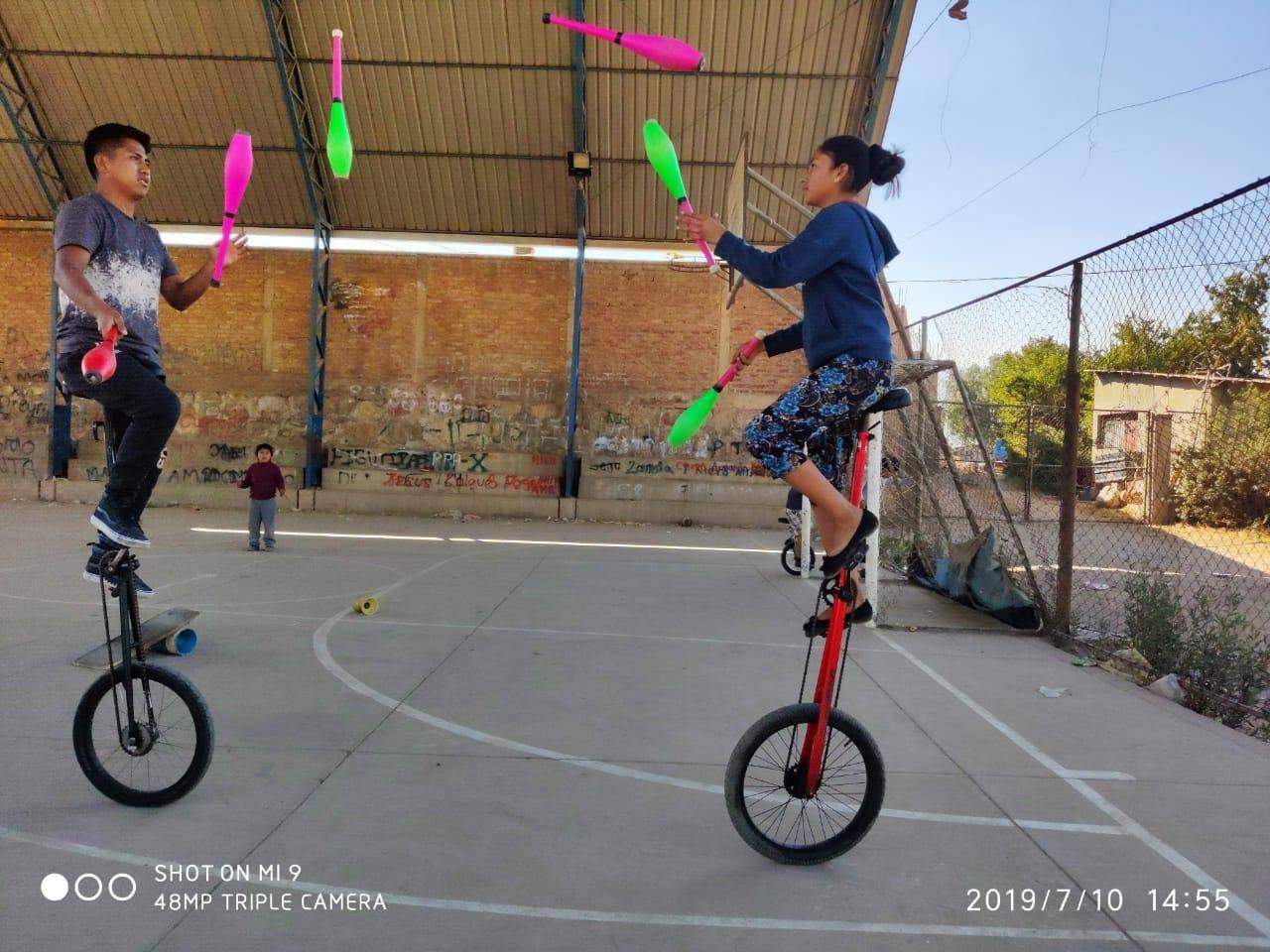
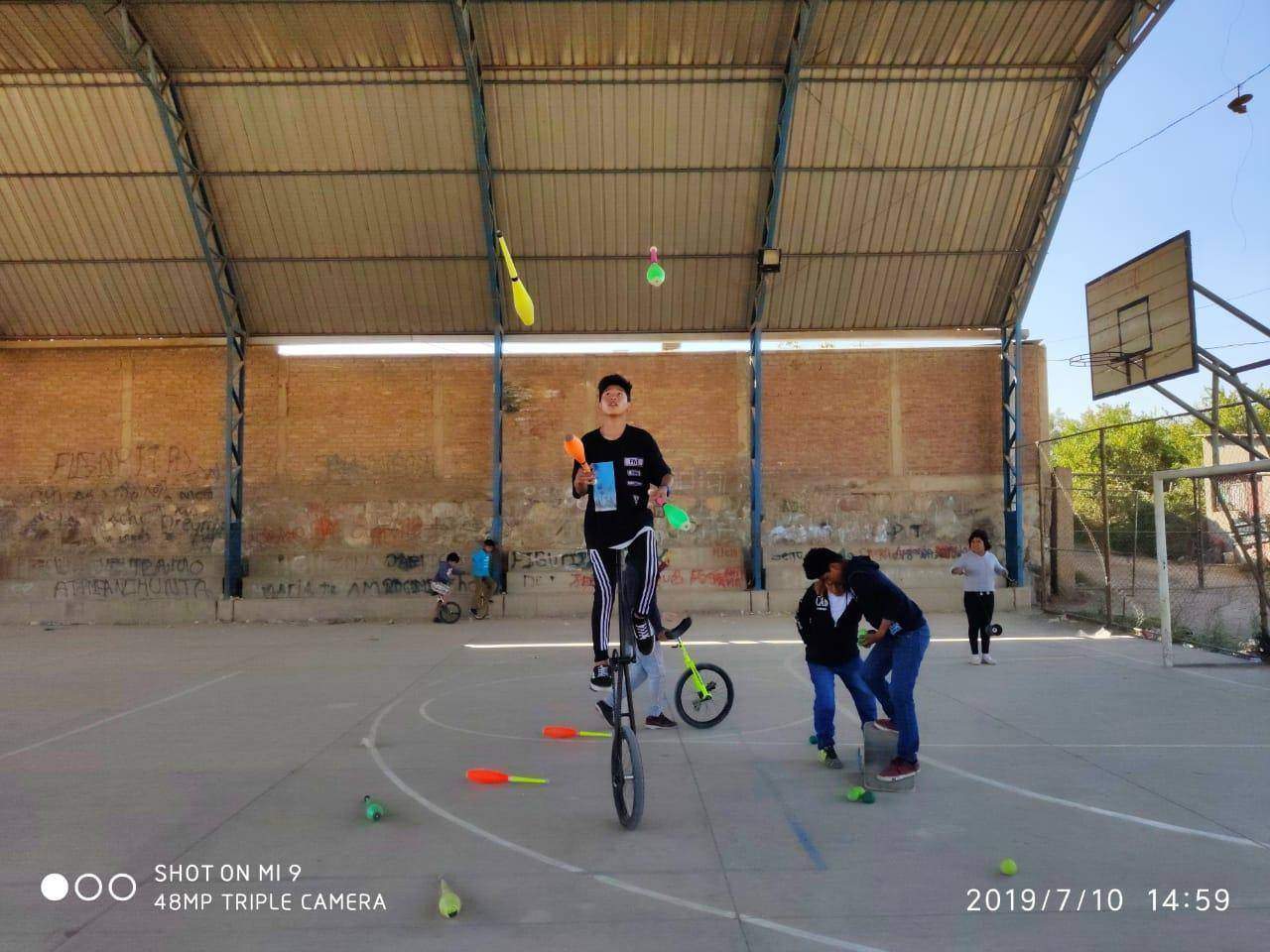
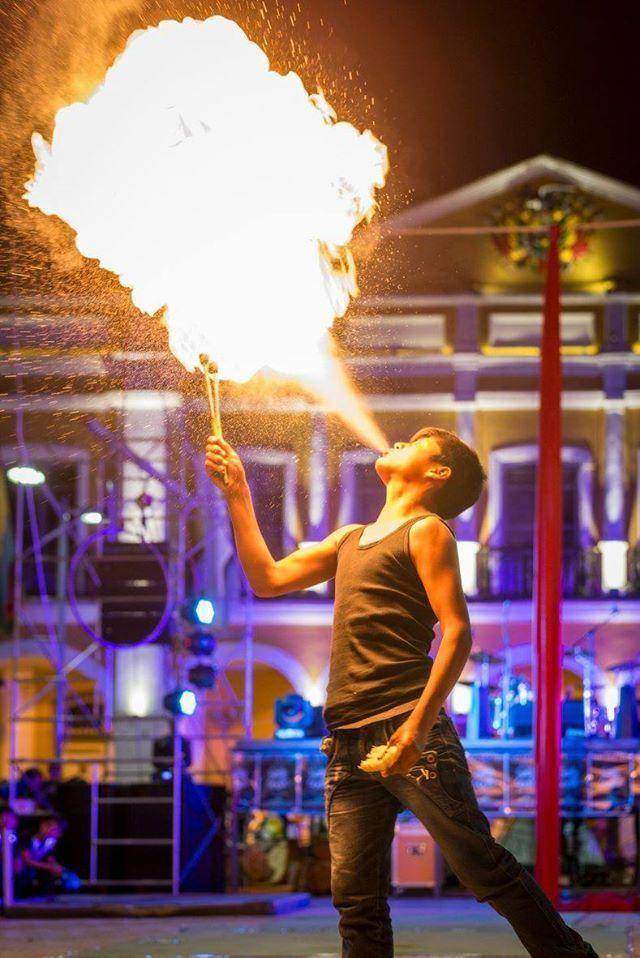
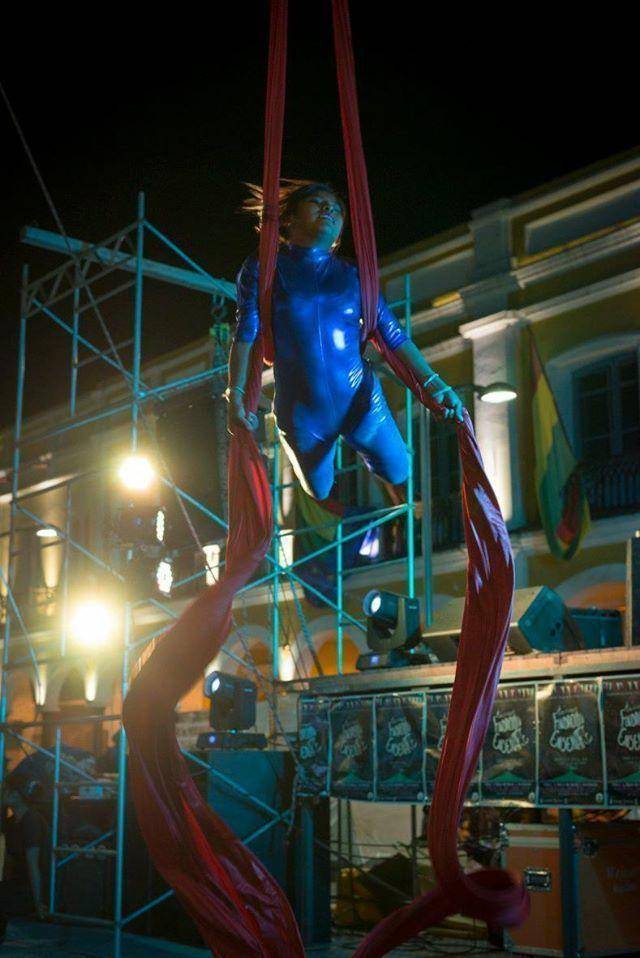
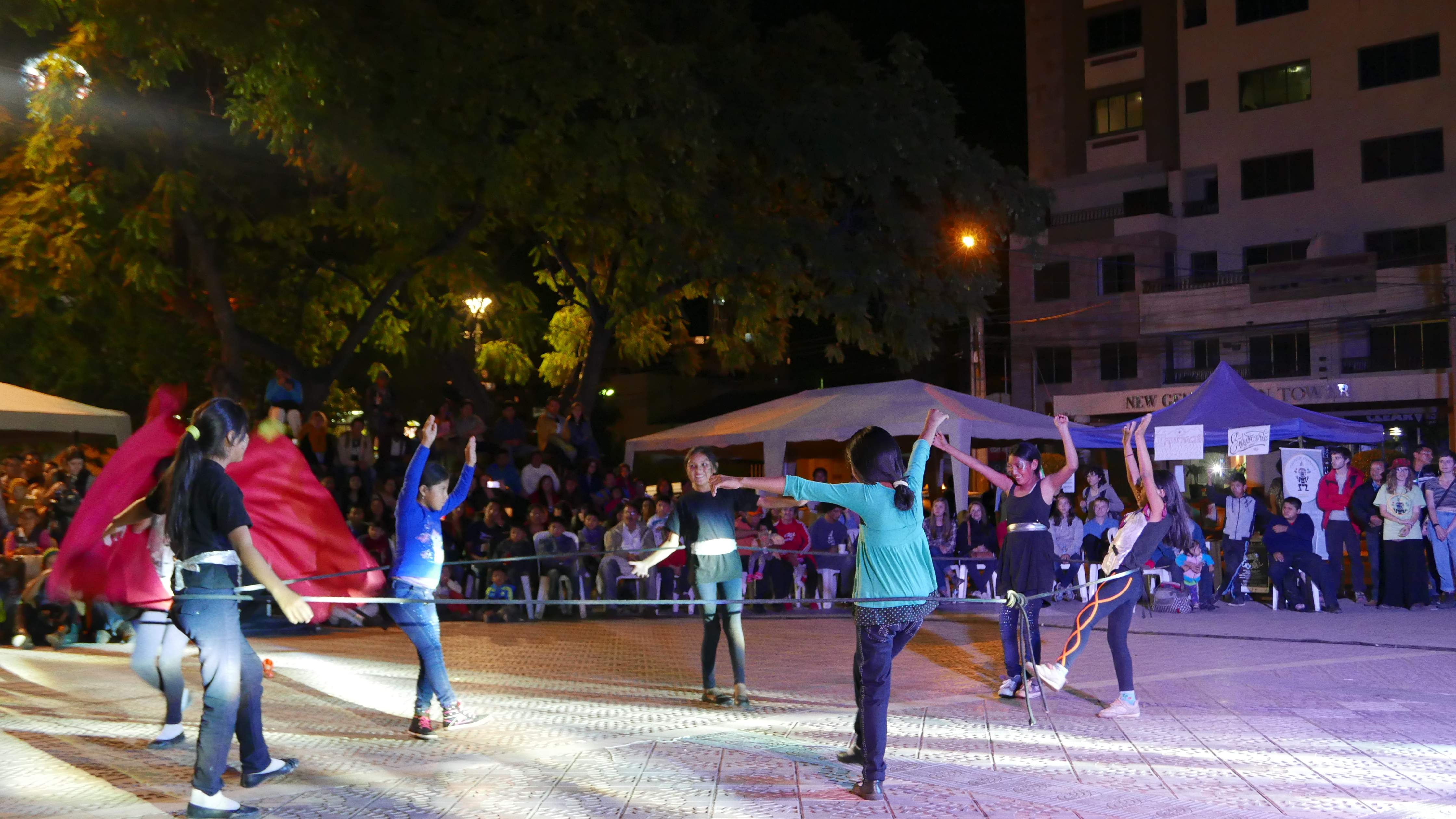
For those who will be working directly with the children, we have two social circus classes, one in the afternoon in Montenegro and one in Alta Buena Vista.
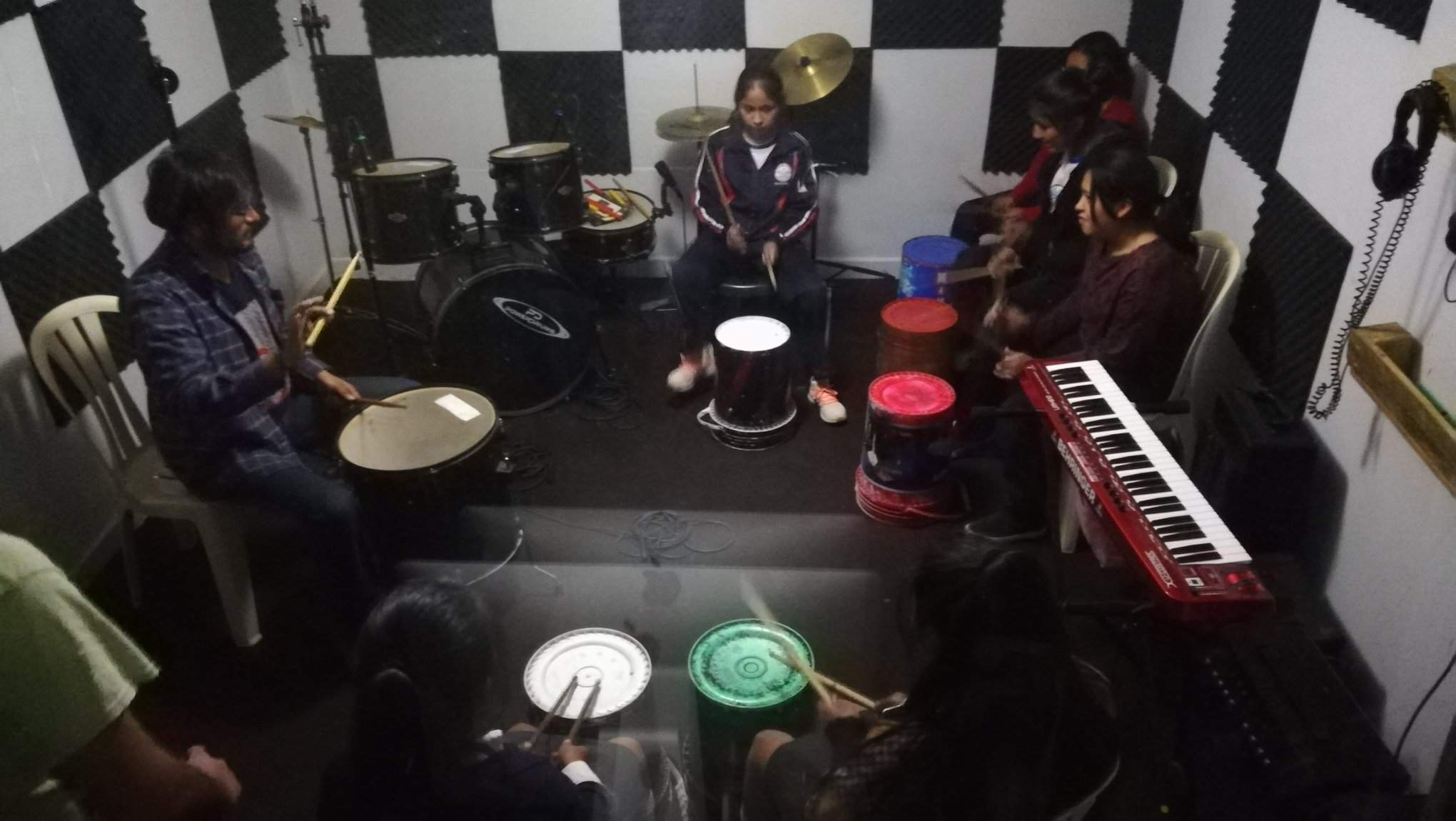
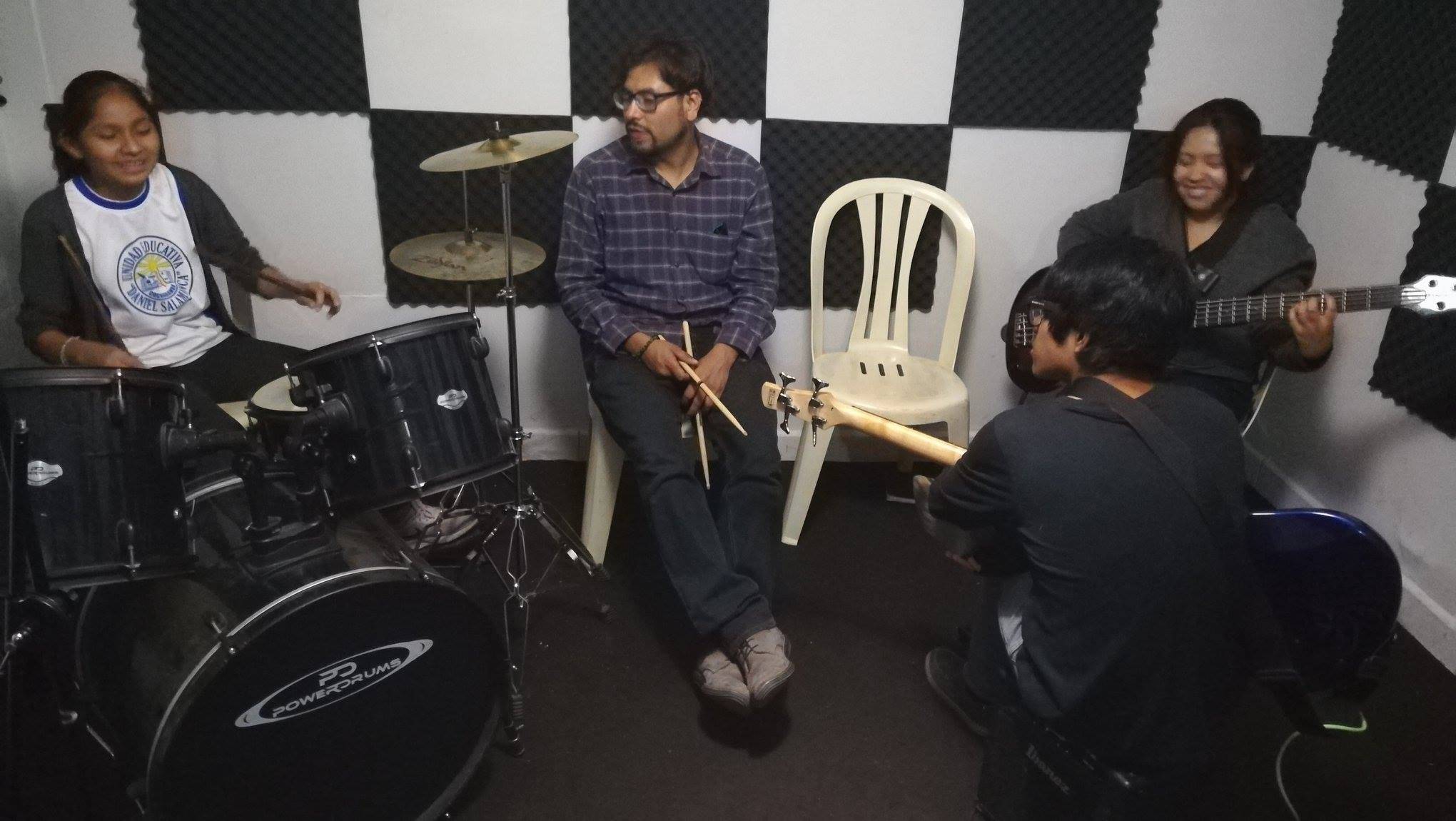
The Music classes are Monday through Wednesday.
• Cochabamba: Every Monday we start the week with a staff meeting from 9 – 11:30. From Tuesday through Friday
• Montenegro: between 20 and 30 youth attend daily in the social circus class and the school support program from 14.00 – 17.00. Groups rotate between circus arts and education support classes, each approximately for an hour and 30 minutes, with ten minutes in between classes and a short time for putting away equipment, materials, and washing up before the meal is served at 17.00.
• Alta Buena Vista between 20 and 30 youth attend daily in the social circus class and the school support program from 14.00 – 17.00. Groups rotate between circus arts and education support classes, each approximately for an hour and 30 minutes, with ten minutes in between classes and a short time for putting away equipment, materials, and washing up before the meal is served at 17.00. For the Social Music Program youth attend music classes from 14:00 till 18.00.From Tuesday through Friday.
Interested in this project? Create your account and apply online.
Sign in to apply📷 Project photos
📅 Available sessions
Social Circus
04/02/2020 → 15/12/2020
SocialCircus2020
01/03/2020 → 31/12/2020
ℹ️ Key information
Age required
18–99 years old
Solidarity donation
0.00
French tax residents may be eligible for a tax reduction of up to 66% of their costs (membership, plane tickets, solidarity donation).
📍 Location
Cochabamba, Bolivia
Bolivia
🌍 Location info
Local currency
Bolivia Boliviano (BOB / $b)
Exchange rate
1 BOB = 0.076143 EUR
Rate as of 31/05/2026
Timezone
Bolivia Time
Local time: 21:14 (12/11/2026)
🛡️ Before you leave
✅ Features
🗣️ Languages spoken