Conservation of the Loggerhead Sea Turtles - Hatching
Code: aee7cc36-866f-11eb-9ba3-fa163ef8d720 Copied
About the project
Conservation of the Loggerhead Sea Turtles - Hatching
📝 Detailed information
🏢 About the local organisation
Project Biodiversity is a Cabo Verdean non-governmental organization (NGO) dedicated to the conservation and sustainable management of natural resources, with a particular focus on the island of Sal. The organization works to protect endemic species and fragile ecosystems while promoting a model in which nature and society can thrive together.
Its vision is a Cabo Verdean society where communities actively and sustainably manage natural resources, contributing to both environmental protection and economic development. Project Biodiversity aims to develop and implement sustainable management systems that integrate emerging environmentally oriented economies with the responsible use of Sal’s ecosystems, fostering a more resilient, environmentally conscious, and economically strong community.
The organization combines scientific research, habitat restoration, and environmental education with active community engagement. Through fieldwork, biodiversity monitoring, and volunteer programs, it promotes awareness and empowers both local communities and international participants to take part in conservation efforts.
Project Biodiversity is guided by a strong set of core values:
Environmental Ethics: Promoting awareness of the ecological and economic importance of natural resources as a foundation for responsible development;
Ethical Volunteerism: Encouraging solidarity, cultural exchange, and volunteering as tools for education and engagement;
Commitment to Community: Inspiring individuals to take personal responsibility for environmental protection;
Economic Opportunity: Highlighting the social, economic, and health benefits of conserving natural ecosystems;
Environmental Responsibility: Raising local and global awareness about conservation and stewardship;
Sustainability: Supporting decision-making that balances ecological resilience with long-term economic prosperity.
Through its integrated approach, Project Biodiversity plays a key role in safeguarding Cabo Verde’s natural heritage while supporting sustainable development.
💼 What the programme involves
On Sal, you can witness the mesmerising phenomenon of loggerhead sea turtles nesting at night. This once-in-a-lifetime experience is one of the favourite tourist activities during the summer.
The Loggerhead sea turtles from Cabo Verde are an endangered species, and observing their nesting process is delicate and strictly regulated, so you should choose government-certified and trained guides.
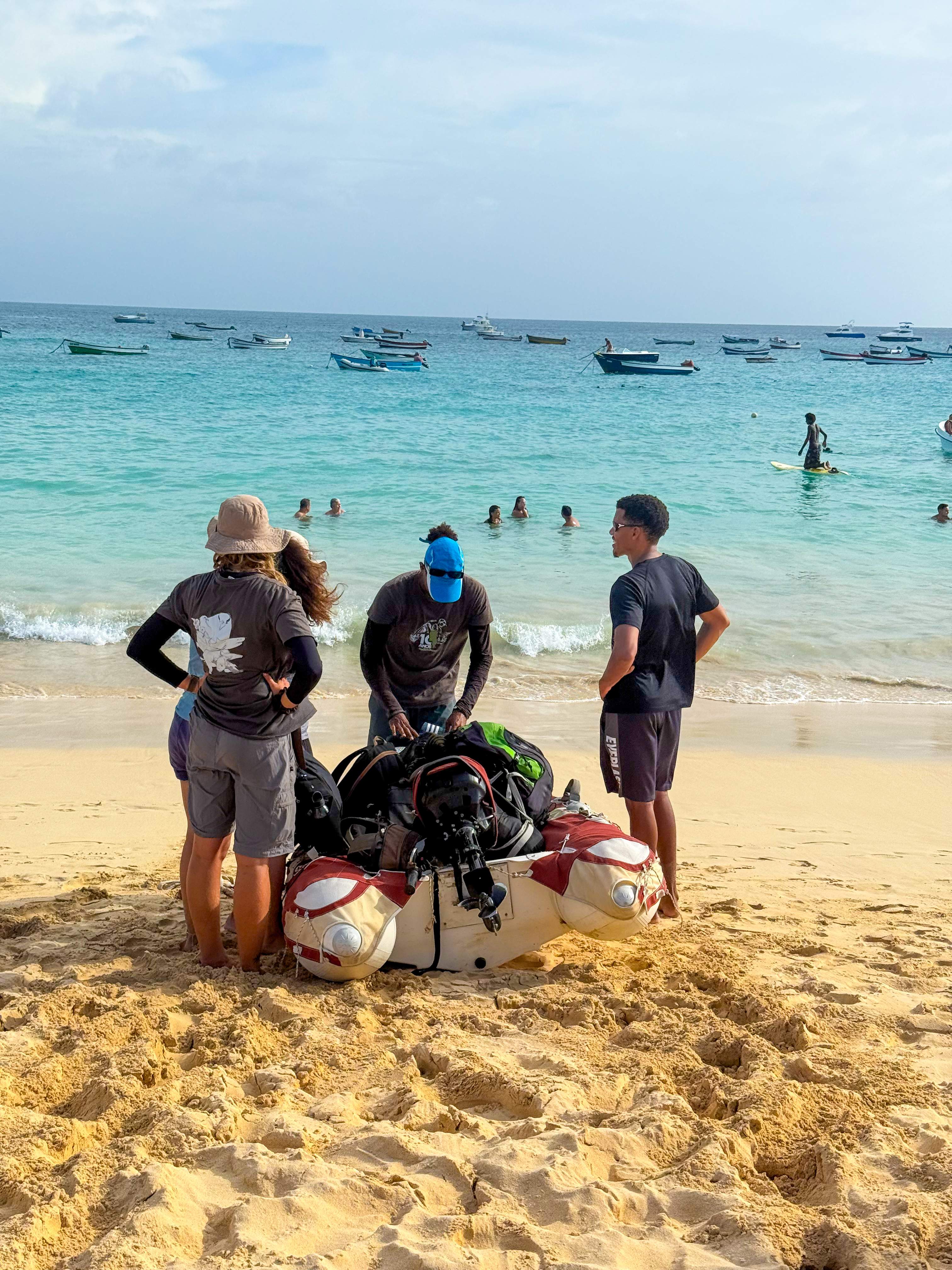
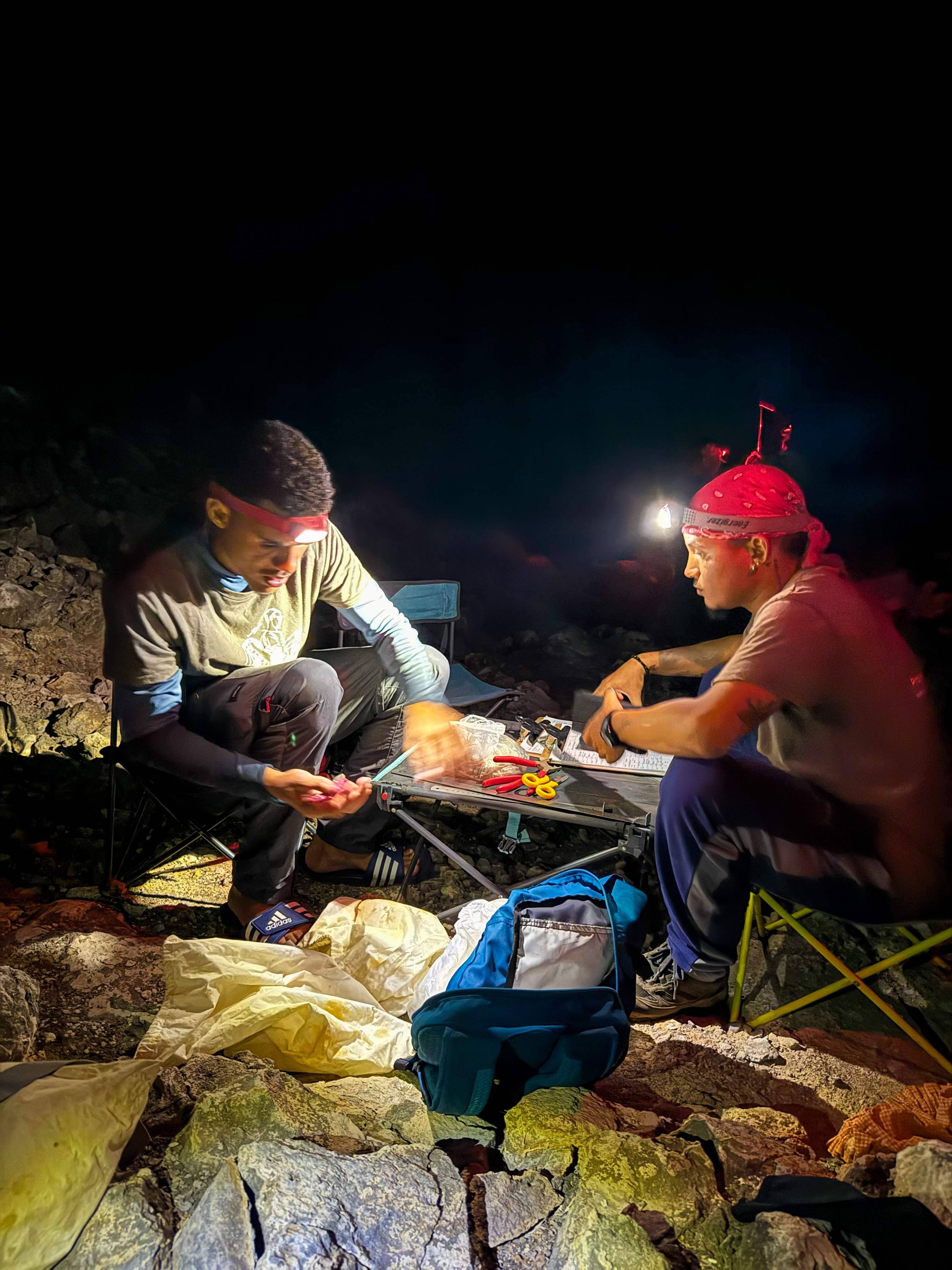
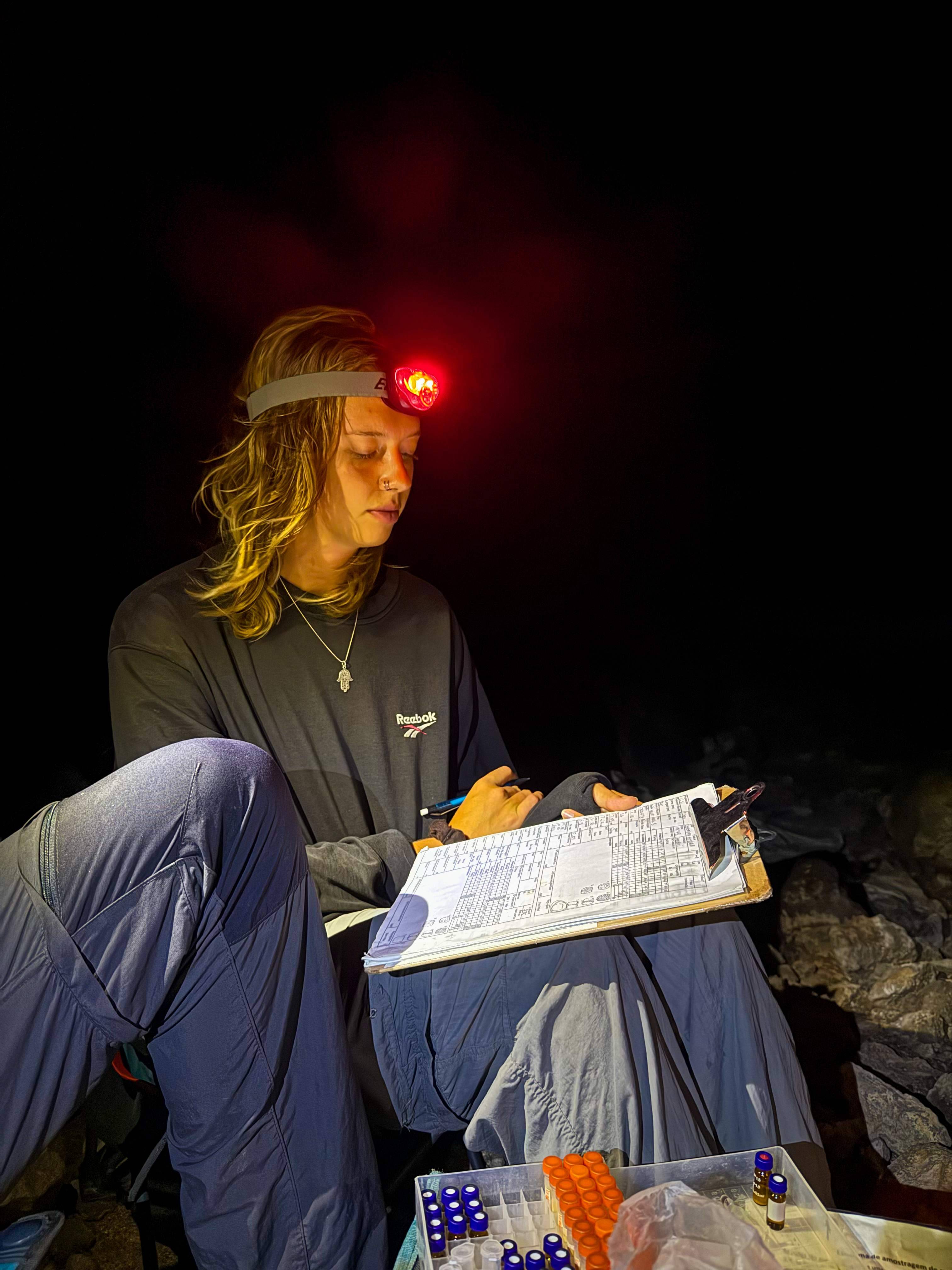
During the hatching season, volunteers are responsible for the monitoring of Loggerhead nests in the hatchery and on the nesting beaches. Under the supervision of the coordinators, volunteers will take part in different activities:
- Morning patrols on the main nesting beaches of Sal Island looking for nests that hatched during the previous night;
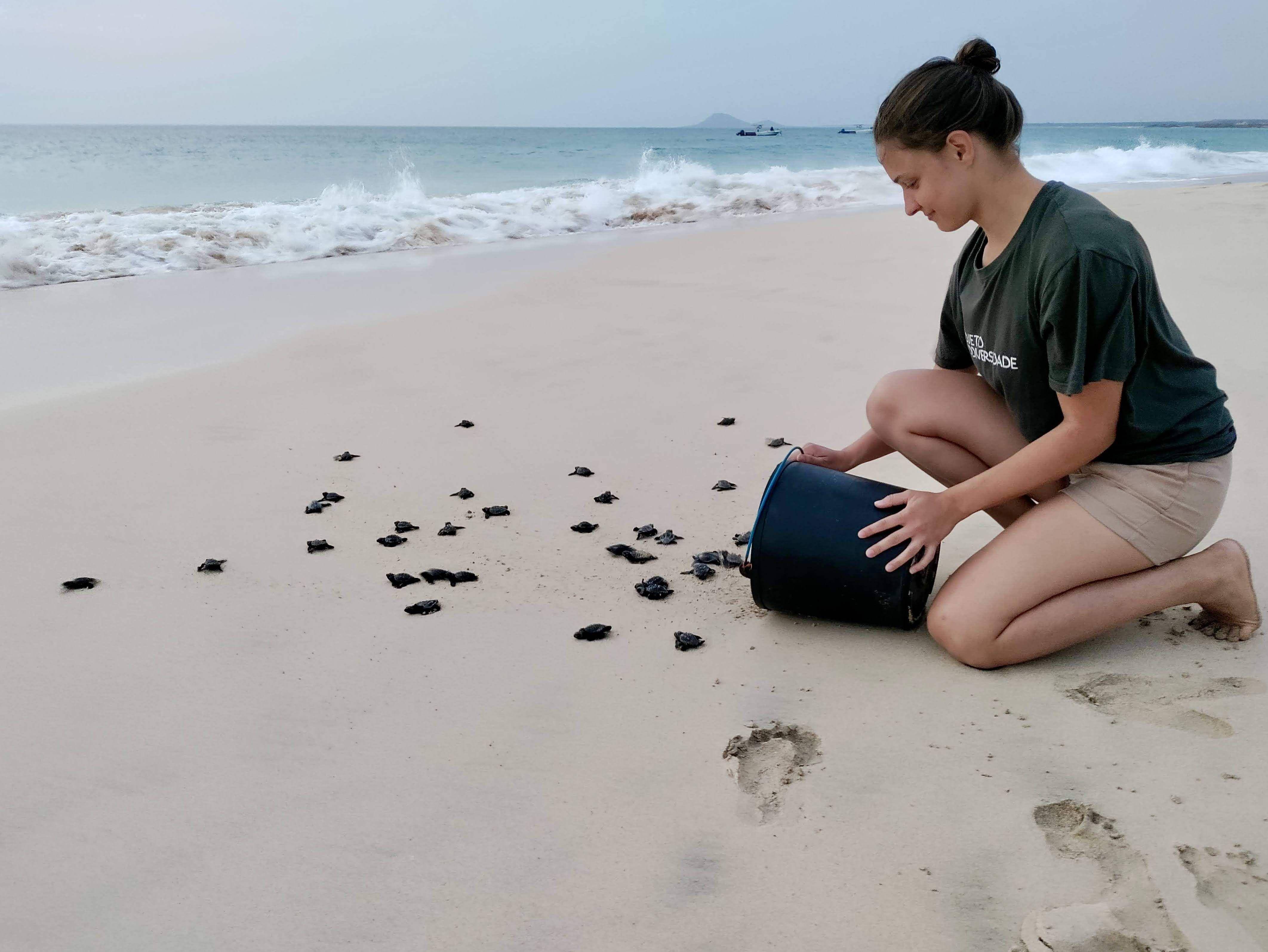
- Overnight shift in the project hatchery monitoring the nests that are due to hatch and releasing the hatchlings on nearby beaches;
- Excavation of nests that hatched on the previous night and collection of important scientific data. During those excavations volunteers will also be releasing any hatchlings left inside the nests;
- Taking part in outreach activities with the local community and tourists;
- Maintenance of material used throughout the nesting season.
With this experience, you will learn about turtle conservation techniques and will have the opportunity to make a real difference to the survival of marine turtles.
You will work with a mix of people of different nationalities, ages and backgrounds. A big proportion of the team is made of up local Cabo Verdeans that work in the project. We all share a bit of commitment for our work and a great wish to contribute to the conservation of the wildlife and the other natural resources of Cabo Verde. We always encourage coming into your volunteer experience with an open mind, ready to learn about other cultures as well as share parts of your own.
🏠 Accommodation on site
As a volunteer during the nesting season, you’ll be based in our field camp (living in a shared tent with other volunteers), with rest periods in apartments in Santa Maria. Volunteers work six days each week and will have one day/night off to explore the island, enjoy diving, surfing, and other water sports, or just lie on the beach and relax! Living under these conditions can be challenging, extremely tiring, and stressful, but it will also be exciting, sun-filled, and full of adventure
Our field camp is a critical part of the protection of turtles. It is the base of our activities during the nesting season and a place where to connect with nature and with other staff and volunteers from the association and from Sal. By being right on the beach at all times we are able to increase the success of the patrols, reducing the chances of poaching of nesting turtles.
All participants will stay in the main camp for - at least - six out of every seven days. On rest days you are free to go into Santa Maria where a shared, self-catered apartment is provided. The main camp is a 40-minute walk from the village, and in the case of an emergency, there is a clinic just a 15-minute drive away.
🍲 Food
Meals are not provided. Food is not cheap here, but you will be able to save some money by doing communal cooking.
The camp is right on the beach and are basic, but comfortable, with shaded areas, walled-tents, and a toilet. There is no running water and electricity. A petrol generator might be used to charge batteries and equipment for the project activities. Drinking water is provided, and there is a limited amount of freshwater for showers and washing clothes. Biodegradable soap is required for use in the camp.
Lunch and dinner are prepared by a cook. We try to be varied and to adapt to everybody’s needs but the food in Sal Island is very expensive and not so varied. This is because all the food is shipped from other islands or even from Europe. We ask all the staff in the camp to understand this and to be helpful and participative with new ideas of possible meals, instead only being negative and critic. We welcome all sorts of alimentary needs and we are careful with allergies. On these occasions, and given the size of the team, we're always grateful for your collaboration.
Facilities and comfort are limited, so you should be sure that you are able to cope with these conditions before you apply. For those offered a position, we are happy to advise you about what you should bring, and about what you will need.
📍 About the location
Sal Island belongs to Cabo Verde, an independent republic since 1975, ex colony of Portugal. It is one of the most stable democracies of Africa and also one of the safest countries. The official language is Portuguese although a local Creole is widely spoken. Sal Island is the main touristic destination of the archipelago, and the tourism is concentrated in Santa Maria (in the south of the island), where the project is based.
The tourism industry is growing very fast. This has a positive influence on the local economy, but a negative impact on the environment. The biggest problem is the nonexistence of waste management.
The education rate is high, being public and widely spread among all the community. However, the quality of education is not so good, even more in nature and environmental issues.
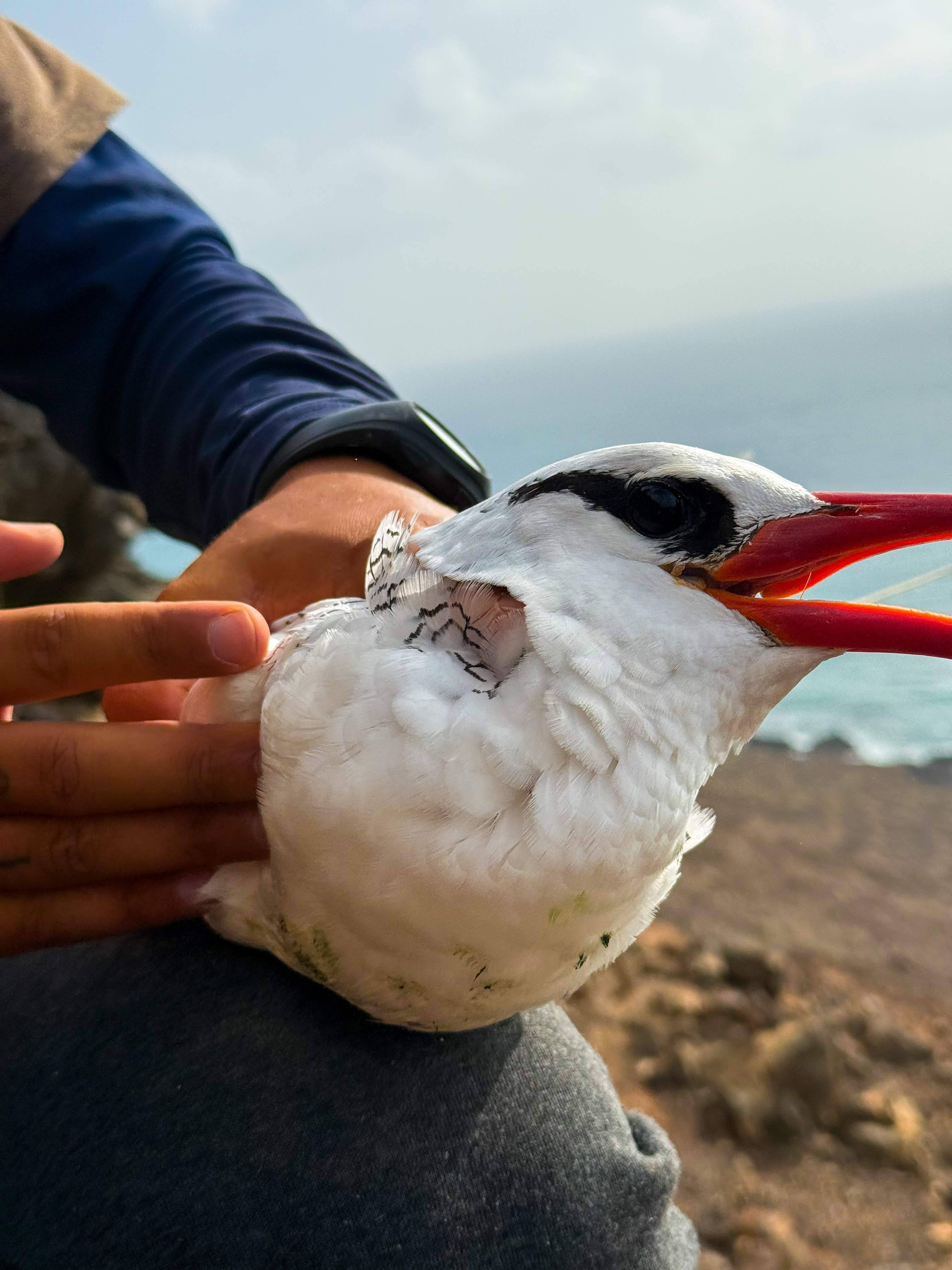
Sal is a nature-blessed island home to many bird species, some endemic to Cabo Verde. Key among them is the Red-billed Tropical Bird (Phaethon aethereus), whose striking appearance makes bird-watching on this island a unique treat. We have one of the largest colonies of red-billed tropical birds in West Africa, located on Sal Island, and this beautiful bird attracts many visitors. Seabird species like Shearwaters (Puffinus) and Petrels (Procellaria) and coastal birds like Plovers (Charadrius) or Sandpipers exist.
Despite the rarity of rain—less than a handful of days a year—it can be intense, causing temporary flooding due to the dry soil's inability to absorb it, creating temporary lakes. These wetlands are crucial for the island's Atlantic biodiversity. During their annual migration, various bird species visit our island, particularly enjoying the temporary lakes. The visitors include European Spoonbills (Platalea), numerous Egrets (Egretta), and other bird species.
Some species use Sal as their breeding areas, such as most seabirds, wader birds, and the majestic Osprey (Pandion haliaetus), which breeds during the winter months. Be aware of this when approaching colonies or when birds behave erratically, and, in this case, leave the area immediately.
🎒 Leisure activities
Volunteers work six days each week and will have 1 day/night off to explore and enjoy the island.
As a very touristic destination, Sal Island presents some different options: any kind of water sports with international renown for kite-surfing and surfing. Diving and snorkeling are also very present.
Visits around the island to spots of interest and to other communities, nature excursions such as easy trekking, shark watching, sailing trips and/or bird watching.
The association has agreements with several companies (surfing, diving and nature excursions) that apply very good discounts to all the volunteers.
⚠️ Requirements
- Desire to participate in conservation;
- At least 18 years old and under 45 years old;
- Must understand written and spoken English;
- Good level of physical fitness;
- High level of energy and flexibility;
- Able to cope with physically challenging conditions (sleeping on the beach, long walks, late nights, hot weather, insects);
- Ability to work and live with people of different backgrounds and nationalities.
🤝 Meeting point
you should check with our Volunteer Coordinator about your trip to Cabo Verde as we will have up-to-date information on flight options and conditions. Please, check your country’s recommendations and restrictions about international traveling to make sure there are no flight restrictions for you to fly to Cabo Verde. You should also check if quarantine is mandatory for you once you arrive from abroad and take this into consideration when booking your volunteering, so you can best accommodate any events/work you might have once you arrive back home. If your flight has a stopover in a different country before/after traveling to/from Cabo Verde, you must also see if there are any restrictions to travel to/from these countries and your country. At the moment, there is no quarantine required for travelers arriving in Cabo Verde.
It is strongly recommended to book flights with a cancellation option when it is available. Once you are informed by our team of the route/flight connections that should be taken to get to Sal, you must book the flights with the cancellation insurance in case the programme is canceled and/or there are restrictions to fly to Sal.
ℹ️ Additional information
Volunteer contributions cover accommodation and utilities such as water and electricity. Volunteer contributions also provide critical funds needed to support basic but essential needs of the project, allowing us to patrol the beaches more effectively, and ultimately protect more turtles.
The price is 220€ for one week, 270€ for two weeks and 320€ for three weeks. For each additional week, the price is 50€.
We strongly recommend a stay of at least 2 weeks, but the minimum stay is of 1 week.
At your arrival, you will be required to pay a €100 refundable security deposit against loss or damage of project equipment, and you should bring sufficient funds for any other activities that you would like to do. Once a volunteering period has been agreed, you will be asked to pay via bank transfer 100€ of your fees in advance. This payment will ensure that your place is booked as we have limited spaces and the demand is big. The payment will not be refunded if you cancel your volunteering – unless the cancellation is due to travel bans and/or flight restrictions, as a result of the pandemic. If once you arrive at the project you decide to leave the before the agreed date, your total contribution will not be refunded (this does not apply for the refundable security deposit, which will be refunded).
The period when you can participate runs from the 20th of October until the 9th of December.
Interested in this project? Create your account and apply online.
Sign in to apply📷 Project photos
📅 Available sessions
PB-Hatching-2021AUTO-EXT
10/12/2024 at 00:00 → 30/01/2028 at 00:00
PB-Hatching2023
01/09/2024 at 00:00 → 06/12/2024 at 00:00
PB-Hatching season
23/10/2019 → 10/12/2019
PB-Hatching season
23/10/2018 → 10/12/2018
PB-Hatching2020
10/12/2019 → 31/12/2020
PB-Hatching-2021
20/10/2021 at 00:00 → 09/12/2024 at 00:00
ℹ️ Key information
Age required
18–45 years old
Solidarity donation
370.00 EUR
French tax residents may be eligible for a tax reduction of up to 66% of their costs (membership, plane tickets, solidarity donation).
📍 Location
Santa Maria, Cabo Verde
Cape Verde
🌍 Location info
Local currency
Cape Verdean Escudo (CVE / $)
Exchange rate
1 CVE = 0.009107 EUR
Rate as of 31/05/2026
Timezone
Cape Verde Standard Time
Local time: 21:08 (12/11/2026)
🛡️ Before you leave
✅ Features
🏠 Accommodation
🗣️ Languages spoken