ESC : Opportunity 1: Volunteering in Kindergartens
Code: ca1f95e1-1d96-11ef-aae3-fa163ef8d720 Copied
About the project
ESC : Opportunity 1: Volunteering in Kindergartens
📝 Detailed information
🏢 About the local organisation
Our Polish partner, established in 2004, has been hosting ESC volunteers since 2009 in their children's center, the Brave Kids project, their office, as well as in kindergartens and schools across Wroclaw. Beyond ESC projects, they are deeply involved in local initiatives aimed at integrating individuals and groups at risk of marginalization and social exclusion, such as children from disadvantaged backgrounds, the Roma minority, and people with mental health issues. The organization brings together professionals from diverse fields, including teachers, trainers, psychologists, ethnologists, historians, and sociologists. Their team comprises several dozen active social activists, reflecting their broad interests and activities in education, civil society research, and cultural projects.
The common goal of our partner is to integrate persons and groups at risk of marginalization and social exclusion. They are united by a passion for their work and a belief in their ability to effect positive change. The organization supports children and dysfunctional families, the Roma minority, and people with mental health issues. They also assist students and graduates, including those from abroad.
A core activity of the Foundation is operating community centers for children, which serve as integration hubs. These centers provide educational support and engaging workshops five days a week, helping Polish and Roma children with their schoolwork and offering opportunities to develop their passions and cultural traditions. One notable outcome is the integration band, Terni Romani Bacht, where children learn not only dance and music but also tolerance.
Since 2009, the organization has participated in the "European Voluntary Service" under the Youth in Action and now Erasmus+ Program, hosting volunteers from all over Europe. Accredited since 2011 for hosting, coordinating, and sending volunteers, they successfully extended this accreditation in 2014. The organization works with two experienced coordinators and a well-prepared mentor. For seven years, they have organized comprehensive studies for institutions and organizations working with the Roma community in the Visegrad Group countries, applying the acquired knowledge and ideas to their daily work. Since 2004, they have partnered with the Food Bank Federation to distribute food to the poorest citizens.
Our partner collaborates with university researchers to create and publish books and comics on Roma issues for both children and adults. They also run an online information service documenting activities within the governmental program on Roma in Lower Silesia and operate popular free legal advice stations for Wroclaw citizens.
In 2013-2015, our partner organized the "Some of the Many" social campaign to improve the image of the Roma in three provinces, increase knowledge about this ethnic minority, and reduce stereotypes. It collaborates with local government units, state administration, other NGOs, universities, and cultural institutions on various annual projects. In recognition of its services for Roma integration, it received the European Citizen’s Prize in 2015, with the award ceremony held in the European Parliament.
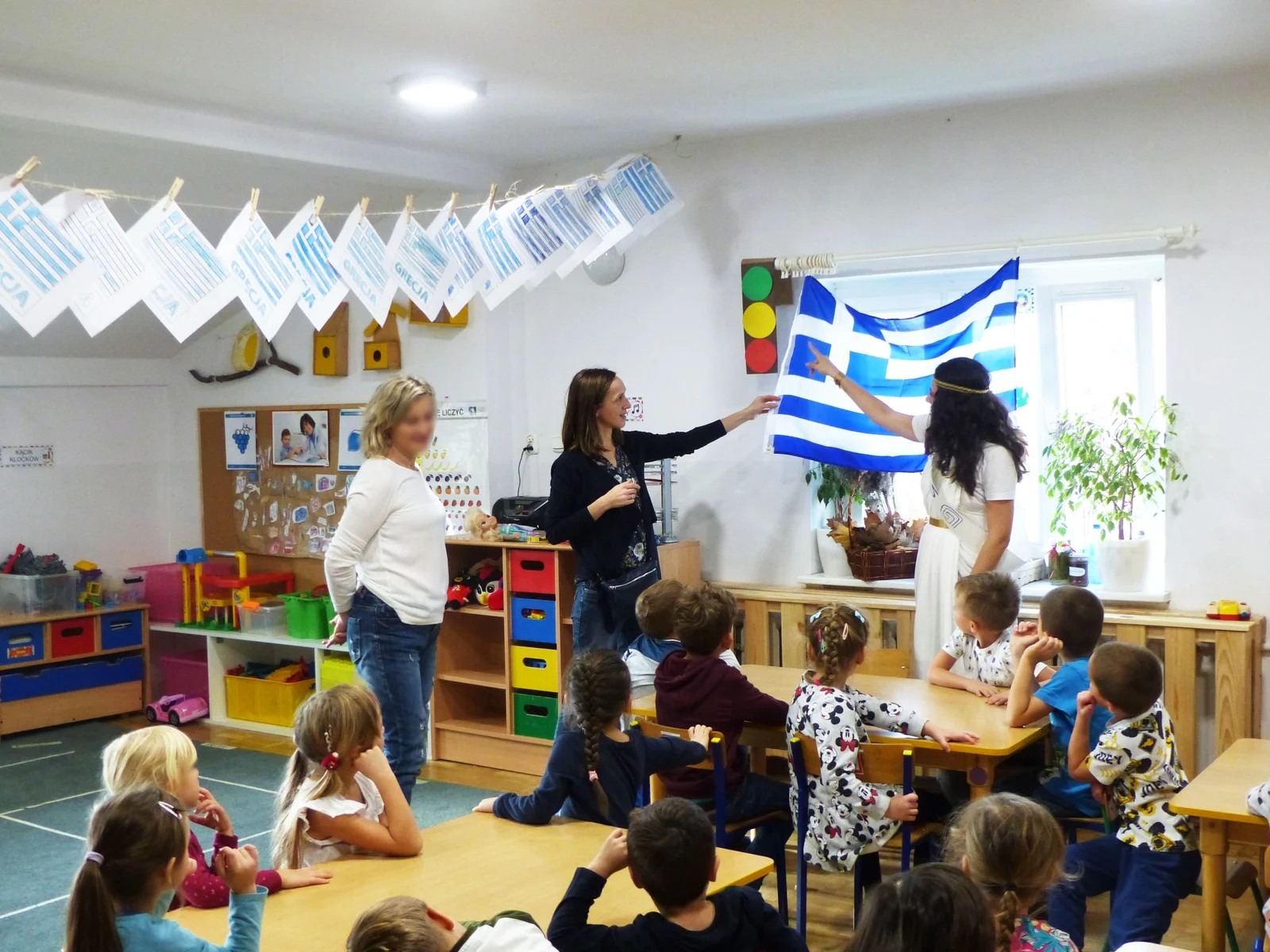
Our local partner works in partnership with more than 14 educational institutions in Wroclaw. The cooperation started as a small project in 2015, with only one kindergarten involved, and the positive experience they all had made it grow. Thanks to this project, children and teachers can be in contact with people from other cultures, and all participants can improve their intercultural communication skills. Host institutions learn new methods of non-formal education and gain a more direct approach to children. Volunteers have the chance to see the daily dynamics of a school and have a better understanding of a teacher’s job. They learn about the needs and development stage of the children according to their age.
Currently, our local partner is recruiting seven volunteers to work in public kindergartens in Wroclaw. This is a great opportunity for individuals passionate about making a difference and contributing to meaningful integration projects. Our local partner welcomes aboard people who are active and creative. If you are interested in psychology, social work and pedagogy, recent problems of the Roma community and are eager to help, this is your possibility to join us. We are looking for people who are interested in working with youth, children, minorities, are friendly and responsible. If you are looking for a change and an unforgettable experience, we are happy to welcome you in our team.
💼 What the programme involves
Our partner's project consists of breaking cultural and social barriers through cultural exchange with children and the local community. Volunteers will be responsible for supporting teachers and assisting children in daily activities, running fun and engaging activities about their culture. Our local partner is open to host volunteers with fewer opportunities (disabilities, economic, geographical and cultural obstacles).
Volunteering hours are 35 hours per week (6 hours per day in host organization and 5 extra hours per week for planning activities for local events) that promote the project and the European Solidarity Corps.
Responsibilities of the volunteers :
- taking part in Polish casses throughout the volunteering mobility (twice a week, 4 school hours) ;
- supporting the teacher with managing the group of children in a safe manner in the classroom and outside (on trips, in the playground) ;
- supporting young children in self-help activities like helping in dressing up, feeding, leading the child by the hand somewhere if needed etc.) ;
- presenting their country and culture to children and teachers by running workshops, creating visual aids, dances and other activities ;
- engaging in and supporting events in the hosting organization (for example : Christmas party, Children's Day, Mother's Day and Dad's Day, etc.) ;
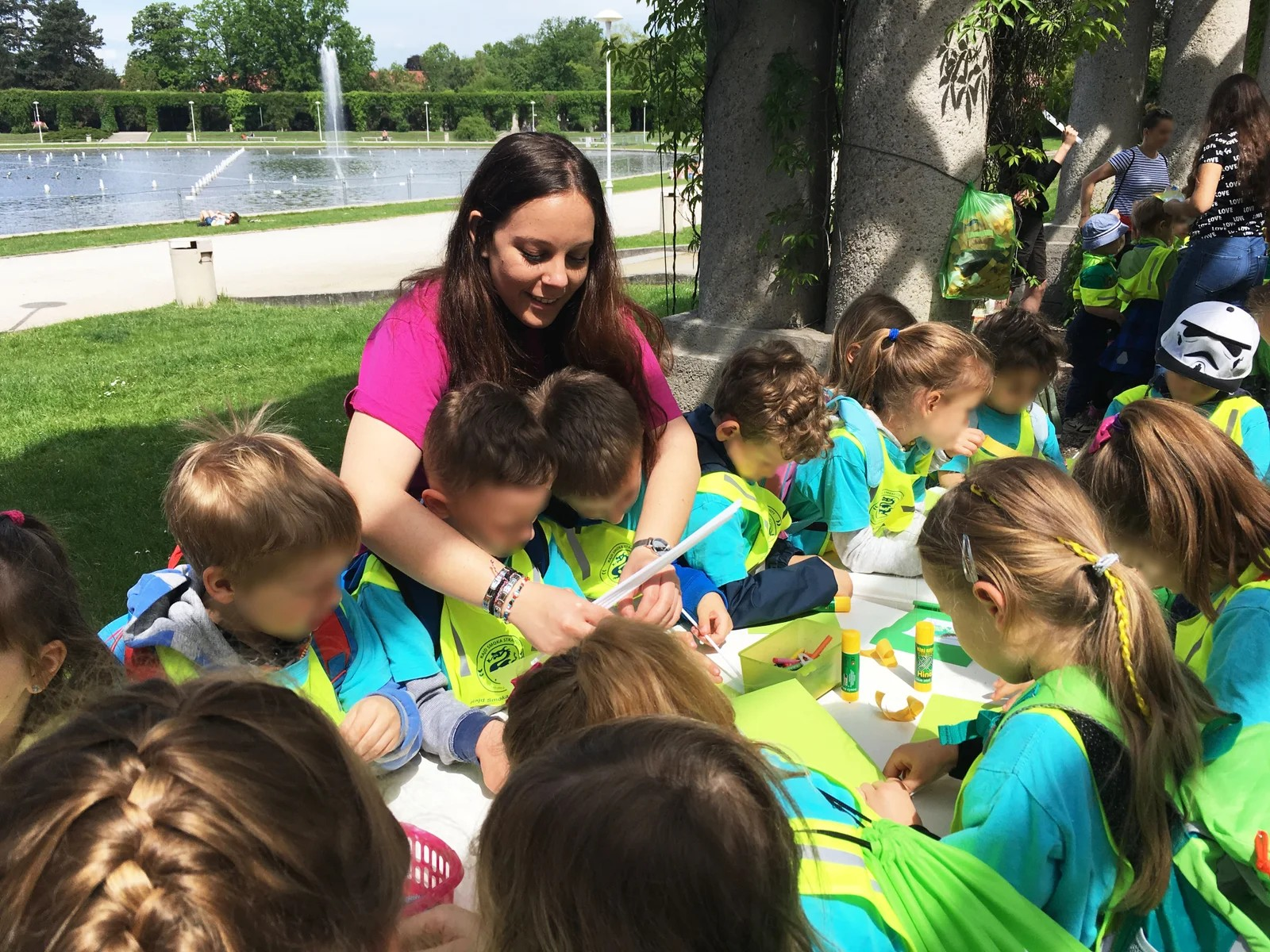
- creating and supporting arts and crafts workshops according to interest and skills / different art techniques, clay, paper-maché (paper pulp), salt dough etc. ;
- creating workshops according to their interests (ecological, dance, art, drawing, playing musical instruments, theatre, etc.) ;
- running language activities for children (teach their native language or English) for example, teach children simple phrases, games, songs, poems, counting, and days of the week. This can be a part of an everyday routine not only during special activities ;
- making teaching aids for classes according to the participant's ideas and according to the suggestions of other teachers ;
- helping to improve the kindergarten's aesthetics by making decorations for special occasions and decorating rooms and corridors independently and together with staff ;
- proprosing and organizing activities promoting the project and its results (for example, keeping a wall newspaper about ESC in the kindergarten hall with pictures, news about workshops, writing a blog, reports, doing picture documentation) ;
- participating in 4 out of 10 events outside the host organization to promote the project and the European Solidarity Corps (for example, local festivals, picnics).
During the first week, volunteers will take part in training with a project coordinator. They will learn about volunteering work and flat rules, methods of working with children, safety rules, EU health insurance and a complimentary insurance, receive a basic useful Polish language vocabulary book, and participate in fun team-building activities. Obligatory on-Arrival and Mid-Term training will take place in the beginning and then in the middle of the project. Polish classes will last for 2-3 months at least and participation is required. Support of a mentor throughout the netire project and support of a special mentor and additional support (for example, psychologist) for volunteers who experience obstacles in their lives (health issues, geographic, social, educational, economic obstacles).
🏠 Accommodation on site
Volunteers will be accommodated in double rooms in a flat shared with other volunteers (about 5 people in one flat). The kitchen and bathroom are shared with flatmates. Flats have internet access, basic kitchen equipment, clean towels and bedding sets.
🍲 Food
Breakfast and/or lunch will be provided by the host organization. The volunteers will receive food money (approximately 129 USD to buy basic food and to cook at home, not to go to restaurants).
The city of Wroclaw boasts a diverse culinary scene that reflects its rich cultural heritage and influences from various regions. Traditional Polish cuisine takes center stage, featuring hearty dishes made with locally sourced ingredients. Pierogi, or Polish dumplings, are a beloved specialty, filled with savory ingredients such as potatoes, cheese, meat, or cabbage. Another iconic dish is żurek, a sour rye soup often served with sausage and hard-boiled eggs. Bigos, a flavorful stew made with sauerkraut, meat, and mushrooms, is a comforting and hearty option enjoyed by locals and visitors alike.
Wroclaw is also known for its delicious street food offerings, including grilled sausages, kebabs, and zapiekanka, a type of open-faced sandwich topped with cheese, mushrooms, and other toppings. For the volunteers with a sweet tooth, traditional Polish desserts like sernik (cheesecake) and makowiec (poppy seed cake) are popular choices. Volunteers can also indulge in artisanal chocolates, pastries, and ice cream from local bakeries and confectioneries.
📍 About the location
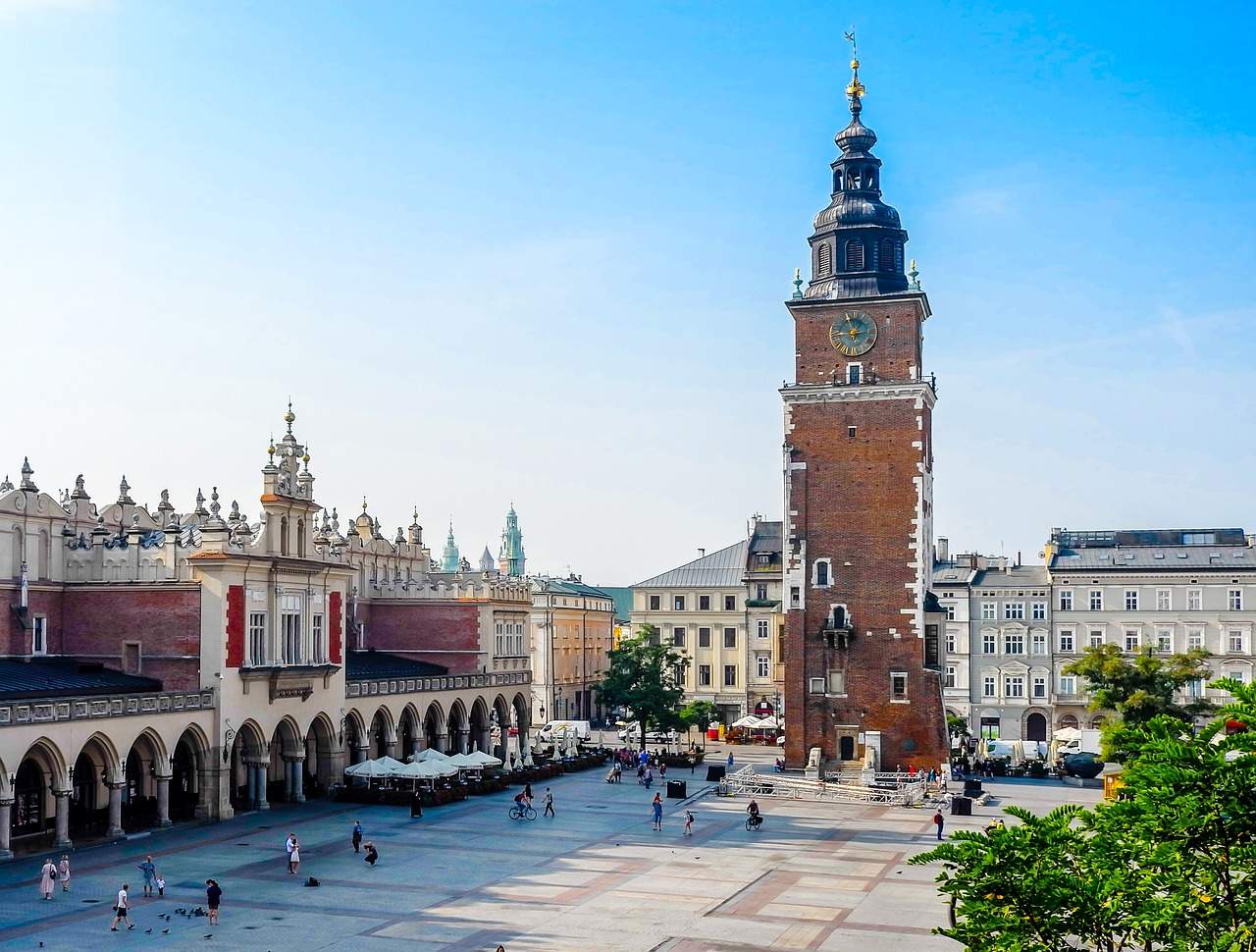
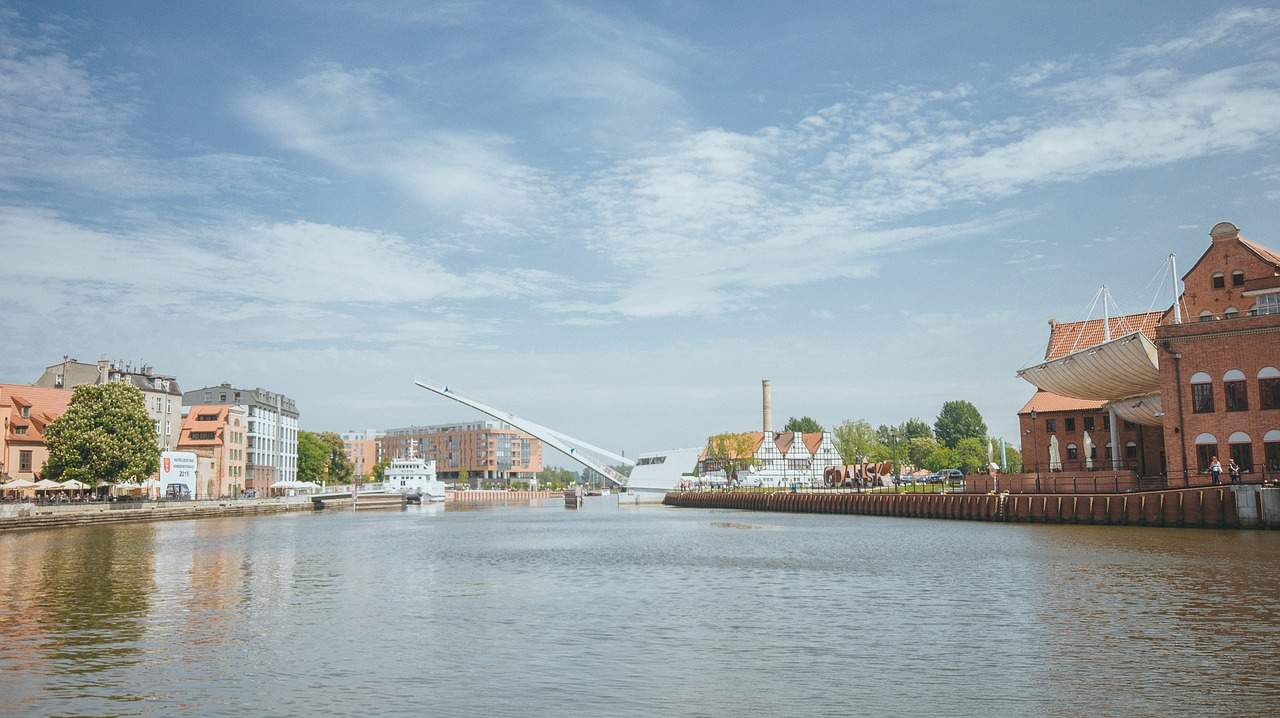
Wroclaw, in Poland, is a vibrant city steeped in history and culture. Situated on the Oder River in western Poland, Wroclaw is known for its picturesque architecture, lively market squares, and charming cobblestone streets. The city boasts a rich cultural heritage, with a blend of Polish, German, and Bohemian influences evident in its diverse architecture and cuisine. Wroclaw's Old Town, with its colorful buildings and Gothic architecture, is a UNESCO World Heritage Site and a popular destination for tourists. Overall, Wroclaw is a dynamic and welcoming city, offering visitors a unique blend of history, culture, and modern amenities.
🎒 Leisure activities
Wroclaw offers a rich and diverse experience, with something for everyone, whether it's exploring the city's history and culture, enjoying its lively nightlife, or relaxing outdoors. For the volunteers who prefer outdoor activities, the picturesque parks and the banks of the Oder River provide opportunities for relaxation and recreation. Cyclists and walkers can also enjoy the city's many bike paths and hiking trails.The city also offers a vibrant nightlife, with plenty of bars, clubs, and restaurants where one can sample delicious local cuisine and experience the city's dynamic music scene. History buffs can delve into the many medieval buildings and remnants of the Renaissance era, while art enthusiasts will appreciate the numerous art galleries and stunning street art scattered throughout the city. The city is brimming with historical and cultural sites to explore, such as the magnificent Market Square, the impressive St. John's Cathedral, and Cathedral Island, home to numerous fascinating museums.
⚠️ Requirements
Volunteers aged between 18 and 30 are eligible to participate in this volunteering project, provided they have not previously completed a long-term European Voluntary Service or European Solidarity Corps project. Our local partner seeks individuals who enjoy working with children and are willing to teach or improve their skills in this area. They should be comfortable with large groups, willing to undergo a medical check-up (mandatory for working with children), and demonstrate responsibility, reliability, and motivation to spend six months abroad.
Additionally, volunteers should be open to learning and embracing new cultures, personalities, and ways of life. Basic knowledge of Polish, creativity, friendliness, flexibility, and helpfulness are desirable traits. Proficiency in communicative English is required, particularly for volunteers working in schools. Prior experience with children, such as scouting or babysitting, is preferred, and volunteers must have a clean criminal record (relevant documentation will be requested by our local partner).
Furthermore, volunteers should be prepared to actively engage with the local community and promote the project. They should possess good interpersonal skills, basic knowledge of child development, and an understanding of the needs of primary and preschool children. Interests in sports, arts, dancing, theatre, circus tricks, or music would be advantageous, as these activities are highly valued by children. Manual and computer skills will be useful in assisting teachers, and strong organizational skills are essential for planning and leading activities and supporting important events.
Participation in various community events, such as picnics, festivals, conferences, and workshops, is expected, with volunteers sharing their ESC experiences with the local community.
🤝 Meeting point
The meeting point will be communicated in the information sheet.
ℹ️ Additional information
The volunteers will receive a monthly allowance comprising pocket money (approximately 168 USD), and a local transportation card for buses and trams. Medical examinations required to work with children in Poland will be covered by the project. Additionally, travel expenses to Wroclaw and back will be reimbursed based on the distance calculated by the ESC program.
The project is implemented under the European Solidarity Corps Programme, financed by the European Commission.
The participating organisations have to be mindful of these needs as they are responsible for providing a respectful and trusting hosting environment. At the same time, the organisations participating in the initiative devote a great deal of time, energy and resources to set up a high-quality activity; they should therefore expect that European Solidarity Corps participants show a similar level of respect for the local communities and the people that are directly concerned by the activities (https://youth.europa.eu/solidarity/mission_en).
What do we provide ?
- training before and after the project ;
- health insurance during your project ;
- round-trip travel reimbursement ;
- accommodation and food ;
- pocket money ;
- language course ;
- return Week-end ;
- Youth Pass and SVI international Volunteer passport.
Before applying for this volunteering project, you need to enroll yourself at European Solidarity Corps Platform (https://europa.eu/youth/solidarity_en) and specify yor European Solidarity Corps Participant Number (PRN).
This organisation holds a European Solidarity Corps Quality Label.
Contact the ESC coordinator at +32 2 888 67 13 to get more informations.
Interested in this project? Create your account and apply online.
Sign in to apply📷 Project photos
📅 Available sessions
ESC-OPNITY01
01/09/2024 at 00:00 → 28/02/2025 at 00:00
ℹ️ Key information
Age required
18–30 years old
Solidarity donation
0.00
French tax residents may be eligible for a tax reduction of up to 66% of their costs (membership, plane tickets, solidarity donation).
📍 Location
Wrocław, Poland
Poland
🌍 Location info
Local currency
Poland Zloty (PLN / zł)
Exchange rate
1 PLN = 0.228363 EUR
Rate as of 31/05/2026
Timezone
Central European Summer Time
Local time: 21:25 (12/11/2026)
🛡️ Before you leave
✅ Features
🏠 Accommodation
🗣️ Languages spoken