📝 Detailed information
🏢 About the local organisation
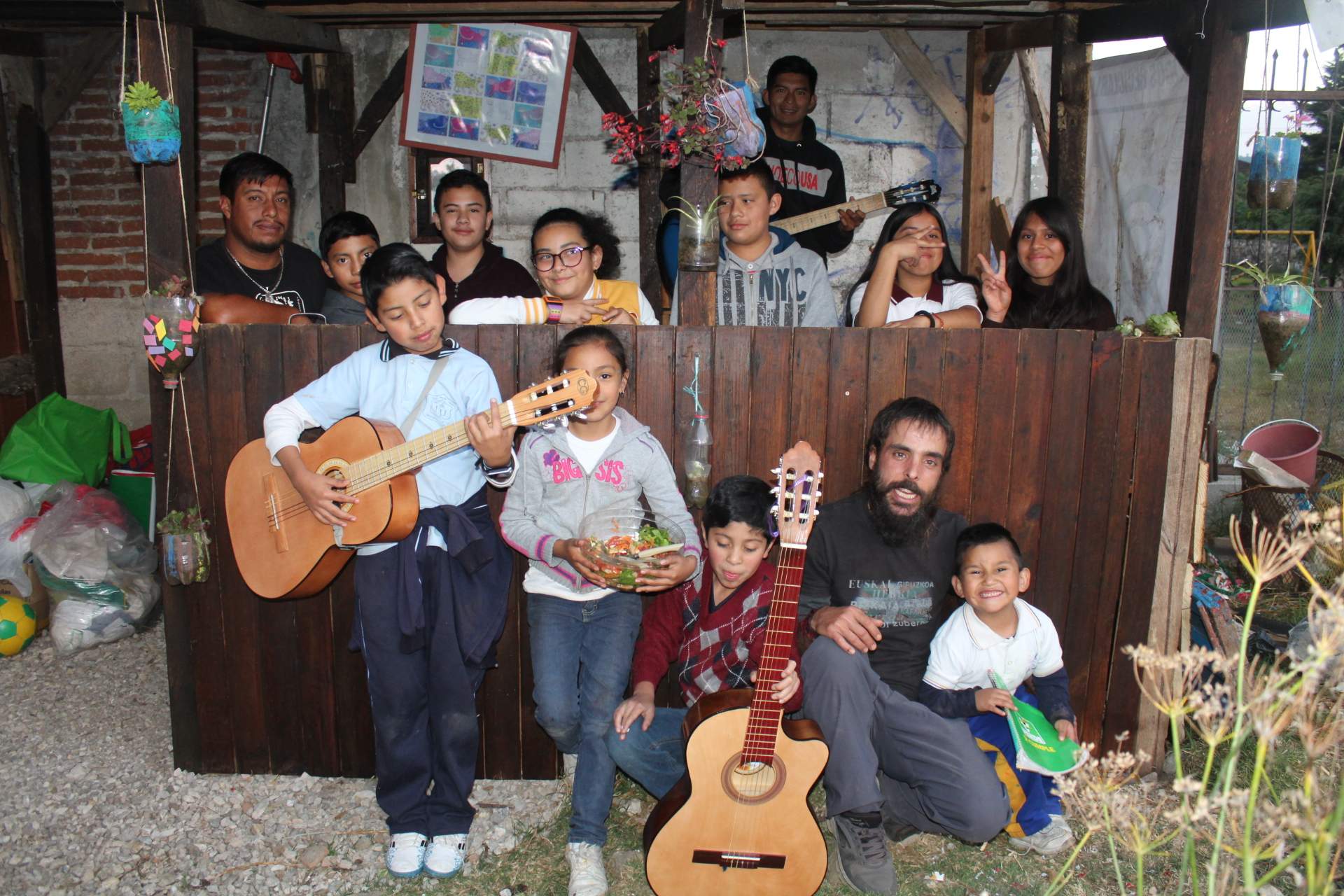
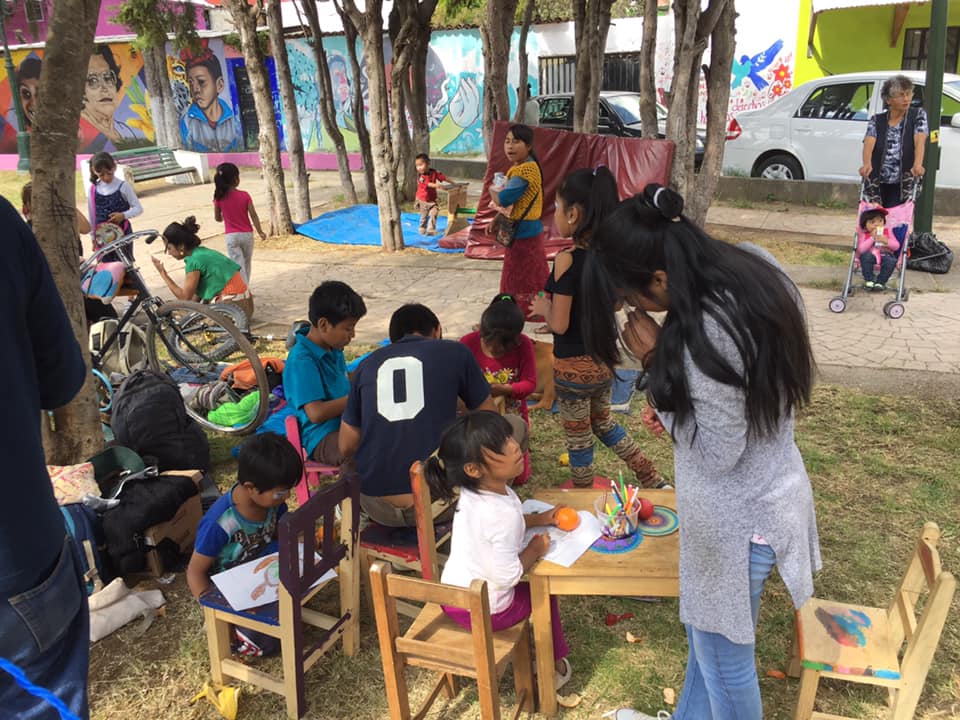
Colectivo Plan Bioma aims to open spaces for citizen participation and, at the same time, create spaces where young people and children can develop their artistic, social and educational skills.
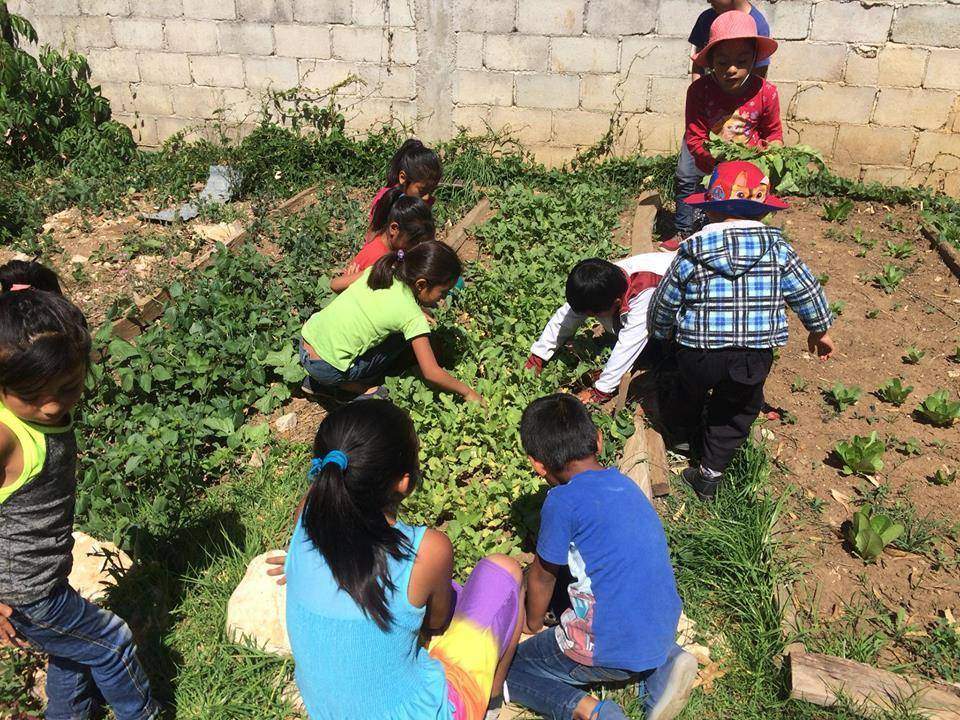
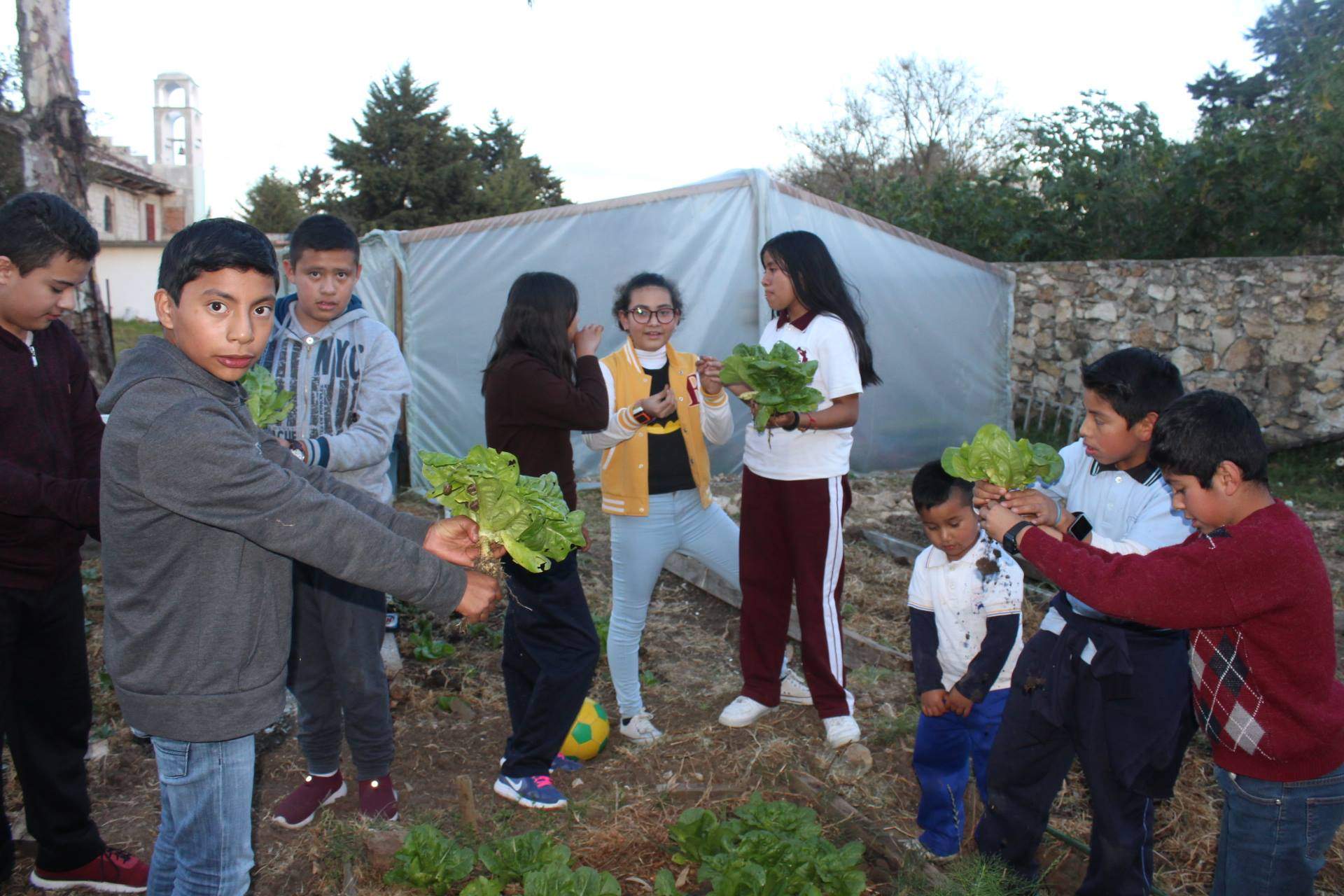
The community garden of the Tlaxcala district aims to create a space for children and young people that allows them to recognize themselves and their surroundings through culture and art. Potentially, it represents an important point for parents and adults, in general, to get involved in the cultural education of children and young people through their participation and support in the various activities organized and encouraged by the members of the collective. In addition, it serves as a space in which there is support outside the school for neighborhood children and surrounding neighborhoods to receive regularization classes in music, agroecology, mathematics, literacy and languages.
💼 What the programme involves
During the summer volunteers will be involved in the development of community activities working with children and young people who attend this period. Music workshops, agroecology, theater, radio pods and social photography will be offered with the aim of encouraging their artistic and social skills, promoting respect for the environment, respect for cultural differences, solidarity, respect for others, etc., through non-formal education. We invite volunteers to prepare themselves with songs, dynamics and ideas that can contribute positively to the development of our activities.
🏠 Accommodation on site
The accommodation will be in shared rooms in the volunteers’ house. Meals will be prepared by the volunteers.
📍 About the location
San Cristóbal de las Casas is a town and municipality located in the Central Highlands region of the Mexican state of Chiapas. It was the capital of the state until 1892, and is still considered the cultural capital of Chiapas.
The municipality is mostly made up of mountainous terrain, but the city sits in a small valley surrounded by hills. The city’s center maintains its Spanish colonial layout and much of its architecture, with red tile roofs, cobblestone streets and wrought iron balconies often with flowers. Most of the city’s economy is based on commerce, services and tourism.
Tourism is based on the city’s history, culture and indigenous population, although the tourism itself has affected the city, giving it foreign elements. Major landmarks of the city include the Cathedral, the Santo Domingo church with its large open air crafts market and the Casa Na Bolom museum. The municipality has suffered severe deforestation, but it has natural attractions such as caves and rivers.
ℹ️ Additional information
2800 pesos (130 euros) to be covered upon arrival. Includes accommodation, meals and coordination costs