Gedi Ruins Kipepeo Butterfly Project
Code: 4376093a-d507-11ef-9ba5-fa163ef8d720 Copied
About the project
Gedi Ruins Kipepeo Butterfly Project
📝 Detailed information
🏢 About the local organisation
Back Ground
The Kipepeo Butterfly project is based at Gede Ruins national Monument about 18km south of Malindi. Communities participating in the project, by raising butterfly pupae for export, live on margins of the forest. About 872 farmers are directly involved in breeding. These breeders have been clustered in 26 groups. Kipepeo has a staff of 9 based at the Centre supported by Kenyan and foreign volunteers from time to time, kipepeo is a Swahili word simply means Butterfly.Arabuko Sokoke Forest is of internationally recognized importance (ranked second in Africa for birds) because of its endemic and endangered species of birds (six species) and mammals (three species). It is surrounded by a rapidly growing rural population that is hard pressed for land, jobs and income sources, and suffers much from damage to crops and livelihood caused by forest wildlife. The long-term future of the Forest depends crucially on the support of the local community and their leaders and politicians for its conservation.
The Kipepeo Project was first set up with a grant of US$ 50,000 given by the UNDP Global Environmental Facility NGO Small Grants Program in June 1993. The project is managed and administered by staff seconded from National Museums of Kenya.
Kipepeo Project is peoples’ livelihood- biodiversity conservation initiative of the NMK which is undertaken with strong partnerships with relevant state and non-state agencies including Kenya Forest Service (KFS), Kenya Wildlife Service (KWS), Kenya Forest Research Institute (KEFRI) and Nature Kenya. Kipepeo markets butterflies and other nature-based products both locally and internationally for local communities’ livelihood and conservation purposes. Its main objective is to help develop positive attitudes among local people towards conservation of the Arabuko Sokoke Forest. This initiative has significantly helped reduce the threats faced by the forest from unsustainable use by local communities seeking out a living to meet their basic needs.
Communities participating in the Project, by raising butterfly pupae for export, live on the margins of the Forest. The pupa produced by the breeders is delivered to the Kipepeo main office which is located at Gedi ruins for export. Kipepeo project also runs a live Butterfly exhibit and providing a showcase for the Project in the Visitors' Center. The butterfly exhibition and training facility at Gede provides live butterfly and other nature based products for display to visitors.
Beekeeping is the science and art of rearing bees. It is important to keep bees for the production of honey and other bee products e.g., beeswax, propolis, pollen (bee bread), royal jelly and bee venom; Honey used for food, medicine and income. Beekeeping is also important for pollination and recreational activities. The honeybees provide pollination services, thereby playing a vital role in food security and overall agricultural productivity.
The farmers produced two types of honey depending on the location. The mainland (terrestrial) forest and the Mangrove forest. The beekeepers are over 5000 individuals who eke a living through the sale of honey and other bee products. Kipepeo does value addition thus produces quality honeys that have been approved by several recognized standard institution. The honey is packaged in 500gm and 250gram jam jars.
The project affects indirectly over 50 000 people in 50 villages around Arabuko Sokoke. They have been organized into 26 community groups whose representatives interact with the project management through regular meeting where production, marketing and welfare issues are discussed. The project staff also visits members in the various villages on regular field visits.
💼 What the programme involves
ESSENTIAL DUTIES AND RESPONSIBILITIES
Conservation and development through the sustainable utilization of butterfly biodiversity in Arabuko Sokoke Forest.
Support for the conservation of the Forest.
To help to demonstrate that the Forest can provide new and unexpected income sources
To help to diversify coastal tourism by establishing a novel eco-tourist attraction through the development of an exhibit of live butterflies and other invertebrates of the coastal forests.
To support conservation education activities relating to Arabuko-Sokoke Forest and protection preservation of Gedi Ruins Monument.
Conflict resolution between wild life and human who cultivate around the forest
biodiversity conservation initiative of the NMK which is undertaken with strong partnerships with relevant state and non-state agencies including Kenya Forest Service (KFS), Kenya Wildlife Service (KWS), Kenya Forest Research Institute (KEFRI) and Nature Kenya.
Volunteer will help in marketing Kipepeo butterflies and other nature-based products both locally and internationally for local communities’ livelihood and conservation purposes.
Volunteers will help in community awareness, develop positive attitudes among local people towards conservation of the Arabuko Sokoke Forest.
Communities, local people and volunteers will participate in the Project, by raising butterfly pupae
Volunteers will be helping Kipepeo project also in running a live Butterfly exhibit and providing a showcase for the Project in the Visitors' Center.
Volunteers will also help with butterfly exhibition and training facility at Gede Ruins
🏠 Accommodation on site
Accommodation: Accommodation to the host family, There is electricity, tap water
🍲 Food
during your stay on this project food will be provided by your host family, volunteer will be provided with three meals a day Break fast Lunch and Dinner, food will be prepared by host by the help of volunteers most of foods are locally made and fresh produced
📍 About the location
This project is located in watamu Kilifi County, Coastal Kenya
🎒 Leisure activities
LEISURE TIME Most of our free time will be spent sharing culture and friendship with local community members and the other volunteers on the project, visiting places as planned with volunteers and the camp team leader. There will be an opportunity to visit different places like Mombasa, Beaches and historical sites such as fort Jesus, and participate in other community activities.
⚠️ Requirements
you'll need to meet certain requirements, including age, health, and attitude. You'll also need a passport and visa to enter the
1,Age: You must be at least 18 years old, or the age required by your program
2,Language: You should be able to speak at least basic English, or the language required by your program.
3,Passport: You'll need a valid passport to enter Kenya
4,Visa: You'll need a Single Entry Visa or tourist visa to volunteer in Kenya
5,Travel insurance: You'll need to have travel and health insurance
6,Background check: You may need to provide a criminal background check report
7,vaccinations: You may need to get certain vaccinations before entering Kenya
8,Training: You may need to participate in training provided by your organization
9,You should also be open-minded, flexible, and patient, and willing to step outside your comfort zone
10,Above 18 years of age (If you are below 18 years you need written consent from a guardian)
11,A positive attitude towards independent progress of others.
12,A willingness to adapt to local conditions.
🤝 Meeting point
Day 1: Arrival and pick up from the Jomo Kenyatta International Airport, in Nairobi, Kenya and transfer to host family home or hostel.
Day 2: Morning: registration and start of orientation. About 4 hours lecture at the home of your host. Topics covered during orientation lecture will include East African culture, history, customs, politics, geography, and necessary health precautions, and various other topics, such as the diversity of Kenyan life. Afternoon is free for exploring rural Kenyan life and getting to know your host family.
Orientation will begin in the morning of the 14th August 2025 at ACoH offices, you will be picked up from accommodation and taken to the orientation will be conducted by ACoH staff in Nairobi and cover everything you need to know about your project placement. Introduction to Kenya mijikenda, mijikenda customs, language and expectations, safety, travel opportunities in Kenya, introduction to your project and placement. The orientation will also give you a chance to meet other volunteers and swap contact details for socializing. Once orientation is complete, volunteers will travel to the project with two staff from ACoH Office and meet other local volunteers at the project site.ORIENTATION
ℹ️ Additional information
Additional requirements
1,Some programs may have additional requirements, such as a registration fee or program fee
2,Medical volunteers may need to provide college enrollment documents
3,Volunteers working with children may need to provide a criminal background check report
Participation fee: 450 Euros per person (3 weeks) The project fee or extra fee includes Airport Pick up, Airport Transfer, Food 3 meals a day Breakfast Dinner Lunch, Accommodation and Host, Transport From Nairobi to the Project And Back to Nairobi after the project, City Tour, Orientation, 2 days host in Nairobi on the arrival and end of the project and 24 hours Agape Centre Of Hope Office Support and project monitoring.
This Project Run All Round the Year is Open for Applications All times.
Interested in this project? Create your account and apply online.
Sign in to apply📷 Project photos
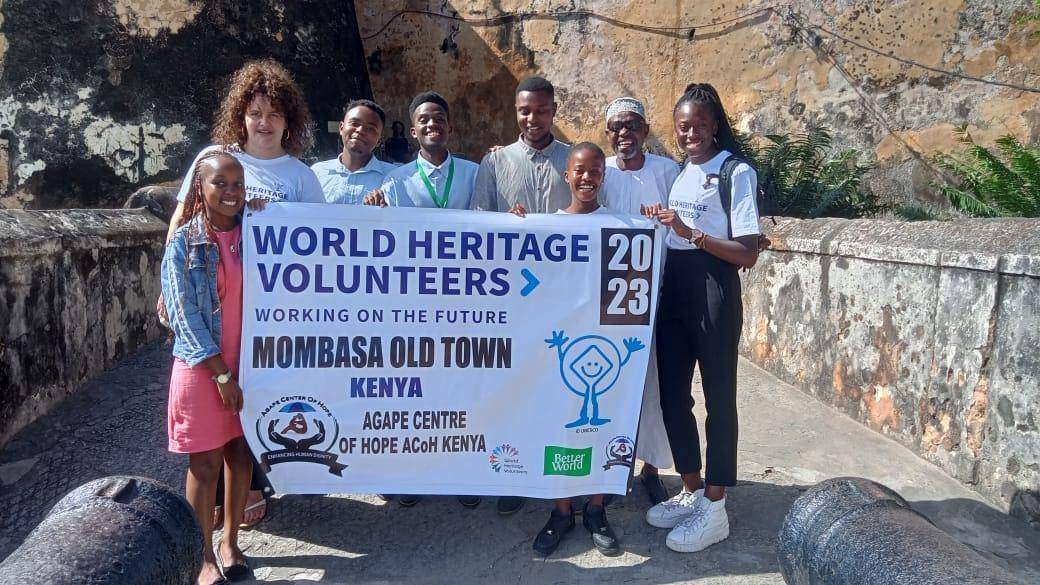
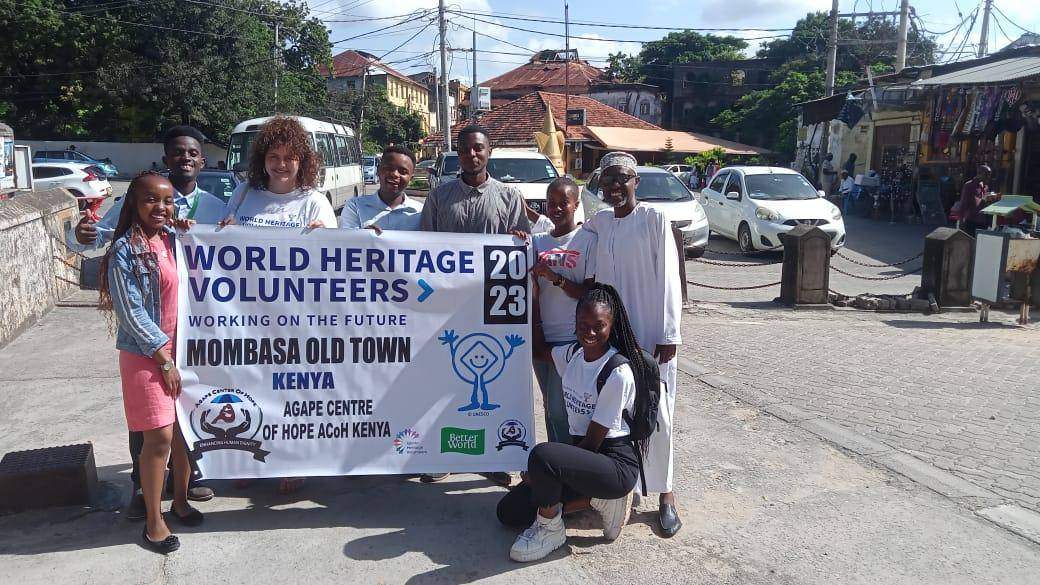
📅 Available sessions
ACoH 08 /04
15/08/2025 at 00:00 → 04/09/2025 at 00:00
ℹ️ Key information
Age required
18–99 years old
Solidarity donation
400.00 EUR
French tax residents may be eligible for a tax reduction of up to 66% of their costs (membership, plane tickets, solidarity donation).
📍 Location
Watamu, Kenya
Kenya
🌍 Location info
Local currency
Kenyan Shilling (KES / KSh)
Exchange rate
1 KES = 0.006892 EUR
Rate as of 31/05/2026
Timezone
East Africa Time
Local time: 21:28 (12/11/2026)
🛡️ Before you leave
✅ Features
🏠 Accommodation
🗣️ Languages spoken