Global Voluntary Service to Stop Climate Change in Japan
Code: cf860638-1d12-11ef-aae3-fa163ef8d720 Copied
About the project
Global Voluntary Service to Stop Climate Change in Japan
📝 Detailed information
🏢 About the local organisation
Our local partner was founded on the 4th of February 1990 by 7 youths who had participated in volunteer workcamps abroad. In September 1990, the first international workcamp was held in Japan at the foot of the Mt. Fuji. Our partner has been growing rapidly as we rise to the challenge of meeting the ever-increasing needs from communities for targeted projects and motivated volunteers.
The SCC project provides an opportunity for volunteers to actively contribute to combating climate change and creating tangible impacts. Volunteers will engage in collective efforts, develop organizing skills, and receive a Green Volunteer certificate. If volunteers are motivated to learn from and contribute to addressing climate change, this project offers an ideal platform for their involvement.
To amplify the impact on carbon reduction and enhance volunteerism and Non-Governmental Organizations management, our local partner initiated the SCC project with support from the UPS Foundation, NLAPO, and Mitsubishi UFJ Foundation. With the involvement of international and local volunteers, significant progress has been made, including the reduction of 160.5 tons of CO2 through tree planting and other initiatives.
The increasing global carbon emissions, which have risen from 21 billion tons in 1990 to 34 billion in 2015, pose a significant threat to our planet. Despite efforts from various individuals and organizations, the damage to our landscape, forests, biodiversity, food production, water supply, and overall human security continues to worsen. To prevent further escalation and limit the global temperature increase to within 1.5 degrees Celsius, collaborative efforts among countries, stakeholders, organizations, and individuals are essential.
💼 What the programme involves
This project is actively working towards SDG 13 (Climate Action) and SDG 15 (Life on Land). It has been organized in collaboration with NAP (Nobel Application of Plant resources) since 1992 and as part of the SCC (Stop Climate Change) projects initiated by our local partner with NVDA (Asian Network) since 2016. NAP is a local Non-Profit Organization dedicated to recovering natural ecosystem cycles.
Minamata, which once experienced severe industrial pollution, is now completely safe and clean. However, like many other parts of Japan, bamboo trees, originally introduced from China, have spread uncontrollably, damaging the local ecosystem. Additionally, beaches often accumulate a lot of rubbish, but when cleaned, they are rich in seafood such as oysters and sea urchins. Efforts to rehabilitate seaweed forests have been ongoing for several years.
The workcamp, which had been halted due to COVID-19, was finally revived in 2020 through this project. The outcome of the 2019 workcamp included contributions from 4 LMTVs from 4 countries and 6 STVs from 5 countries, who, together with local people, maintained 1 hectare of bamboo forest, produced 541 kg of charcoal, and reduced CO2 emissions by 1.1 tons.
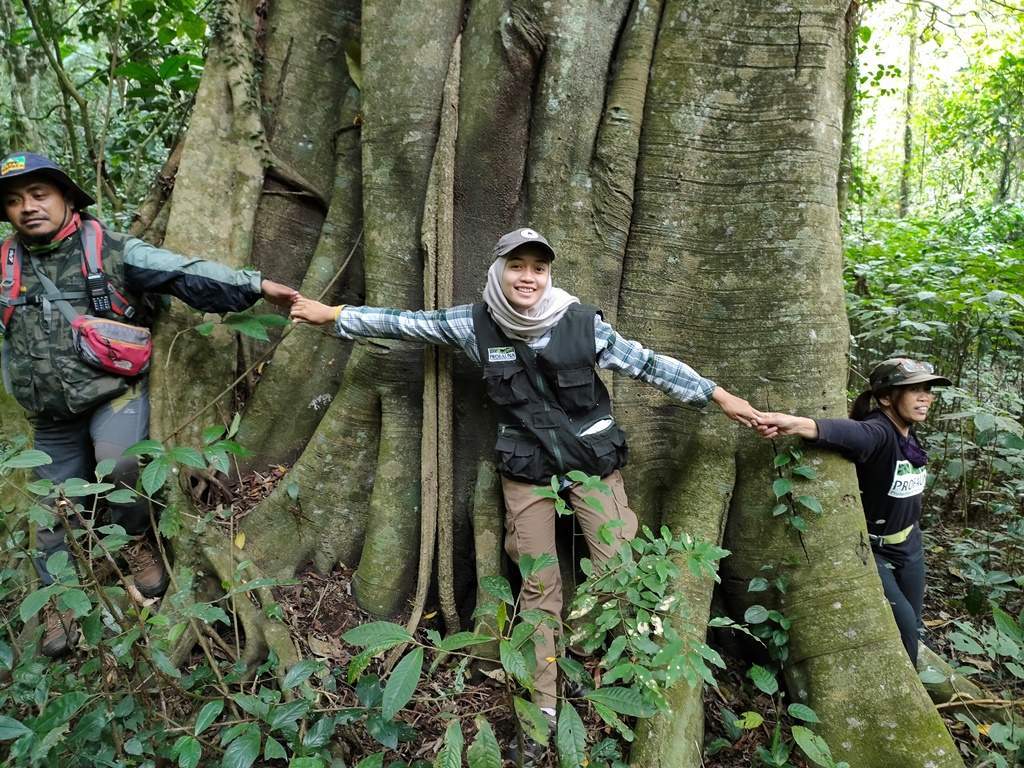
Volunteers will primarily trim bamboo trees, which helps increase the overall carbon sequestration in the forest, and produce bamboo charcoal to be used as fuel in a carbon offset project. Additionally, volunteers will assist in running marine environmental education programs for local middle school students. They will also help with traditional cultural workshops, including activities such as making paper from natural materials and weaving, which will provide them with a unique cultural experience.
Objectives:
- enhance local and global environmental conditions by actively participating in tree planting initiatives, promoting sustainable practices, and reducing carbon emissions ;
- foster global friendship, solidarity, and networking among Non-Governmental Organizations and volunteers through collaborative efforts in environmental conservation projects ;
- facilitate personal development opportunities for both volunteers and local community members by providing training, skill-building workshops, and empowerment programs for Non-Governmental Organizations.
🏠 Accommodation on site
Volunteers will be accommodated in the house of the local coordinator. Meals will be cooked by the volunteers themselves. A sleeping bag is not needed for this accommodation.
📍 About the location
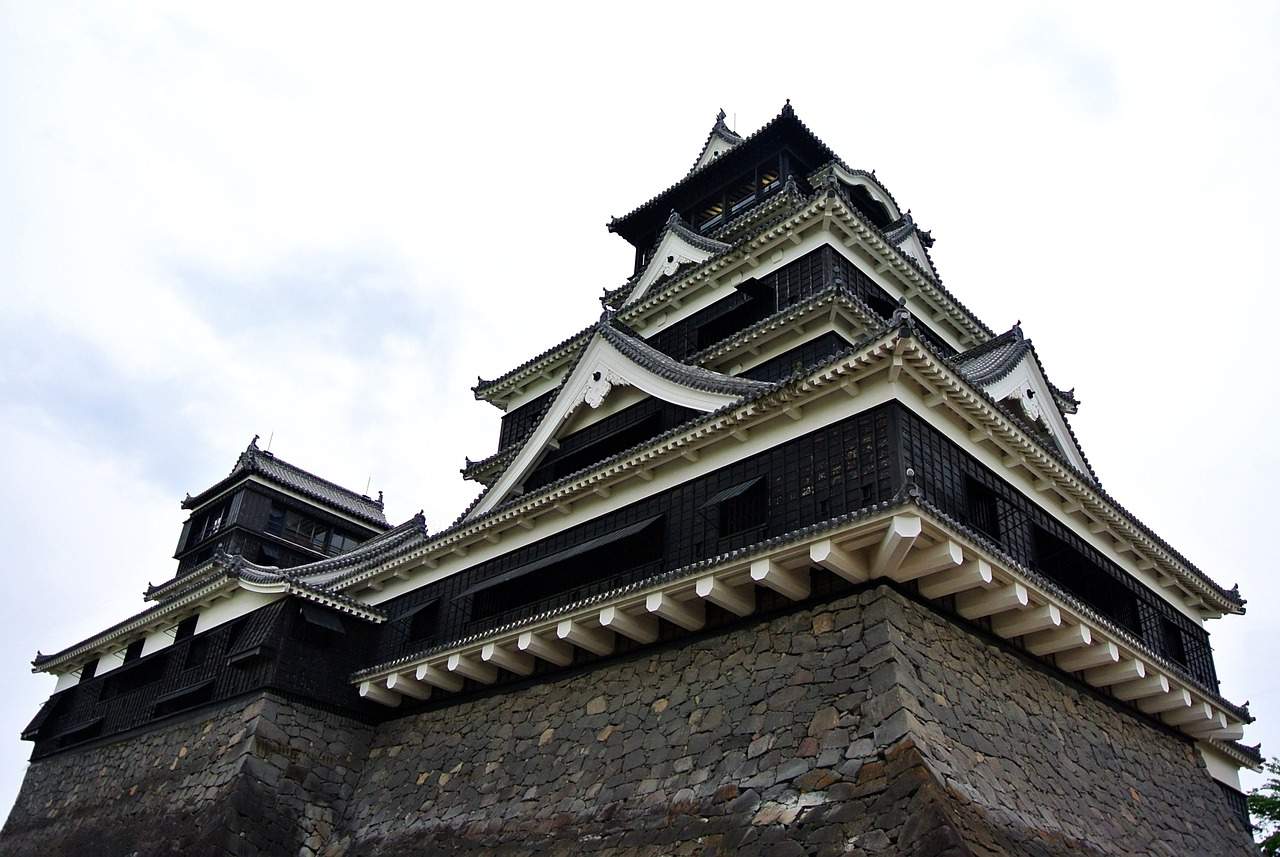
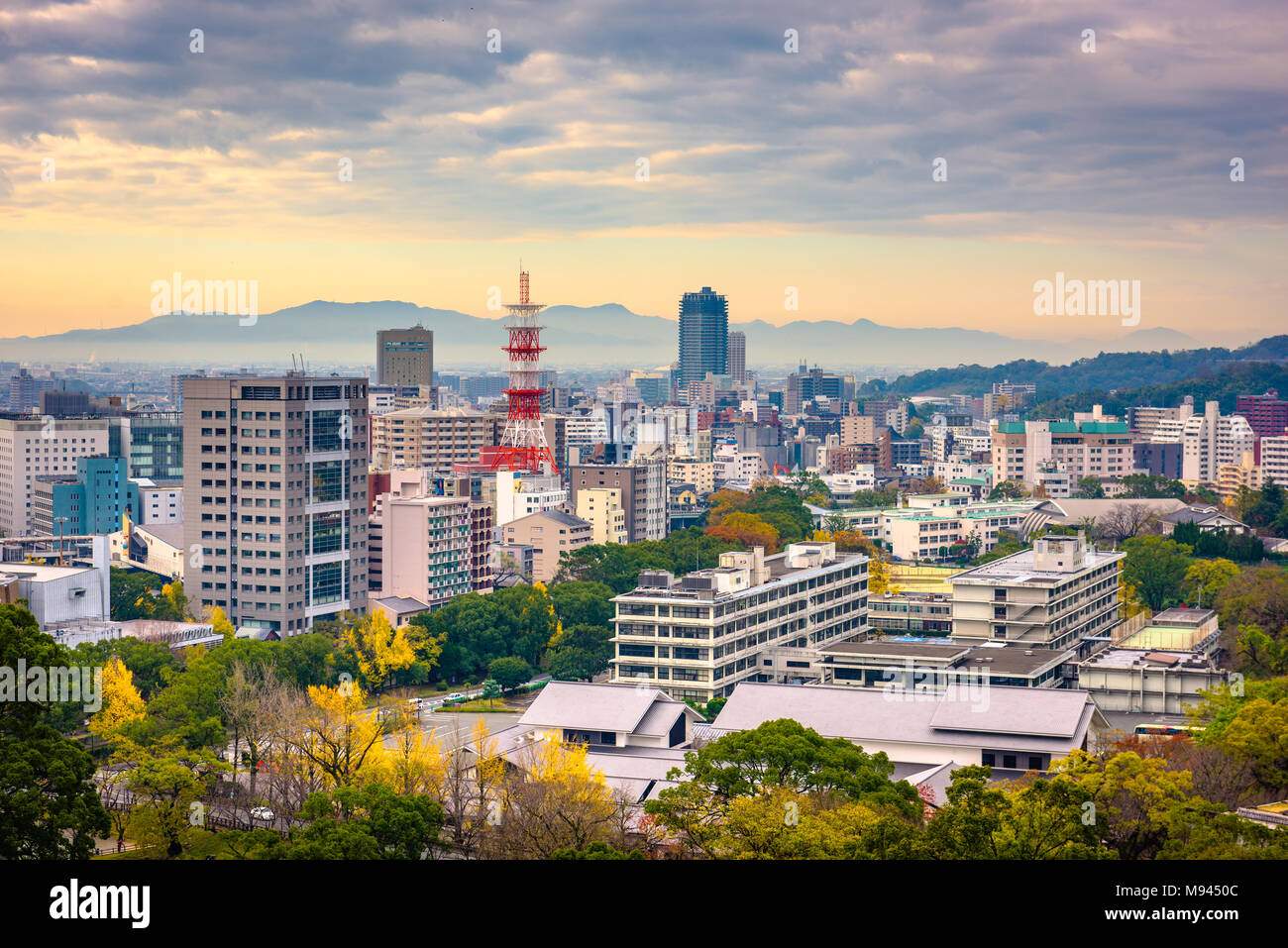
The area is known for a significant public pollution incident involving mercury that occurred over 60 years ago. Located in southern Kumamoto prefecture on Kyushu island, it features a beautiful semi-closed sea and mountainous terrain with several villages that strongly preserve traditional culture. The region is also famous for its many mandarin farms, and the local onions are reputed to be so sweet that they can be eaten like an apple.
🎒 Leisure activities
Volunteers will have the opportunity to engage in discussions about Minamata Disease with local people and experienced individuals. Activities include visiting the Minamata Disease Museum, participating in excursions, exchange parties, sports, and other events. This will provide a comprehensive understanding of the historical context and the ongoing impact of Minamata Disease, while also fostering cultural exchange and community engagement.
⚠️ Requirements
Volunteers must be able to ride a bicycle and have a strong interest in environmental issues and related activities. Participation in this volunteering project requires volunteers to be at least 18 years old, with no maximum age limit. They should be fully motivated, autonomous, active, flexible, adaptable, responsible, cooperative, constructive, courageous, and open-minded. Proficiency in English, the common language used during the project, is necessary. While knowledge of the local Japanese language is not required, volunteers are encouraged to try learning it to communicate with locals during their stay. Previous experience with IVS projects related to the environment or LMTV is not mandatory, nor is experience in leading workcamps, carbon offset projects, or crowdfunding efforts, but they are welcomed and appreciated. These attributes will contribute positively to the volunteer experience and the success of the project.
🤝 Meeting point
The nearest international airport terminal is Kagoshima (2 hours by bus and train to the project site).
ℹ️ Additional information
The participation fee is 118 USD, which is 33% reduced from the normal LMTV fee. This fee must be paid in advance by credit card or PayPal. Additionally, the fee needs to be paid by credit card or PayPal upon arrival. Volunteers are responsible for covering their own travel costs.
Interested in this project? Create your account and apply online.
Sign in to apply📷 Project photos
📅 Available sessions
NICE-SCC
10/11/2024 at 12:00 → 25/12/2024 at 00:00
JAPSCC-01
17/11/2024 at 11:00 → 30/11/2024 at 00:00
ℹ️ Key information
Age required
16–99 years old
Solidarity donation
18000.00 JPY ≈ 102 EUR
French tax residents may be eligible for a tax reduction of up to 66% of their costs (membership, plane tickets, solidarity donation).
📍 Location
Kumamoto, Japan
Japan
🌍 Location info
Local currency
Japan Yen (JPY / ¥)
Exchange rate
1 JPY = 0.005641 EUR
Rate as of 31/05/2026
Timezone
Japan Standard Time
Local time: 21:52 (12/11/2026)
🛡️ Before you leave
✅ Features
🏠 Accommodation
🗣️ Languages spoken