📝 Detailed information
🏢 About the local organisation
Open Houses is a non-profit network whose work dates back to the mid-1980s, when voluntary initiatives began restoring historic buildings in East Germany and gradually developed into an international programme of workcamps and building projects at heritage sites. Its work is rooted in the idea of opening historic places as spaces for common responsibility, intercultural exchange, and non-commercial encounter.The organisation supports the revitalisation and long-term care of historic buildings and cultural landscapes through volunteer engagement, focusing on everyday maintenance, small-scale renovation, and community-based use of heritage sites. Rather than acting as a sole operator, Open Houses works as an initiator and facilitator, cooperating with site owners, local actors, and partner organisations.At Lohra Castle, Open Houses coordinates volunteer-based site care and ensures that the castle remains a living place for cultural activities, educational initiatives, and international exchange. The organisation provides overall project coordination, accommodation, work supervision, and group support throughout the workcamp.
💼 What the programme involves
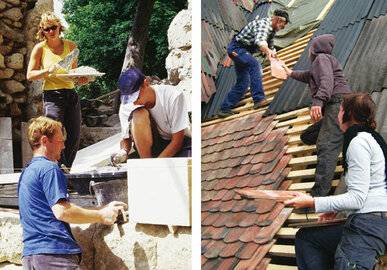
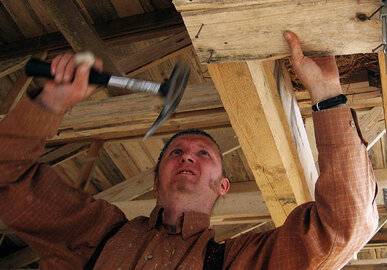
Volunteers will take part in seasonal maintenance and site care activities that support the everyday functioning and long-term preservation of Lohra Castle and its surrounding grounds. The work focuses on keeping the historic ensemble and its open spaces accessible, safe, and well maintained throughout the year.Depending on the season, tasks may include clearing leaves and organic material from paths and courtyards, maintaining open spaces around the castle buildings, preparing and stacking firewood for winter heating, assisting with basic upkeep of fences and outdoor furniture, and supporting the cleaning and maintenance of communal halls and shared facilities.Although the project ds not involve technical heritage conservation, the work plays an essential role in sustainable heritage management. Through their contribution, volunteers support the continued use of the castle for cultural, educational, and community activities, whose income is reinvested into conservation and restoration programmes.
🏠 Accommodation on site
Volunteers will be accommodated in small historic service buildings within the castle complex, in shared rooms with simple but adequate facilities. Rooms are arranged for 2(5 people. Showers and toilets are available, with limited hot water. The overall living conditions are basic, reflecting the historic character of the site.A fully equipped communal kitchen is located in a separate historic building near the accommodation. Meals are prepared collectively as part of community life, and each participant will be involved in cooking during the stay. Volunteers are encouraged to bring recipes from their home countries to share food traditions with the group.Accommodation and food during the project are provided by the hosting organisation. Any participation fees charged by sending organisations are not transferred to the host and remain with the sending organisation.
📍 About the location
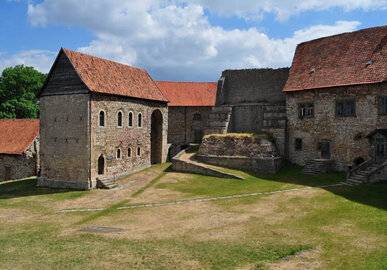
Lohra Castle is located in northern Thuringia, close to the Harz low mountain range, in a rural area characterised by forests, hills, and protected natural landscapes. The castle has medieval origins dating back to the 11th century and developed over several centuries from a fortified complex into a mixed residential and agricultural ensemble. Notable features include a Romanesque double-floored chapel from the 12th century, traces of medieval fortifications and towers, a Renaissance-era manor house, and later farm buildings from the 19th and early 20th centuries. After decades of abandonment, the site has been gradually revitalised since the 1990s and today functions as a place for cultural activities, education, and volunteer-based site care.The next small towns are Bleicherode (approx. 6 km) and Nordhausen (approx. 20 km). The castle stands slightly above the surrounding villages and is reached via a forest road and walking paths.The workcamp takes place in a quiet, countryside setting. Volunteers should not expect urban leisure infrastructure, but rather a nature-oriented environment and simple village surroundings. In their free time, participants can go for walks or hikes in the protected natural area, relax at the castle, or organise informal group activities such as games, music evenings, campfires, or shared cooking.Depending on the groups interests, short excursions to nearby towns or cultural sites can be organised together during the stay.
ℹ️ Additional information
Volunteers should be motivated to take part in physically active outdoor work and be prepared for simple living conditions in a rural environment. Flexibility, a cooperative attitude, and willingness to participate in everyday community tasks (such as cooking and cleaning) are essential.The work takes place in all weather conditions, including rain and cooler days. Participants should bring appropriate clothing and sturdy work shs.The project is suitable for volunteers who are interested in heritage, nature, and community life, and who are open to intercultural exchange. Previous experience is not required.