Kakamega Rain Forest Project
Code: d22612e4-6d60-11ec-abc4-fa163ef8d720 Copied
About the project
Kakamega Rain Forest Project
📝 Detailed information
🏢 About the local organisation
Kakamega Forest is a tropical rainforest situated in the Kakamega and Kisumu Counties of Kenya, northwest of the capital Nairobi, and near to the border with Uganda. It is Kenya's only tropical rainforest and is said to be Kenya's last remnant of the ancient Guineo-Congolian rainforest that once spanned the continent.
The forest including reserves encloses about 238 square kilometres, a little less than half of which currently remains as indigenous forest. The forest is elevated at predominantly between 1500 m and 1600 m above sea level. In the north of the forest is the 4,468 hectares (45 km2; 17 sq mi) Kakamega National Reserve, given national forest reserve status in 1985.[1] Just to the north is the Kisere Forest Reserve. Throughout the forest are a series of grassy glades, ranging in size from about 1 to 50, with a few larger clearings. The origins of the glades are uncertain. Some are certainly recent clearings, but others predate recent records. These may have originated from past human activity such as cattle grazing or may be the result of herbivory and movements by large mammals such as buffalo and elephants (both now extirpated from the region). The glades vary a great deal in structure, some being open grass and others having a considerable number of trees or shrubs. A number of streams and small creeks run through the reserve. The larger creeks are usually bordered by a few to tens of meters of forest on either side which divide the glades, while the smallest creeks flow through open grasslands, often forming small marshy patches.
Climate
The Kakamega Rain Forest is very wet, with an average of 1200 mm – 1700 mm of rain per year. Rainfall is heaviest in April and May ("long rains"), with a slightly drier June and a second peak roughly in August to September ("short rains"). January and February are the driest months. Temperature is fairly constant throughout the year, ranging between 20c - 30c.
Biodiversity
Flora found in the park include some of Africa's greatest hard and soft woods: Elgon teak, red and white stinkwood and several varieties of croton and aniageria altisima. There are 380 recorded species of plants. This includes 60 species of ferns, 150 species of trees and shrubs, and 170 species of flowering plants including 60 species of orchids with 9 species found only in this forest.
The forest is famous for its birds, bird species have been recorded in the forest such as the West African Great blue turaco and black-and-white-casqued hornbill. At least 9 birds are not found anywhere else.
Wildlife that occur in the park include bush pig, duikers, bushbuck, African clawless otter, mongoose, giant African water shrew, squirrels, tree pangolin, porcupine, bats and a variety of primates including the blue monkey, retail monkey, De Brazza's monkey, baboon, potto and the occasional vervet monkey. Leopards have been occasionally reported, but the last official sighting was in 1991.
Insects are abundant and some are quite spectacular, such as Goliath beetles, pink and green flower mantis, and numerous colourful butterflies (489 species). Particularly well represented groups are ants (Formicidae), Lepidopterans, Orthopterans, and beetles. Gastropods, millipedes and spiders are also common.
The flora and fauna of Kakamega Forest has not been extensively studied.
💼 What the programme involves
Making tree nursery beds and maintaining the tree nursery facilities.
Plant care to maintain the habitat of the butterflies, cleaning the facility, cultivating butterflies in the butterfly farms.
Building the traditional houses known as ''Simba'' with the local community.
Accumulating, preparing and process the necessary natural materials for maintaining the forest.
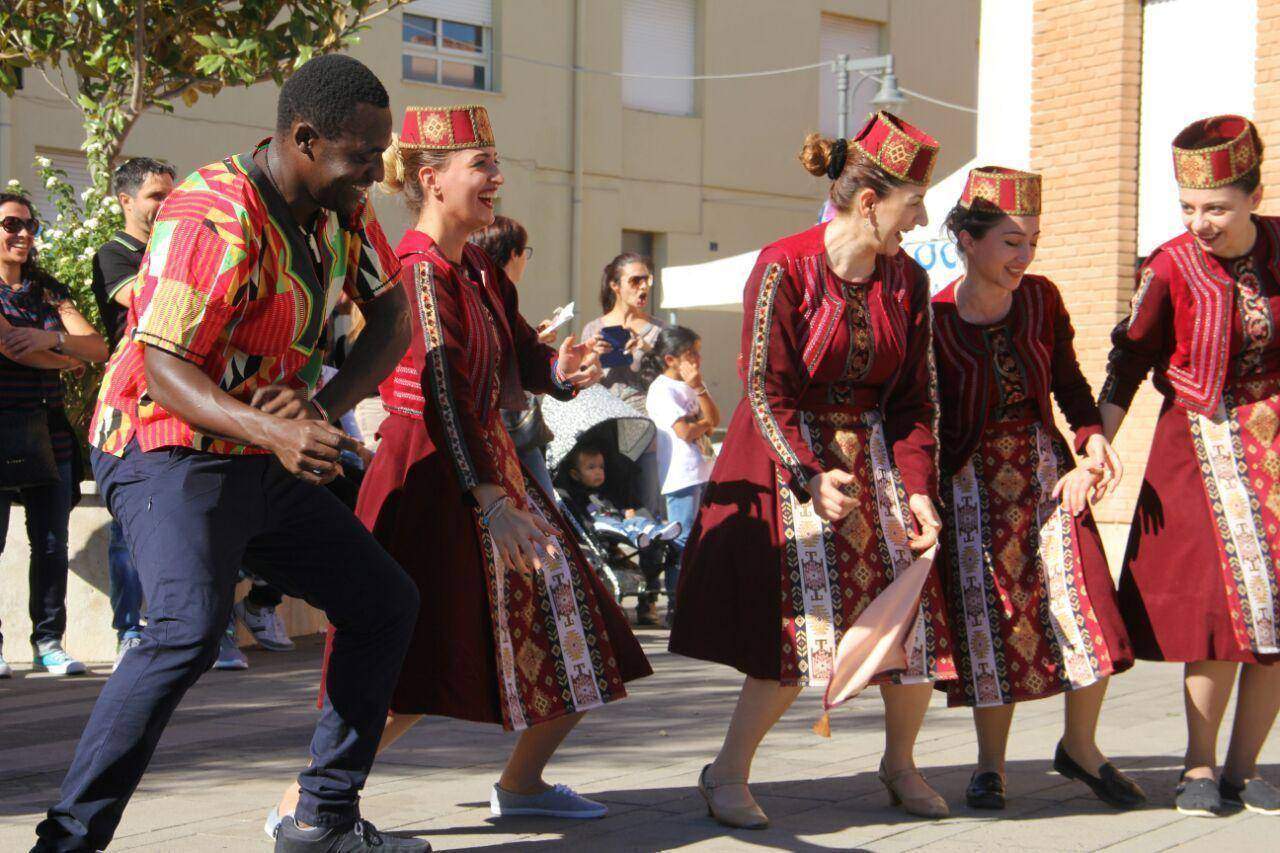
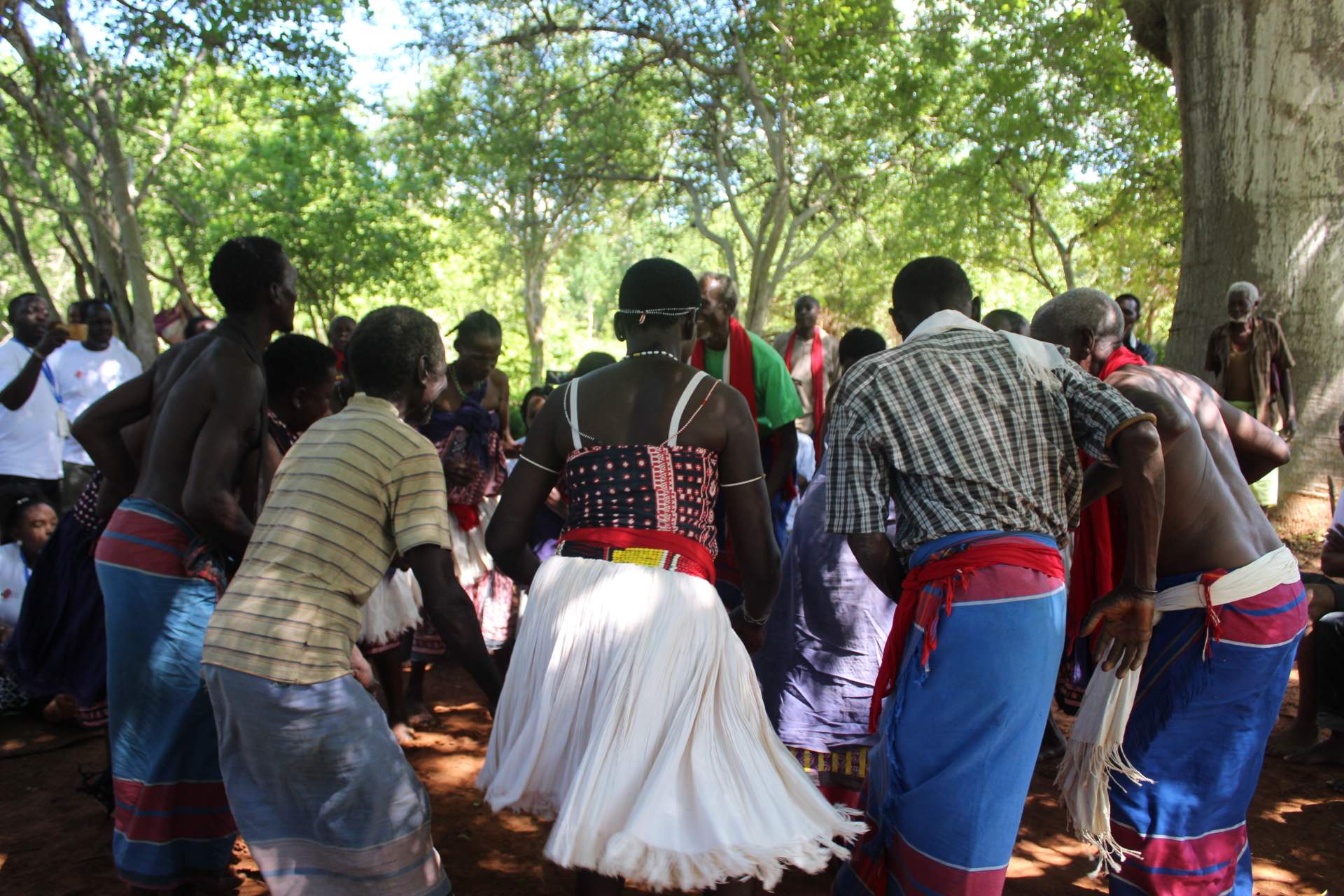
Isukuti dance and sports competition between the locals and the volunteers.
Physical education & Fitness, Playing the drums, Singing
Watering and watching after the trees, clearing of weeds, Digging holes, fencing of the tree nursery
Logging and cutting trees, preparing the site, assemble the scaffold, prepare the wall material, filling the scaffold, fetching water from the river.
Teaching and playing with the kids through school visits in the local schools.
🏠 Accommodation on site
Volunteers will stay with local hosts. Accommodations are very simple, there is running water, and meals will be prepared by volunteers and sometimes the hosts will cook. Beds and Mattresses will be provided. Volunteer to carry; mosquito nets, sleeping bag, a pillow and water purifying tablets.
🎒 Leisure activities
The Southern part of Kakamega forest, Isecheno Forest station run by the Kenya Forest Service is the most accessible in Tourism. There is the well-known Mama Mtere tree, a historic tree and the most photographed tree in Kakamega forest, there are also strangler fig trees.
There are hiking trails in the forest that allow for forest walking, camping, hiking, primate watching, bird and butterfly watching, game watching and village walks. The Kakamega Rainforest Tour Guides (KRFTG) can arrange tours to visit the weeping stone (Crying stone) at Ilesi, located along the Kakamega-Kisumu road, or Kisere Forest to see the De-brazes monkey in the north of Kakamega. Also bird watching, morning 6:30 am – 8:30 am is fantastic walk or evening 4:30 pm – 6:30 pm.
🤝 Meeting point
ARRIVAL TERMINAL
Jomo Kenyatta International Airport
Orientation will begin in the morning of the 3rd March 2022 at KVSO offices and you will be picked up from the accommodation precincts and taken to the orientation place which will be conducted by KVSO staff in Nairobi and cover everything you need to know about your project placement. Introduction to Kenya and Luhya Land, luhya customs, language training (Kiswahili and Kiluhya), routes and expectations, safety, travel opportunities in Kenya, introduction to your project and placement. The orientation will also give you a chance to meet other volunteers and swap contact details for weekend travel and socializing.
ℹ️ Additional information
300€ (Monthly) which includes project work, housing, all Meals, transport from the airport and to the project site, and 24 hours on side staff support.
Interested in this project? Create your account and apply online.
Sign in to apply📷 Project photos
📅 Available sessions
KVSO 02/01
04/03/2023 at 00:00 → 26/08/2023 at 00:00
KVSO MLTV 02/01
04/03/2022 → 26/08/2022
ℹ️ Key information
Age required
18–99 years old
Solidarity donation
300.00 EUR
French tax residents may be eligible for a tax reduction of up to 66% of their costs (membership, plane tickets, solidarity donation).
📍 Location
Kenya
Kenya
🌍 Location info
Local currency
Kenyan Shilling (KES / KSh)
Exchange rate
1 KES = 0.006892 EUR
Rate as of 31/05/2026
Timezone
East Africa Time
Local time: 21:03 (12/11/2026)
🛡️ Before you leave
✅ Features
🏠 Accommodation
🗣️ Languages spoken