KAKAMEGA TROPICAL RAIN FOREST, SPECIES CONSERVATION AND CLIMATE PROTECTION
Code: 7f968df7-de0b-11ef-9ba5-fa163ef8d720 Copied
About the project
KAKAMEGA TROPICAL RAIN FOREST, SPECIES CONSERVATION AND CLIMATE PROTECTION
📝 Detailed information
🏢 About the local organisation
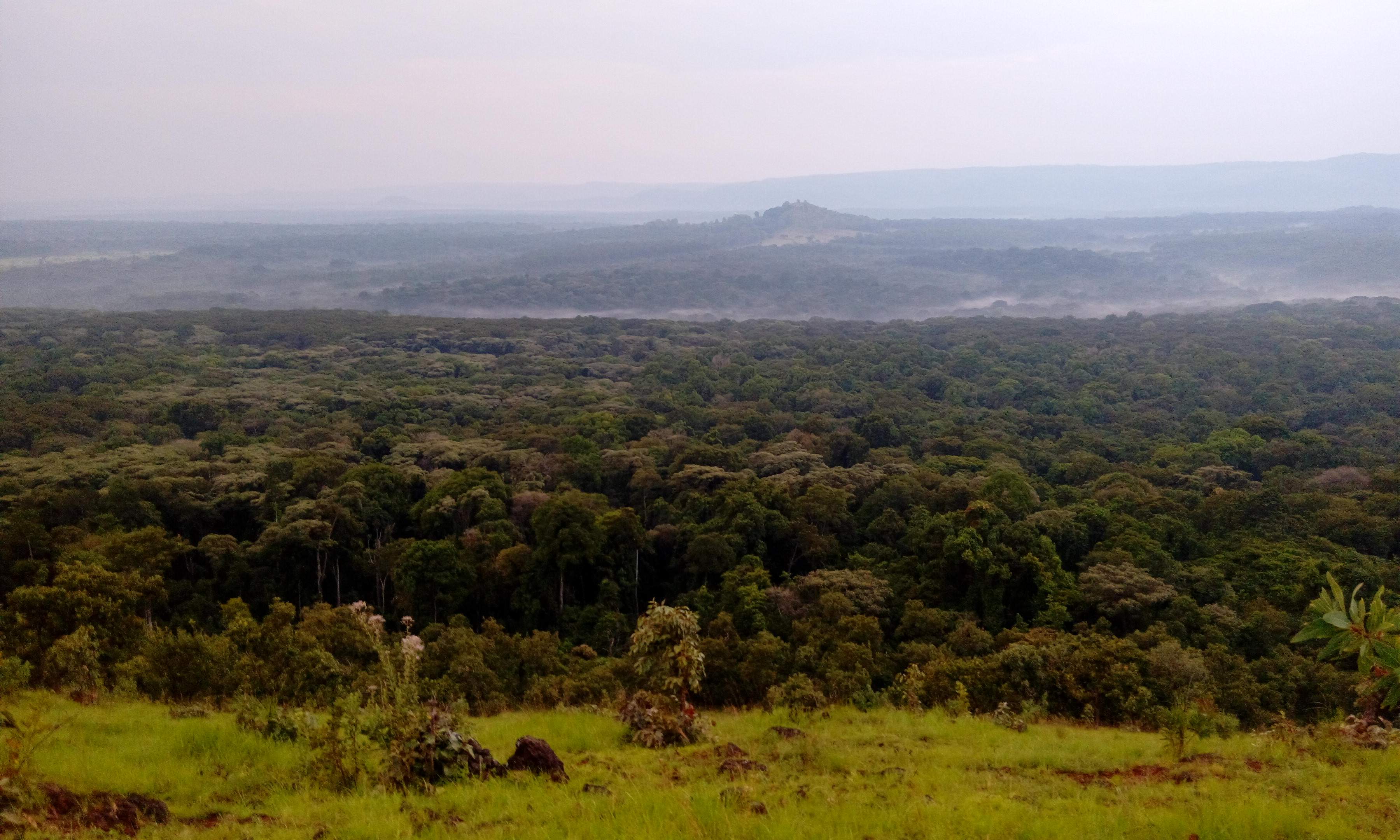
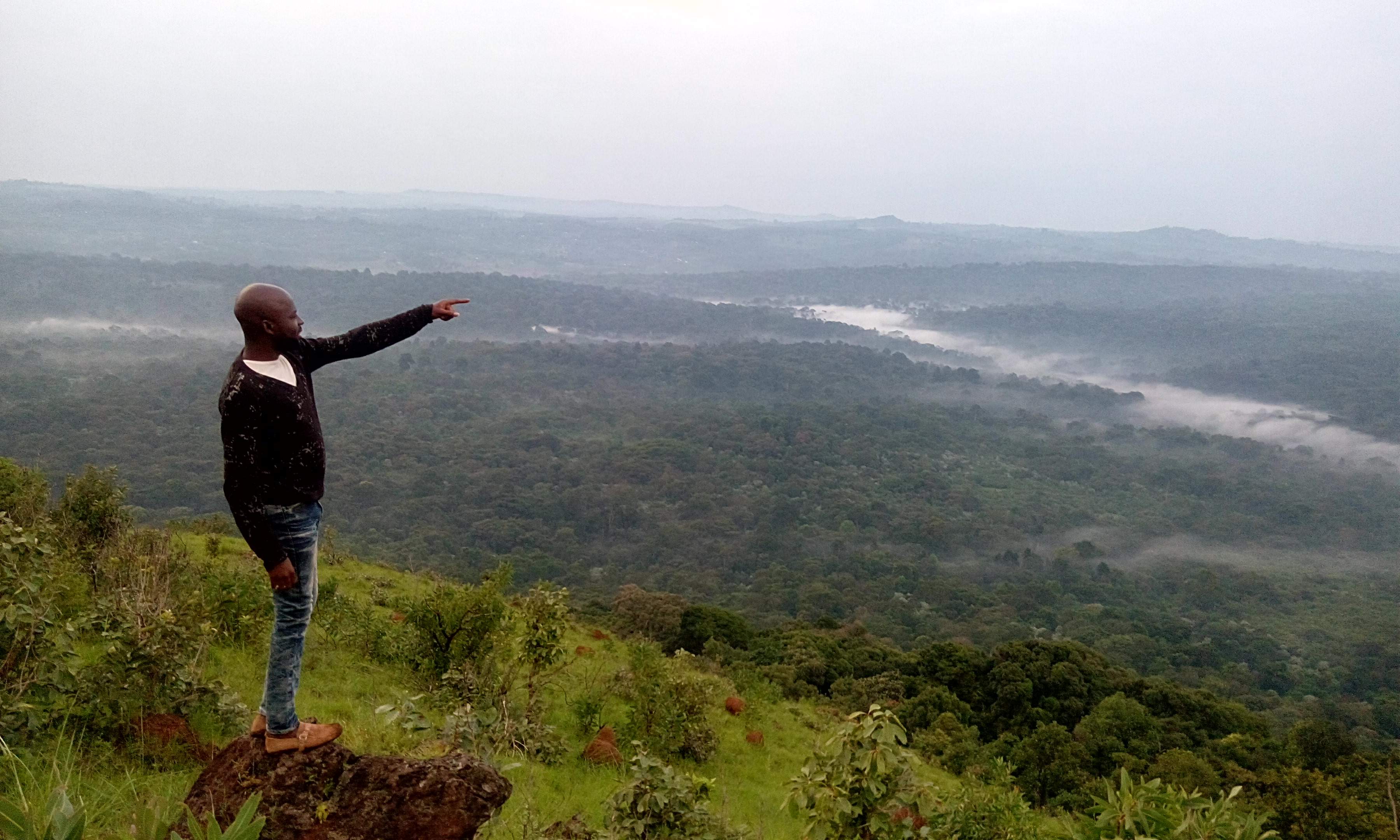
Back Ground Kakamega forest is a rain forest the largest East African forest that used to stretch from Kenya to Democratic Republic of Congo now reduced to Kenya all the way to Uganda. The forest including reserves encloses about 238 square kilometers, a little less than half of which currently remains as indigenous forest. The forest is elevated at predominantly between 1500 m and 1600 m above sea level. In the north of the forest is the 4,468 hectares (45 km2; 17 sq mi) Kakamega National Reserve, given national forest reserve status in 1985. Just to the north is the Kisere Forest Reserve. Throughout the forest are a series of grassy glades, ranging in size from about 1 to 50, with a few larger clearings. The origins of the glades are uncertain. Some are certainly recent clearings, but others predate recent records. These may have originated from past human activity such as cattle grazing or may be the result of herbivory and movements by large mammals such as buffalo and elephants (both now extirpated from the region). The glades vary a great deal in structure, some being open grass and others having a considerable number of trees or shrubs. A number of streams and small creeks run through the reserve. The larger creeks are usually bordered by a few to tens of meters of forest on either side which divide the glades, while the smallest creeks flow through open grasslands, often forming small marshy patches. Kakamega rainforest is the only tropical rain forest in Kenya of the Guineo-congolian type that once stretched across from West Africa to East Africa. The forest is penetrated by network of walking trails silent with only a melody of singing birds, whispering threes, rasp of butterflies as they fly on by, the chattering of monkeys, and gurgling streams nearby.
Kakamega forest is located in Western Kenya, 418 KM from Nairobi city through, Nakuru, Kericho, Kisumu Kakamega town then Kakamega Isecheno forest station.
Kakamega rainforest has over 360 species of birds, 380 species of plants, 400 species of butterflies, 7 species of primates.
Kakamega forest plants, 80% are of highly medicinal plants that traditionally local people use them to cure Malaria, prostate cancer, common cold and many others.
Kakamega forest is an Ornithologist's dream where many different rare birds’ species are found including Great blue turaco, Blue headed bee-eater, Turners Eremomela, Yellow bellied wattle-eye, African shrike-flycatcher, Petit's cuckoo-shrike and many others.
Mammals of Kakamega forest Includes Primates, Bushback, Red and blue Duikers, Bush pigs, Porcupines and at night Flying squirrels, Hammer Headed fruit bats, Tree pangolins, poto, Mongoose along the rivers Clawless otter.
Who will explain or interpret Tropical rainforest Biodiversity including; Birds, Primates, Medicinal plants, Butterflies and cultural activities of local people staying around the forest.
💼 What the programme involves
ESSENTIAL DUTIES AND RESPONSIBILITIES
Volunteers at Kakamega Tropical Rainforest can engage in a range of activities that support environmental conservation, biodiversity preservation, and community development. Here are some examples of volunteer activities in and around Kakamega Forest:
1. Forest Conservation and Restoration
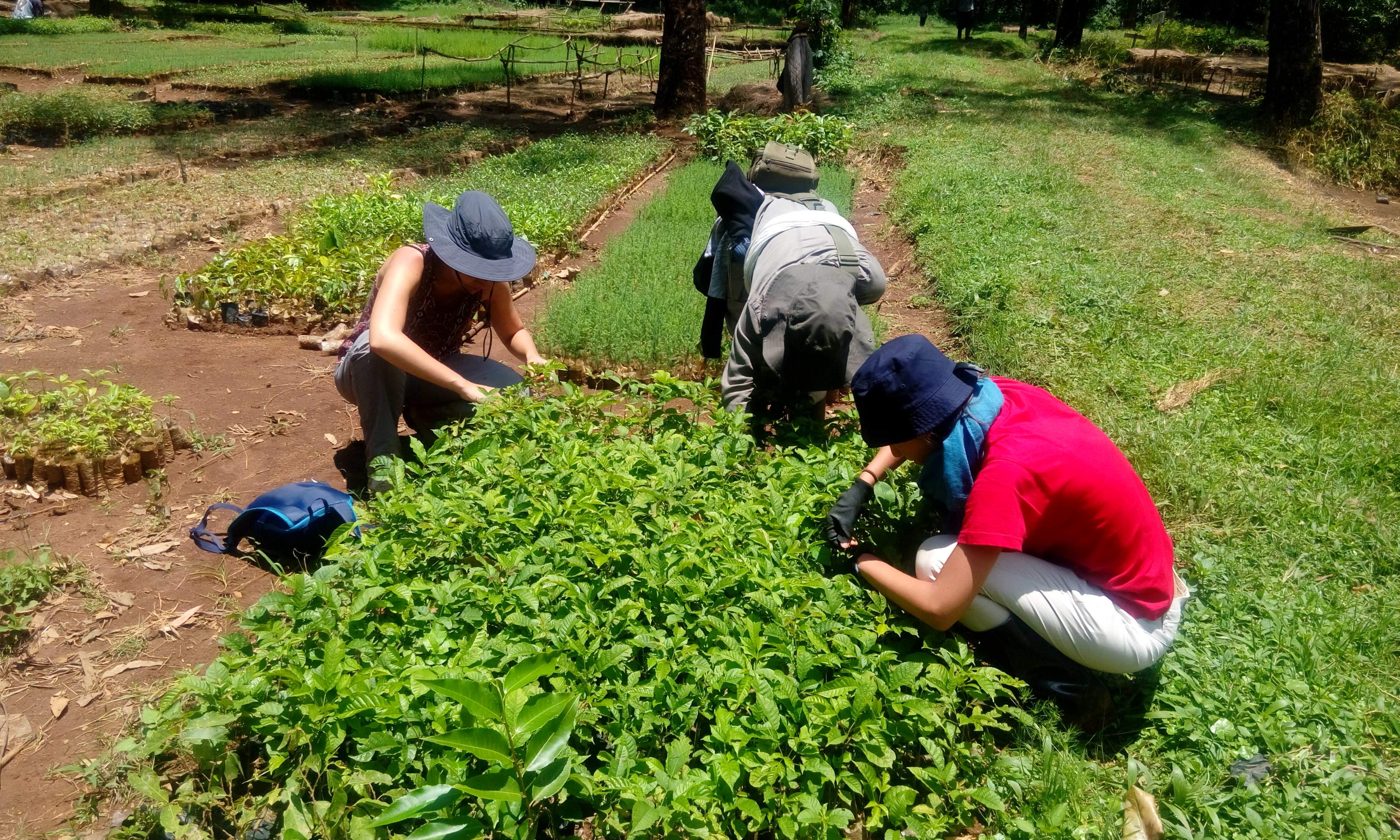
Tree Planting Initiatives: Help reforest areas of the forest or create buffer zones around the reserve to prevent encroachment and support habitat restoration.
Invasive Species Management: Assist in identifying and removing invasive species that threaten the native flora and fauna of the forest.
Forest Monitoring: Take part in forest health monitoring, tracking changes in flora and fauna, and assisting with data collection on biodiversity.
2. Wildlife Protection and Research
Wildlife Observation and Tracking: Participate in surveys of wildlife species in the forest, tracking animal populations, and reporting any illegal activities like poaching.
Bird Watching and Research: Kakamega Forest is home to many rare bird species, so volunteers may assist with bird counting, monitoring, and even public education on bird conservation.
Habitat Restoration for Endangered Species: Support efforts to create safe habitats for endangered species such as the African elephant, primates, and various bird species.
3. Environmental Education and Community Outreach
School Outreach Programs: Conduct educational workshops or school visits to teach children about the importance of the rainforest and conservation.
Community Awareness Campaigns: Educate local communities about sustainable practices and the benefits of forest conservation. Volunteers can help spread awareness of eco-friendly farming techniques and reducing human-wildlife conflict.
Guided Forest Tours: Volunteers could be trained as nature guides, leading educational tours for visitors to the forest, teaching them about the flora, fauna, and ecological significance of the area.
4. Sustainable Livelihood Programs
Supporting Eco-friendly Agriculture: Help local farmers implement sustainable agricultural practices that reduce deforestation and environmental degradation.
Promoting Eco-tourism: Volunteer in developing eco-tourism initiatives that help raise funds for conservation while providing the community with a sustainable source of income.
Promoting Alternative Livelihoods: Work with local communities to explore alternative income-generating activities, such as handicraft making, beekeeping, or mushroom farming, to reduce dependence on forest resources.
5. Data Collection and Research Assistance
Biodiversity Surveys: Assist scientists and researchers in gathering data about the various species in the forest, including mammals, birds, plants, and insects.
Climate Change Monitoring: Help monitor environmental changes, such as temperature and rainfall patterns, and assist with research to understand how climate change is affecting the forest ecosystem.
6. Waste Management and Clean-up
Litter Clean-up Campaigns: Help organize community clean-up drives within and around the forest to remove plastic and other forms of pollution.
Waste Reduction Initiatives: Support local efforts to reduce waste generation through recycling, waste sorting, and the promotion of reusable products.
7. Cultural Preservation
Documenting Traditional Knowledge: Volunteers could work alongside local indigenous communities to document and preserve traditional knowledge related to plants, wildlife, and forest management.
Cultural Exchange: Promote cultural events and awareness programs that allow volunteers and local communities to learn from each other while fostering a deeper respect for nature.
8. Visitor Services and Conservation Projects
Visitor Education: Provide information to tourists and visitors at forest entry points, educating them on conservation efforts and the importance of preserving the Kakamega rainforest.
Infrastructure Support: Help maintain trails, signage, and other infrastructure that promotes responsible tourism while reducing the environmental footprint on the forest.
9. Wildlife Rehabilitation and Rescue
Assisting in Animal Rescue Efforts: Participate in rescuing injured or orphaned animals, then working with wildlife experts to rehabilitate and release them back into the forest.
Monitoring Wildlife Movement: Assist with tracking animal movements and behaviors to understand their needs and ensure safe passage through protected areas.
These activities help support the sustainable development of Kakamega Rainforest, contribute to the conservation of its unique biodiversity, and benefit the surrounding communities. If you’re passionate about nature conservation or want to make a meaningful impact, volunteering here could be an incredibly rewarding experience.
Are you considering volunteering at Kakamega, or do you have specific activities in mind that you'd like to know more about?
🏠 Accommodation on site
Accommodation: At a host family. Please note that you will share the typical living conditions of a Kenyan family. There will be electricity, but no shower and pipe water/taps at the accommodation. Volunteers will be using buckets for bathing. Water will be boiled for drinking purposes and those who prefer can buy bottled water.
🍲 Food
Food
during your stay on this project food will be provided by your host family, volunteer will be provided with three meals a day Break fast Lunch and Dinner, food will be prepared by host by the help of volunteers most of foods are locally made and fresh produced
📍 About the location
Location: Kakamega forest is located in Western Kenya,Esecheno Village
🎒 Leisure activities
volunteers are free to plan for weekend plan,here are some just few places volunteers can visit but you can still find more according to the interest of the volunteers,Visit kisumu,Dunga hill Camp and also go for safari in the famous masaa mara National Reserve for a day game drive and night game drive
⚠️ Requirements
you'll need to meet certain requirements, including age, health, and attitude. You'll also need a passport and visa to enter the
1,Age: You must be at least 18 years old, or the age required by your program
2,Language: You should be able to speak at least basic English, or the language required by your program.
3,Passport: You'll need a valid passport to enter Kenya
4,Visa: You'll need a Single Entry Visa or tourist visa to volunteer in Kenya
5,Travel insurance: You'll need to have travel and health insurance
6,Background check: You may need to provide a criminal background check report
7,vaccinations: You may need to get certain vaccinations before entering Kenya
8,Training: You may need to participate in training provided by your organization
9,You should also be open-minded, flexible, and patient, and willing to step outside your comfort zone
10,Above 18 years of age (If you are below 18 years you need written consent from a guardian)
11,A positive attitude towards independent progress of others.
12,A willingness to adapt to local conditions.
🤝 Meeting point
Arrival Terminal At Jomo Kenyatta International Airport Nairobi.
Orientation: Orientation meeting will take place in Nairobi before proceeding to the project.
Day 1: Arrival and pick up from the Jomo Kenyatta International Airport, in Nairobi, Kenya and transfer to host family home or hostel.
Day 2: Morning: registration and start of orientation. About 4 hours lecture at the home of your host. Topics covered during orientation lecture will include East African culture, history, customs, politics, geography, and necessary health precautions, and various other topics, such as the diversity of Kenyan life. Afternoon is free for exploring rural Kenyan life and getting to know your host family.
ℹ️ Additional information
Additional requirements
1,Some programs may have additional requirements, such as a registration fee or program fee
2,Medical volunteers may need to provide college enrollment documents
3,Volunteers working with children may need to provide a criminal background check report
Participation fee: 400 Euros per months (12 months) The project fee or extra fee includes Airport Pick up, Airport Transfer, Food 3 meals a day Breakfast Dinner Lunch, Accommodation and Host, Transport From Nairobi to the Project And Back to Nairobi after the project, City Tour, 2 days host In Nairobi on your arrival and last day after project, 24 hours Agape Centre Of Hope Office Support and project monitoring
This Project Run All Round the Year is Open for Applications All times.
Interested in this project? Create your account and apply online.
Sign in to apply📷 Project photos
📅 Available sessions
ACoH: MLTV 010/1AUTO-EXTAUTO-EXT
01/01/2025 at 00:00 → 02/01/2025 at 00:00
ACoH: MLTV 010/1
01/01/2025 at 00:00 → 02/01/2025 at 00:00
ACoH: MLTV 010/1:
11/05/2025 at 00:00 → 31/12/2026 at 00:00
ACoH 08 /03
10/08/2025 at 00:00 → 30/08/2025 at 00:00
ACoH: MLTV 010/1AUTO-EXT
01/01/2025 at 00:00 → 02/01/2025 at 00:00
ACoH: MLTV 010/1AUTO-EXTAUTO-EXTAUTO-EXT
01/01/2025 at 00:00 → 30/12/2026 at 00:00
ACoH: MLTV 010/1:AUTO-EXT
01/01/2027 at 00:00 → 22/08/2028 at 00:00
ℹ️ Key information
Age required
18–99 years old
Solidarity donation
400.00 EUR
French tax residents may be eligible for a tax reduction of up to 66% of their costs (membership, plane tickets, solidarity donation).
📍 Location
Kakamega County, Kenya
Kenya
🌍 Location info
Local currency
Kenyan Shilling (KES / KSh)
Exchange rate
1 KES = 0.006892 EUR
Rate as of 31/05/2026
Timezone
East Africa Time
Local time: 21:57 (12/11/2026)
🛡️ Before you leave
✅ Features
🏠 Accommodation
🗣️ Languages spoken