📝 Detailed information
🏢 About the local organisation
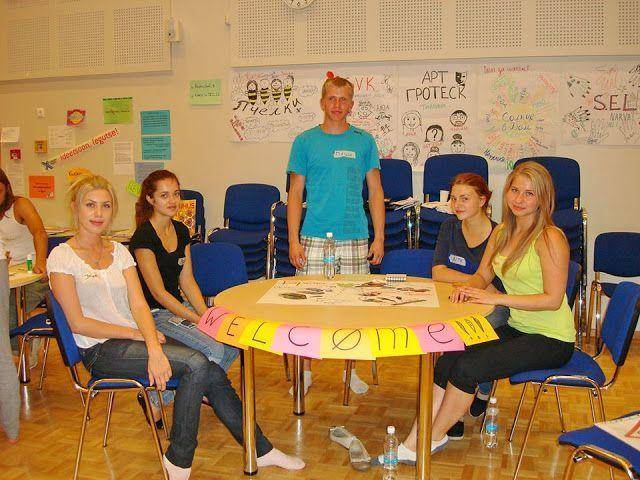
This project is organized for local children by The Language School In Down-Town and the non-profit educational association Alternative Language Programs Satellite (ALPS) as part of their annual activities on multicultural issues for youth. Some international teenage participants will join it too. The common project s aim is to introduce the diversity of world cultures to children and provide them with good practices in intercultural communication using the learning-by-doing method and organizing alternative English language practice. The project gets youngsters familiar with customs and traditions of the countries from all over the world and encourages them to develop their cross-cultural thinking and tolerance as well as global thinking and individual initiative. This summer we offer you to participate in our project called KALEIDOSCOPE . We invite camp participants to discuss ideas of chaos and order, mess and harmony. Together, we will discover our own infinite potential and freedom to create new patterns of life, same way as we create patterns out of random single pieces of colourful glass twisting a kaleidoscope. We will learn how to find harmony in apparent disorder and use chaos as a tool for stress relief, how to turn imperfection into the source of true beauty and embrace uncertainty to make our life journey more successful, unique and vibrant. Camp participants will gain ideas and skills how to deal with millions of combinations of the world s reality. Meetings with local and/or international professionals in the field will take place. Thematic photo and video contests for camp participants will be organized.
💼 What the programme involves
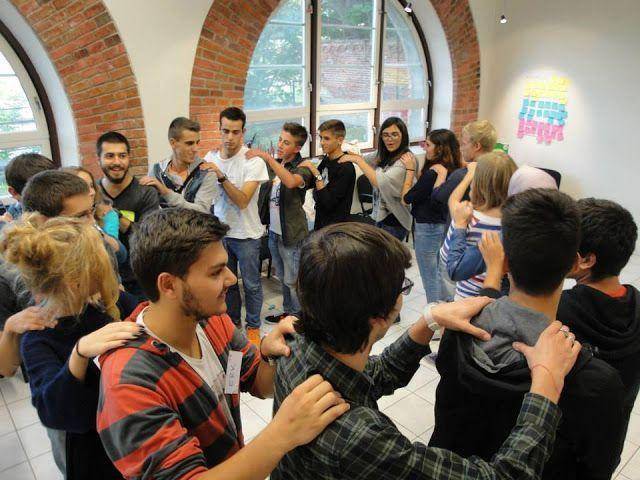
All summer camps are held under one common theme, though every camp shift has its own focus within which everyday activities for youngsters are organized. Each day of the camp program has a special topic to be discussed and a related activity to work out the outcome. There is also a creative and interactive presentation of a country-participant every day to introduce general and interesting facts about the country as well as cultural customs and national traditions to schoolchildren. The standard number of days in a shift is 7 plus 1 optional Saturday. Every camp is thoroughly documented. The related activities to support topic discussions and country presentations are as follows: various intellectual and sport games for youngsters, creative team projects like posters and sculptures or board-games, pieces of amateur drama or other types of performances, excursions and workshops, playing the games and music popular in the countries the volunteers represent, teaching their songs or folk dances, etc.Every shift has an option for different ages from 10 to 16 years old. All of them are day camps that are held in Tallinn. The working language is English. A number of volunteers working with schoolchildren in one camp may vary from 2 to 8 (both long-term volunteers for the whole summer and short-term volunteers who may join for 2 or 4 weeks); they work in pairs with one of the camp groups of 10-12 teens and change the groups every 2-3 days. Based on the previous year, we expect a number of kids/teens participants in one camp shift as up to 40 split into 2-4 camp groups; the local participants are mainly youngsters from minority groups of Tallinn whose family s languages include Russian.Based on described above, the work and duties of the volunteer include the following: prepare and facilitate topic discussions and camp activities for smaller teams of youngsters as well as larger all-camp events, support and lead youngsters in their work on team projects; help the youngsters and other volunteers in their performances and country presentations; assist the program leader implementing camp activities and trainings for other volunteers; work on the documenting camp events and support the local staff in their work with an international team of volunteers i organizing folders with working materials, making on-line reports and advert, making analysis, compiling the camp albums and leaflets, providing feedback. Based on the shifts, other work will include taking turn in assisting with catering and taking care of other volunteers, staying on overnight securing the international teenagers who are accommodated at school and accommodation site access, managing their arrivals and departures as well as their access to the building after outside camp activities, etc. The work can be intense sometimes, involving long working hours on some days, requiring high commitment and responsibility for the camp program. Days off are shifted and given to every volunteer on
🏠 Accommodation on site
AccommodationThere are 2 options possible (which are the subject to availability):1) The premises of The Language School In Down-Town located on the 4th and 5th floors of a business building in the city centre. In summer time, a part of the school is reserved for the volunteers accommodation that includes several separate dormitory bedrooms, equipped kitchen, a small dining area, a large shower area and two separate toilet cabins. Bed linen, pillows and blankets, towels will be provided, so you do NOT need to bring a sleeping bag unless you want so. For the reasons of security, volunteers will be issued only one set of keys. To facilitate a smooth and safe environment at school during the off-hours, the entrance to the school must be kept closed at all times. The access to the school accommodation will be managed by long-term volunteers or school staff. Please be aware that between 01:00 a.m. and 09:00 a.m. the access to the building will be closed. You will need to organize your own overnight stay if you wish to spend time in the city between the aforesaid hours. Catering will be organized by the school on an agreement with the volunteers (selection of times, meals - provided or volunteers cook, etc.)2) A furnished shared apartment in the residential area of Tallinn. The apartment has three-four dormitory bedrooms and all necessary facilities, and it takes about 20 minutes to get to the city center by public transport. Public transport cards will be provided. Volunteers will cook their breakfast meals themselves (food for a standard European breakfast will be provided); dinner meals will be served at school between 18:00 and 19:00; lunches will be organized for the whole camp (including kids/teens) in the city centre.
📍 About the location
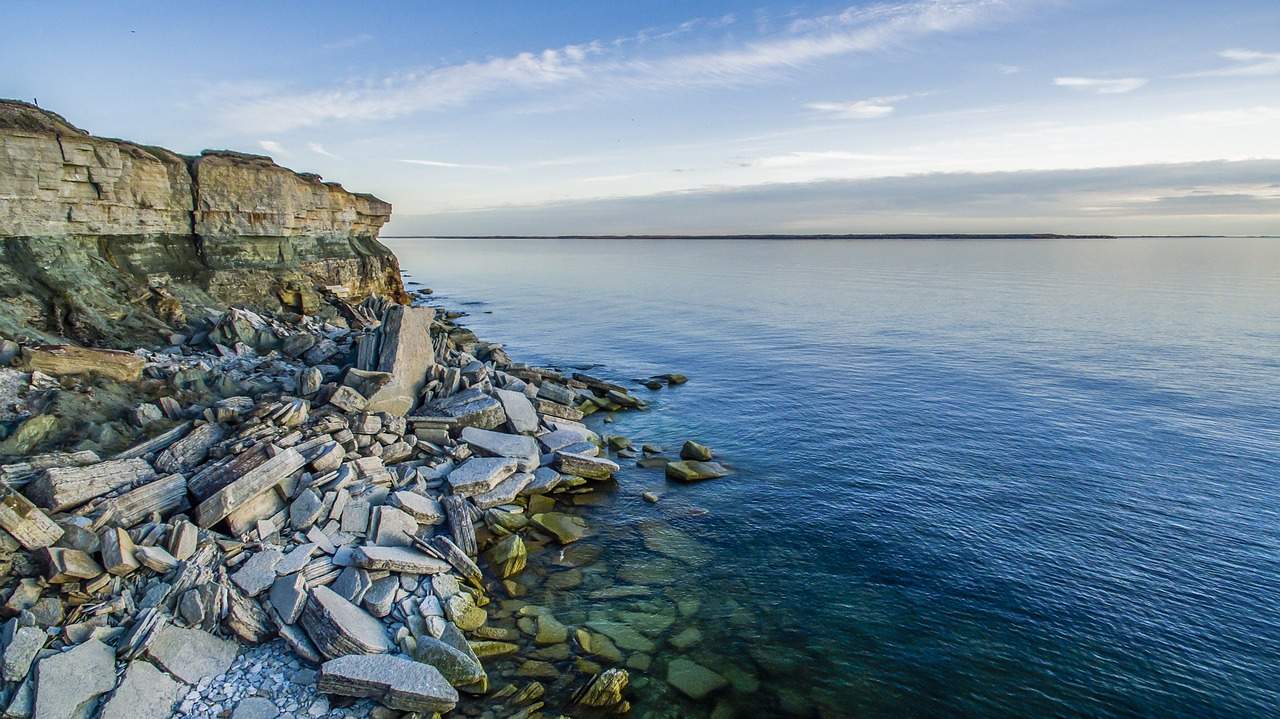
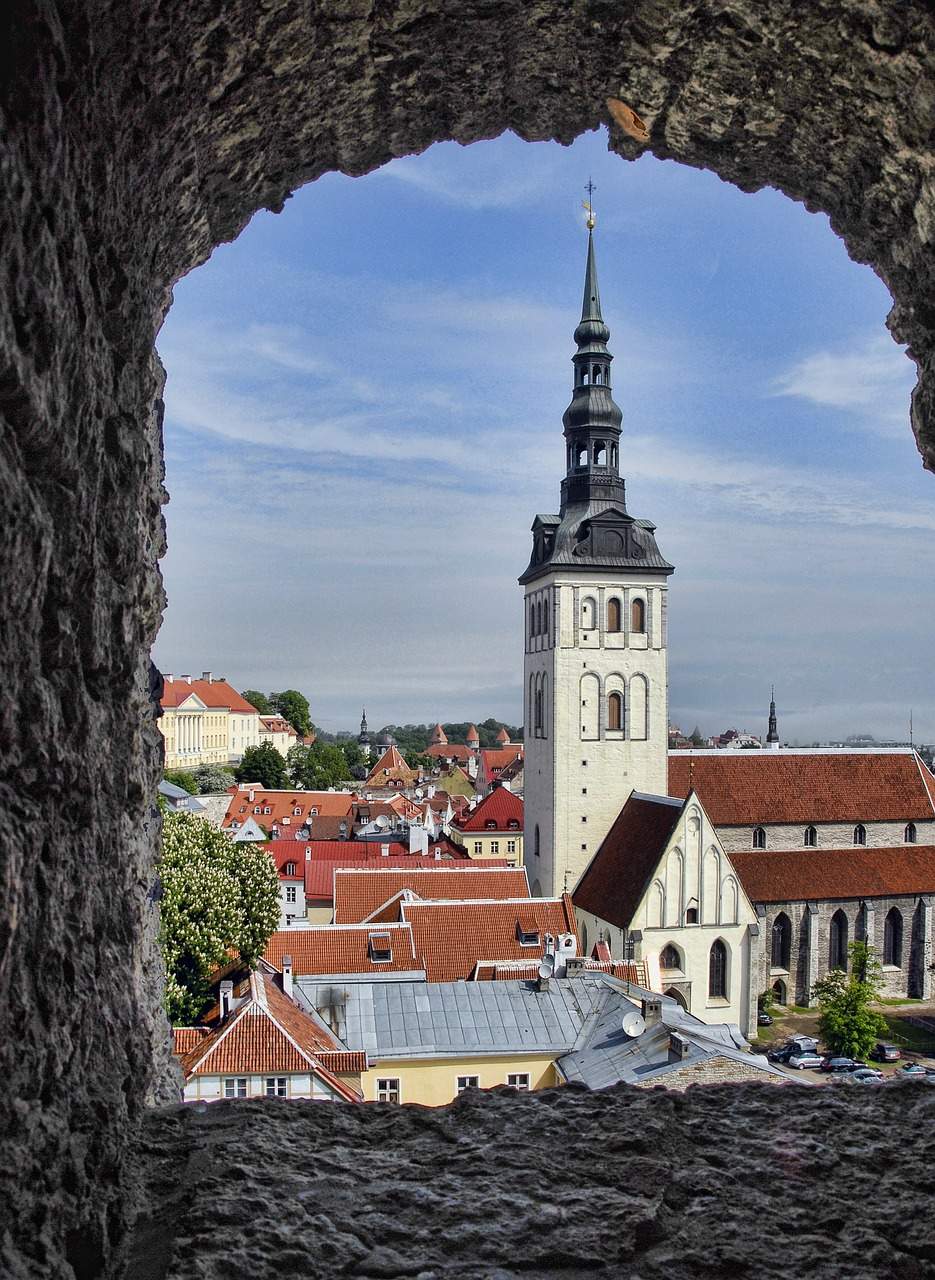
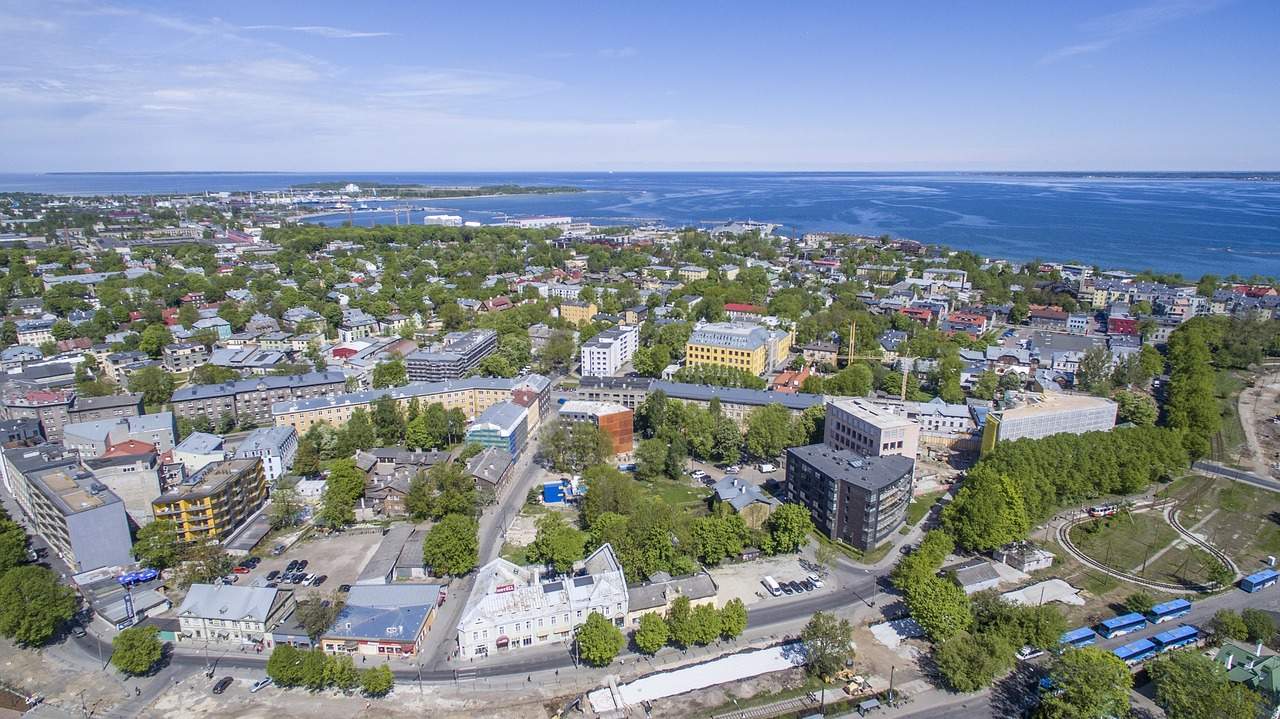
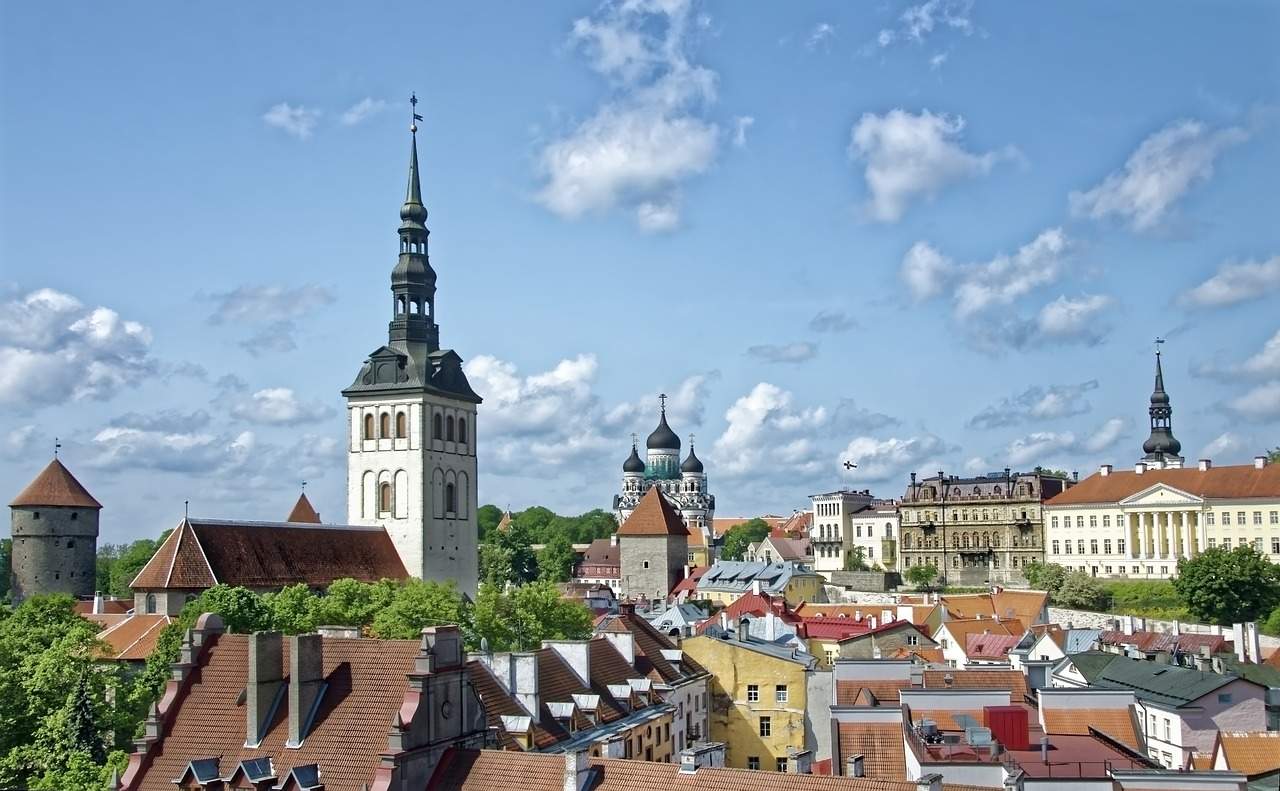
LocationAll camps take place in Tallinn, the capital of Estonia. More information on www.visittallinn.ee/eng Leisure timeThere are a lot of possibilities for leisure time activities as the camp takes place in the capital where one can find attractions for all tastes: sightseeing and museums, festivals, concerts, live music, pubs, etc. The camp provides an excellent opportunity to establish contacts with young Estonians and to experience the local life.
⚠️ Requirements
Special requirementsYou have to be really motivated to work with kids. Please provide a letter of your motivation along with the application form. An experience of working with children is an advantage. Your ideas and actual preparation to do the activities for kids are essential, so accepted volunteer will be required to meet the team online to discuss and complete some preliminary preparation. We ask you to bring some materials: postcards, posters, symbols of your country, music or popular national games etc., which can be used during your country presentation. We expect active volunteers with a good knowledge of history and culture of their country able and willing to present it to others in a creative way. B2 level of English is required. The age of volunteers is from 20 to 30. Please note that before making a final decision about your participation in the camp, the project coordinator will have a video interview with you.Due to volunteers work with minors we expect them to provide a criminal clearance and your doctor s check certificate. Please make sure that you have a travel insurance certificate as wellIMPORTANT: There is the school s safety policy that every volunteer agrees to follow and support during the work camp, which includes instructions on access and entrance keys to the camp site, use of facilities and accommodation space, behaviour and procedures in cases of emergency.Participation feeWe ask participants to contribute 100 Euro towards the costs of general administration. This fee has to be paid by bank transfer before the beginning of the camp to the bank account. If you cannot make it, please contact your sending organization for a solution.