Mara Osero Wildlife, Culture, Conservation Education Village
Code: e7706297-6d5d-11ec-abc4-fa163ef8d720 Copied
About the project
Mara Osero Wildlife, Culture, Conservation Education Village
📝 Detailed information
🏢 About the local organisation
The Maasai tribe (or Maasai) is a unique and popular tribe due to their long preserved culture. Despite education, civilization and western cultural influences, the Maasai people have clung to their traditional way of life, making them a symbol of Kenyan culture.
Maasai's distinctive culture, dress style and strategic territory along the game parks of Kenya and Tanzania have made them one of East Africa's most internationally famous tourist attractions.
The Maasai people reside in both Kenya and Tanzania, living along the border of the two countries. They are a smaller tribe, accounting for only about 0.7 percent of Kenya's population, with a similar number living in Tanzania. Maasai’s speak Maa, a Nilotic ethnic language from their origin in the Nile region of North Africa.
The Samburu tribe is the closest to the Maasai in both language and cultural authenticity.
Through rituals and ceremonies, including circumcision, Maasai boys are guided and mentored by their fathers and other elders on how to become a warrior. Although they still live their carefree lives as boys - raiding cattle, chasing young girls, and game hunting - a Maasai boy must also learn all of the cultural practices, customary laws and responsibilities he'll require as an elder.
The wildlife, culture, conservation and education village centre offers volunteers the ultimate opportunity to explore, learn and interact with the Maasai community and their culture. The Mara conservation gives them a platform to serve, interact and also live like the Maasai people. Above all, the Conservancy is managed according to a model that protects the delicate eco-system and benefits the landowners who are the Maasai people.
The wild life, culture, conservation and education in Kenya is home to the big cats situated on the mararienda most point of the Greater Mara Ecosystem; borders the Olchorro Oliroua Conservancy to the south, and MMNC to the East. The important focus of the conservancy is livestock improvement through innovative cattle management programs, running alongside novel tourism projects.
The habitat comprises wooded acacia savannah with open plains on flat plateaus, riverine acacia forest and rocky, undulating hills which provide a varied habitat for browsing and grazing ungulates, as well as hideout thickets for the predators. The Mara River runs alongside the conservancy. There is a large number of giraffe and resident buffalo that live close to the Olerai boundary along the Mara River. Elephants frequent the conservancy and there is a pride of lion based on the edge of oloisukut. There are many hippos and crocodiles in the section of the river that borders the conservancy and the riverine forests which provide an area popular with leopards. Rare species such as Aardvark, Caracal, serval cat and Aardwolf are occasionally found. Colobus monkeys have been spotted in the valleys on the Kileleoni Hill and there have
also been sightings of wild dog in Enonkishu. There is no doubt that Mara Osero offers an incredible game viewing experience.
💼 What the programme involves
Animal conservation
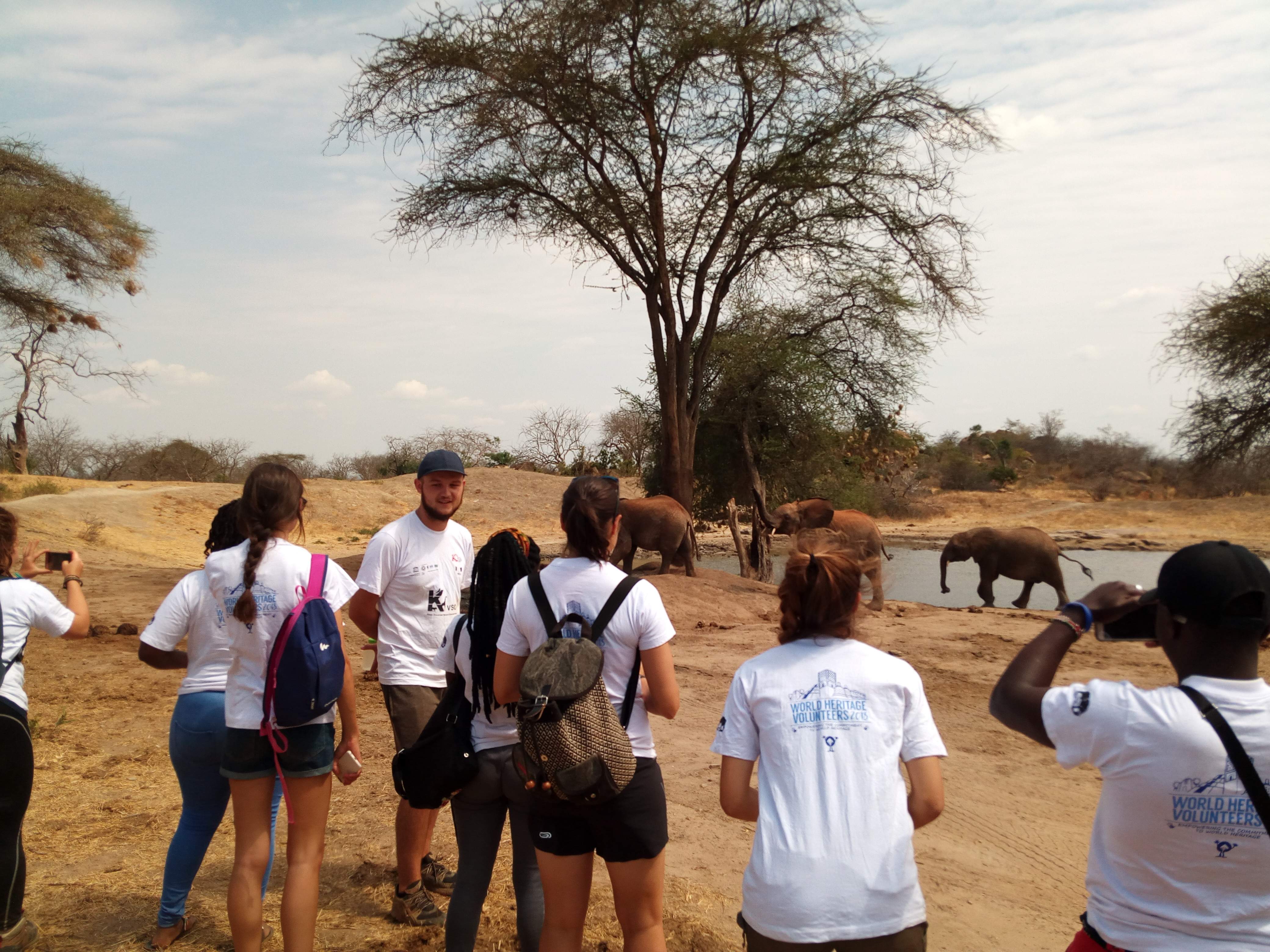
✔ Regular ground patrols and safari walk
✔ Identifying animal species found within the area
✔ Identify and name indigenous plants and uses
✔ Monitoring wildlife movement
Cultural
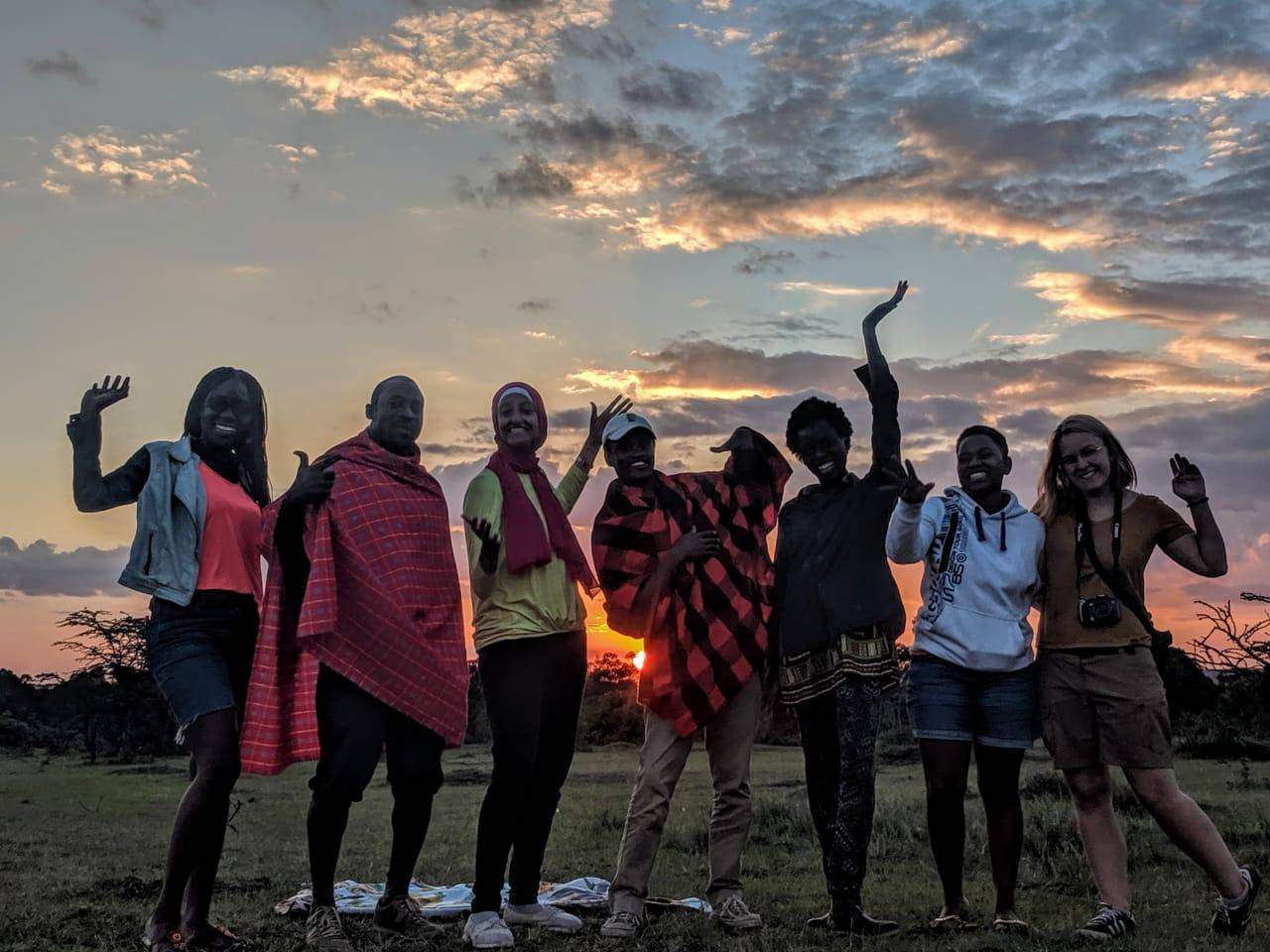
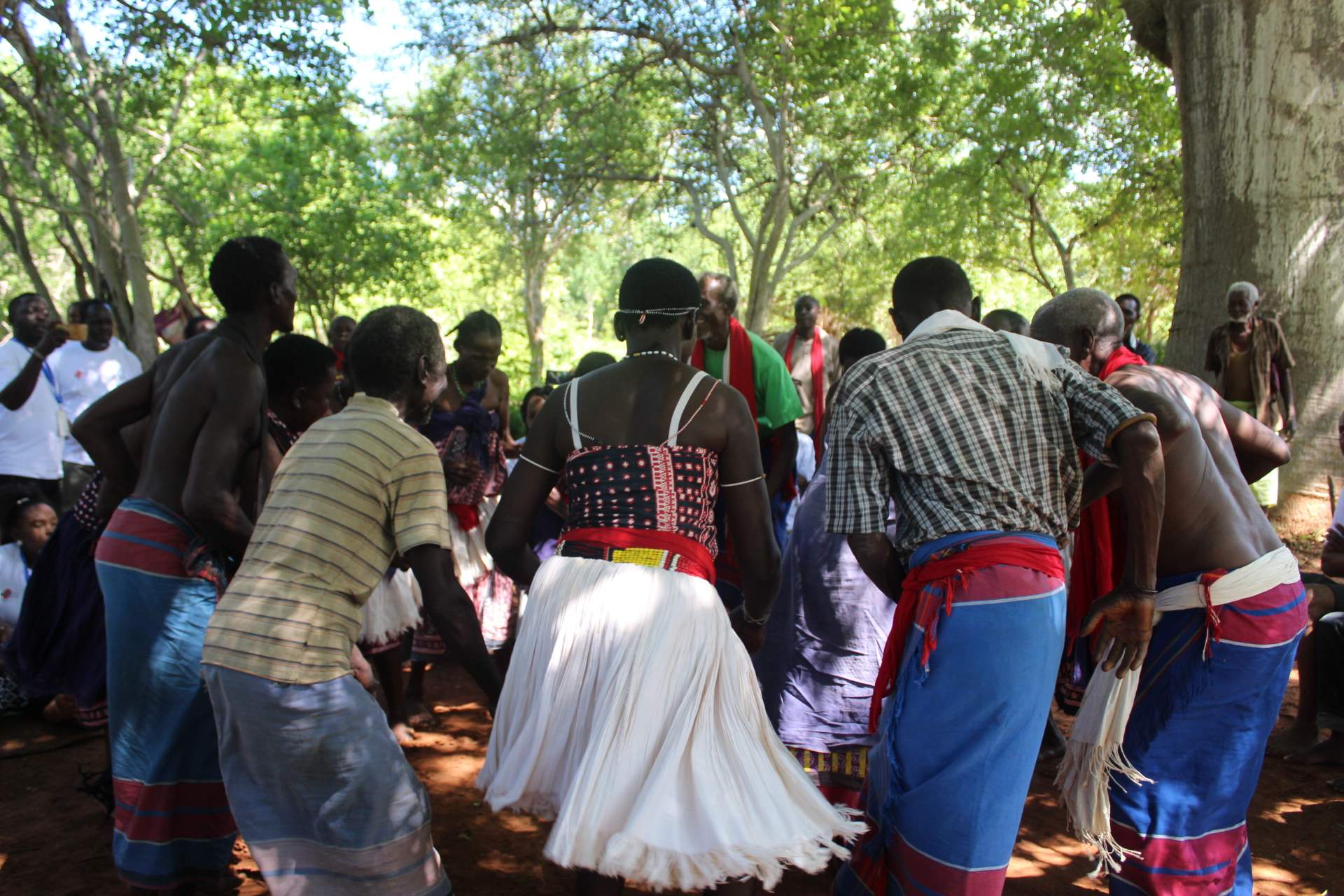
✔ Experience Maasai way of life
✔ Control cattle grazing, milking and caring for cattles
✔ Maintenance, building and renovation of the manyatta houses
School teaching programme
✔ Teaching lessons and playing with kids
✔ Planting of trees
• Gardening and land scaping
• Outreach programme in the local dispensary.
• Extra activities learning life skills bead work, cooking using fire wood e.t.c
• Ensure upkeep of the conservancy
• Work with other stake holders in ensuring up keep of the conservancy
• Extra activities Bird watching for interested volunteers.
Other activities depending on the interest of the volunteers:
Promoting Sustainable Tourism
Teach English in local school
Assisting in the local hospitals
Clean-up campaigns and planting trees in school and community
Engaging the surrounding communities in protecting their cultural heritage
Fostering dialogue and interaction between local communities
Disseminate information about Maasai Mara
Raise awareness to the local community
Train and empower the community and preserve and promote natural heritage
🏠 Accommodation on site
Volunteers will be living in the Maasai Manyattas (villages) with the host families, pit latrines and local bathrooms will be used, no electricity and no internet.
🤝 Meeting point
ARRIVAL TERMINAL
Jomo Kenyatta International Airport.
Orientation will begin in the morning of the 6th February 2022 at KVSO offices and you will be picked up for accommodation and taken for the orientation which will be conducted by KVSO staff in Nairobi. Everything you need to know about your project placement will be covered. Introduction to Kenya and Maasai land, Maasai customs, and expectations, safety, travel opportunities in Kenya, introduction to your project and placement all these you will be able to know. The orientation will also give you a chance to meet other volunteers and swap contact details for weekend travel and socializing.
ℹ️ Additional information
300€ (monthly) which includes project work, housing, all meals, transport from the airport and to the project site, and 24 hours on site staff support.
Interested in this project? Create your account and apply online.
Sign in to apply📷 Project photos
📅 Available sessions
KVSO MLTV 01/01
07/02/2022 → 24/12/2022
ℹ️ Key information
Age required
18–99 years old
Solidarity donation
300.00 EUR
French tax residents may be eligible for a tax reduction of up to 66% of their costs (membership, plane tickets, solidarity donation).
📍 Location
Narok County, Kenya
Kenya
🌍 Location info
Local currency
Kenyan Shilling (KES / KSh)
Exchange rate
1 KES = 0.006892 EUR
Rate as of 31/05/2026
Timezone
East Africa Time
Local time: 22:06 (12/11/2026)
🛡️ Before you leave
✅ Features
🏠 Accommodation
🗣️ Languages spoken