📝 Detailed information
🏢 About the local organisation
Open Houses is a non-profit network dedicated to the preservation and reactivation of historic buildings and sites as shared cultural spaces. Rather than treating heritage as static or purely commemorative, Open Houses understands historic places as environments shaped through continued use, dialogue, and collective responsibility. The organisation initiates and supports projects that combine hands-on conservation with cultural, educational, and community-oriented activities, enabling sites to remain physically accessible and socially meaningful. The main objective of Open Houses is to reactivate historic sites as living parts of their communities, supported by international volunteers who contribute to their conservation and rehabilitation through practical engagement.
The origins of the organisation date to the mid-1980s, when volunteer groups in East Germany began restoring endangered village churches. These efforts quickly evolved beyond repair work into the reanimation of the buildings as lived spaces for exhibitions, music, discussion, and communal engagement. This approach (linking practical preservation with active participation) remains central to Open Houses today.
European Heritage Volunteers is an international programme network initiated and administered by Open Houses to extend these objectives across Germany and beyond. Conceived as a platform for capacity building in the heritage field, it brings together students, emerging professionals, and skilled craftspeople to participate in hands-on conservation projects, training courses, and educational initiatives at heritage sites. The programme combines practical work, such as traditional building techniques, landscape conservation, documentation, and maintenance, with structured learning components addressing heritage theory, site management, and cultural context. Implemented in cooperation with site owners, conservation authorities, and partner organisations, European Heritage Volunteers functions as a bridge between professional heritage practice and international exchange, fostering the transmission of traditional skills, interdisciplinary learning, and shared responsibility for the safeguarding of cultural heritage.
💼 What the programme involves
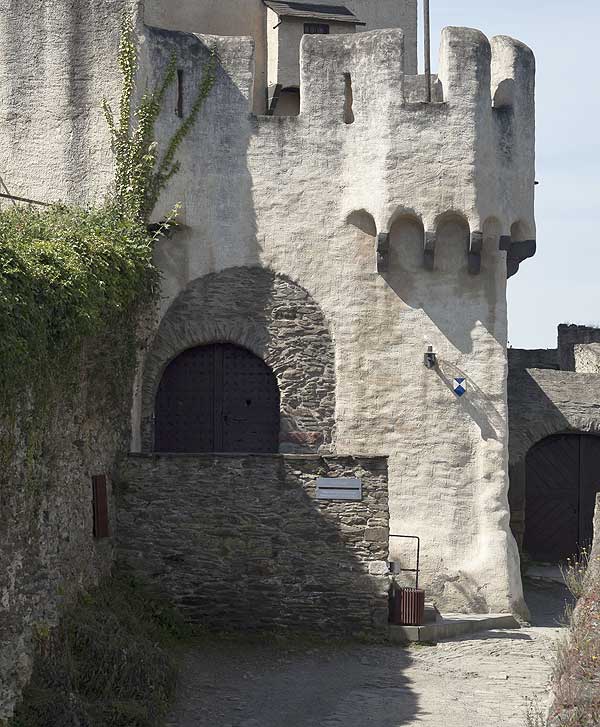
The hands-on activities will focus on archaeological investigation and the conservation of historic landscape structures associated with Marksburg Castle's defensive and agricultural setting. Work will begin with a targeted excavation in a former defensive zone containing stratified deposits from the 16th to the 20th century. Participants will assist in the careful excavation, sorting, and documentation of layers in order to identify structural remains and better understand the site's successive phases of use.
A second focus will be the rehabilitation of a historic dry-stone retaining wall that formerly stabilised vineyard terraces along the castle's access route. Damaged sections will be dismantled and rebuilt using traditional dry-stone masonry techniques, reusing original stone material wherever possible. The works will address structural instability while preserving historic construction methods and material character.
An important aspect of the course will be the application of archaeological and dry-stone methodologies within an authentic castle environment, combining investigation with practical conservation. The educational programme will provide participants with a comprehensive understanding of how archaeological research, traditional building techniques, and cultural landscape conservation interact within a World Heritage site.
🏠 Accommodation on site
Accommodation
The participants will be lodged in a historic building at Castle Phillipsburg, shared rooms and all necessities provided.
Food
The meals will be prepared together as they are part of the community life, what means that every participant will be responsible for the meal at least once during its stay. So, it would be very nice if the participants could bring typical recipes from home in order to introduce each other to the preparation of food from all over the world.
Insurance
In cases of accident and liability all participants from foreign countries are insured by Open Houses. Nevertheless, individual travel insurance is recommended. Participants from outside European Union are insured in cases of illness, too. Participants from the European Union should bring their European Health Insurance Card.
Finances
All costs linked to the project are covered, including food, accommodation, insurance and transportation during the stay at the project. Travel costs to and from the camp place are not covered. Participants should organise their journey to and from the project place by themselves and on their own expenses. Furthermore, participants should bring their own pocket money.
📍 About the location
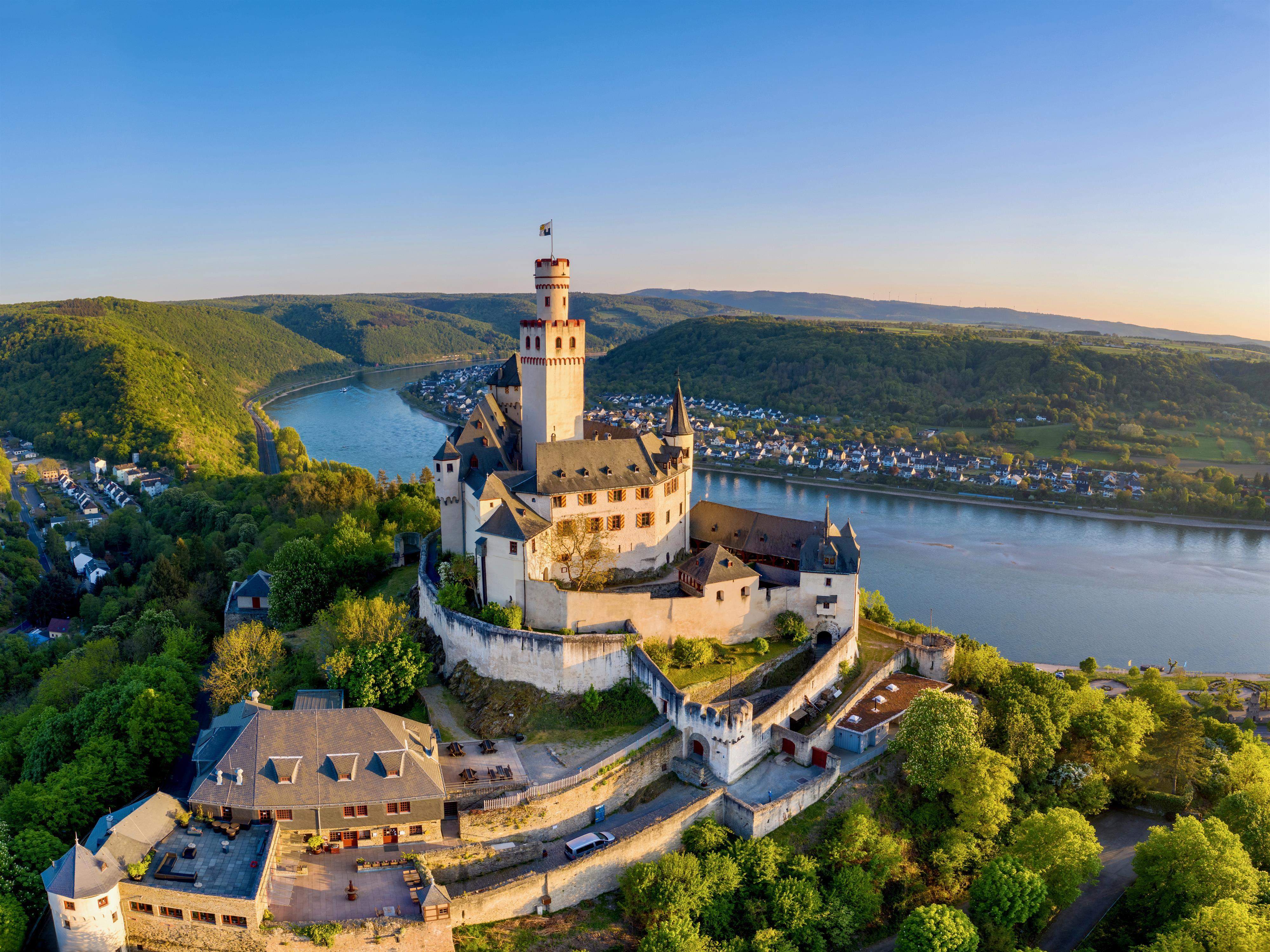
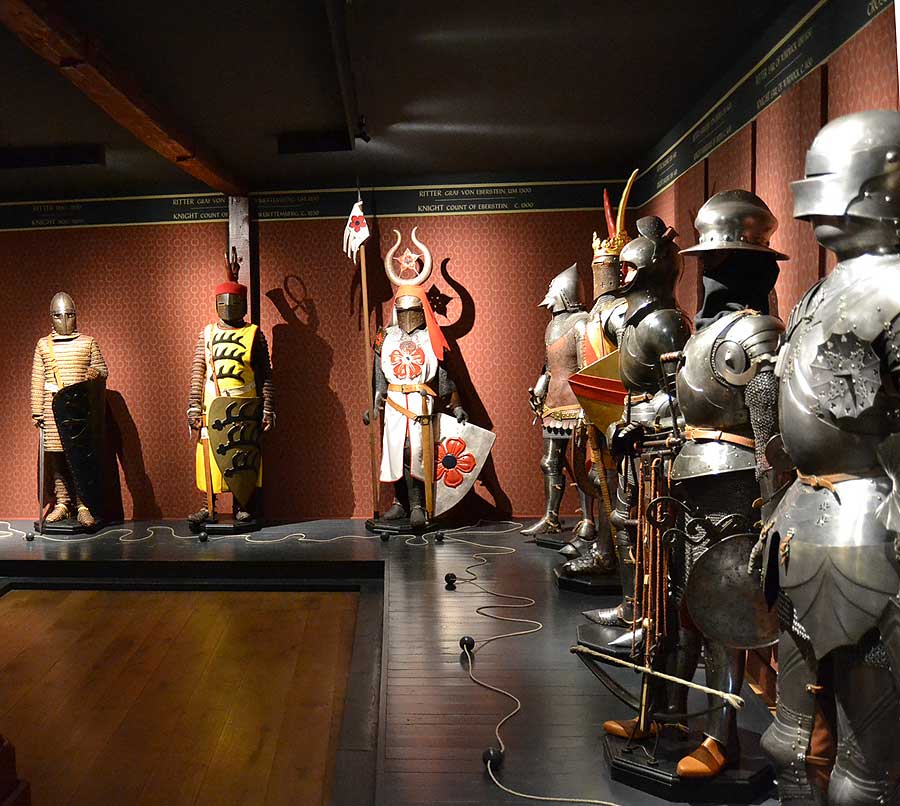
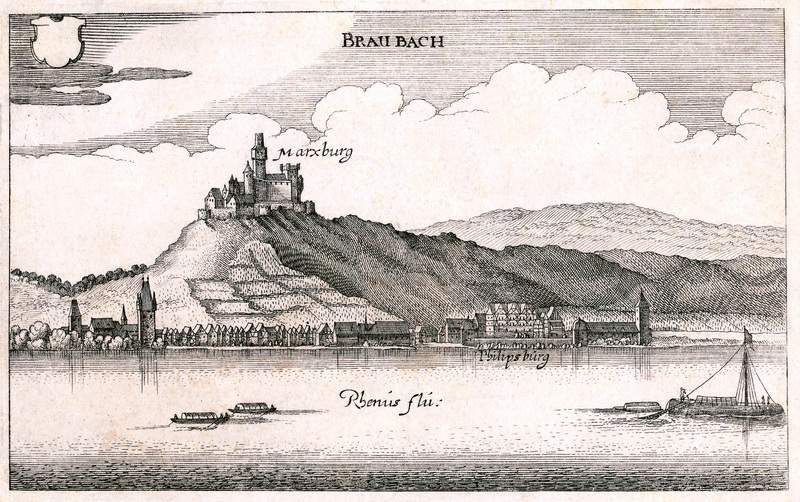
Marksburg Castle, situated on a commanding hill above the town of Braubach, is one of the most important examples of medieval military architecture in Germany. Unlike many other castles in the region, Marksburg has never been destroyed, allowing it to retain a high degree of historical authenticity. Originally constructed in 1239, the castle underwent various modifications over the centuries, adapting to evolving defensive needs while preserving its structural integrity. Today, Marksburg serves as the headquarters of the German Castles Association (Deutsche Burgenvereinigung), Germany's oldest organisation dedicated to the study and preservation of castles. The work carried out by the German Castles Association at Marksburg, both in conservation and in research, exemplifies the ongoing commitment to maintaining the authenticity and cultural value of these historic structures.
The castle is located within the Upper Middle Rhine Valley, a UNESCO World Heritage site inscribed in 2002. This 65-kilometre stretch of the Rhine between Bingen and Koblenz is recognised for its outstanding cultural landscape, shaped by centuries of human interaction with the natural environment. The site's inclusion as part of the UNESCO cultural landscape highlights the interdependence of castles, trade routes, and human settlement patterns in shaping the historical development of the Rhine Valley.
⚠️ Requirements
Special requirements are sending a CV, application form, and motivation letter to
[email protected] prior to selection there will be an interview. Candidates should be interested in the topic of the project / training course and demonstrate it in the motivation letter and interview.