📝 Detailed information
🏢 About the local organisation
Sachsenhausen is a part of Oranienburg, ca. 33 km to the north of Berlin. Sachsenhausen was
one of the earliest concentration camps in Germany, built in 1936. For example, German
people who were in opposition to Nazi policy, homosexuals, so-called asocials, criminals,
Jews, and during the war especially people from occupied countries were imprisoned, forced
to work and a lot of them were murdered. Between 1945 and 1950 a part of this area was used
as a so-called Special Camp of the Soviet Secret Service.
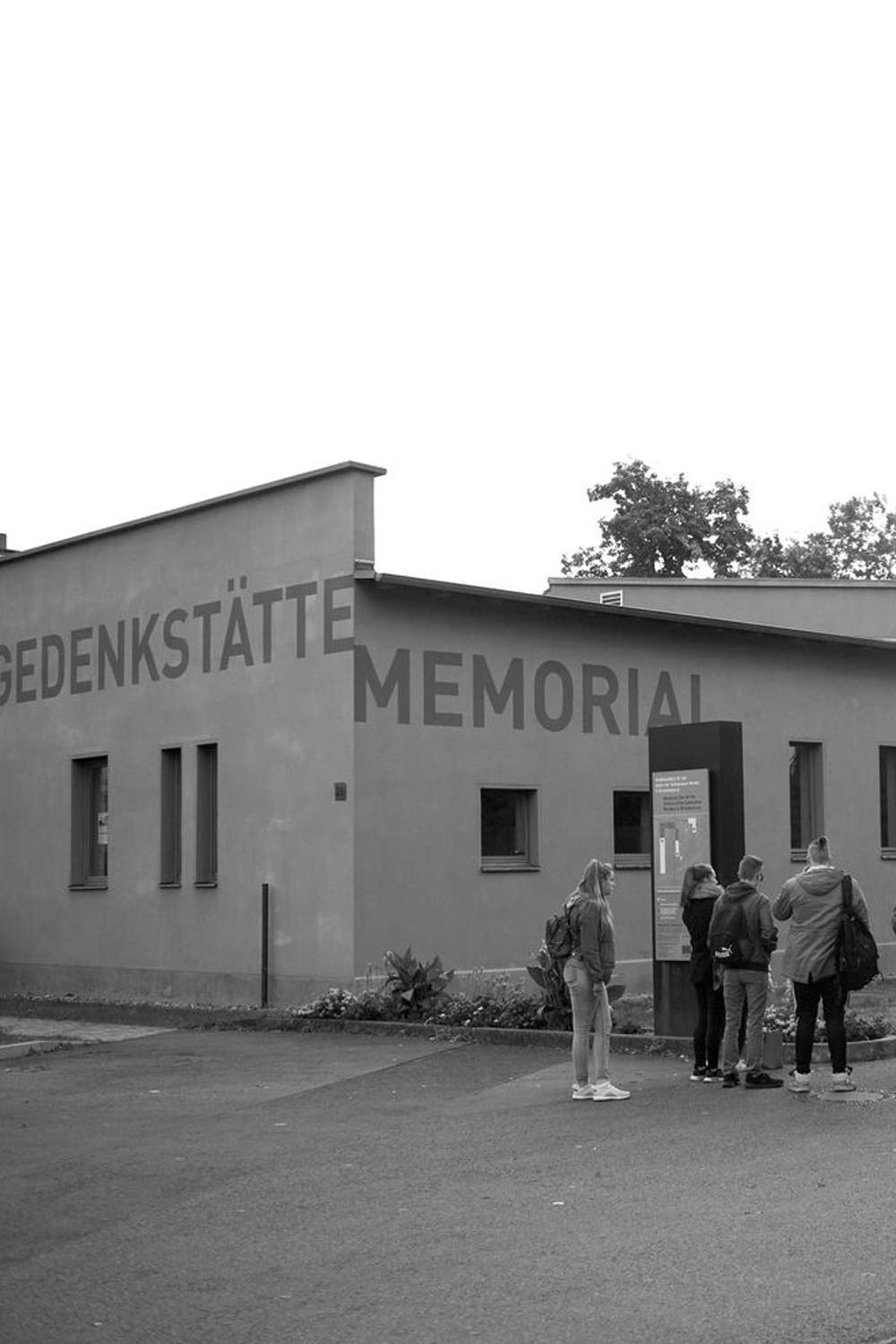
Now it is a place for studies and to commemorate the victims: the memorial site
Gedenkstätte and Museum Sachsenhausen (Memorial and Museum Sachsenhausen). Please
inform yourself about the camp on this site: http://www.stiftung-bg.de/gums/en/index.htm
💼 What the programme involves
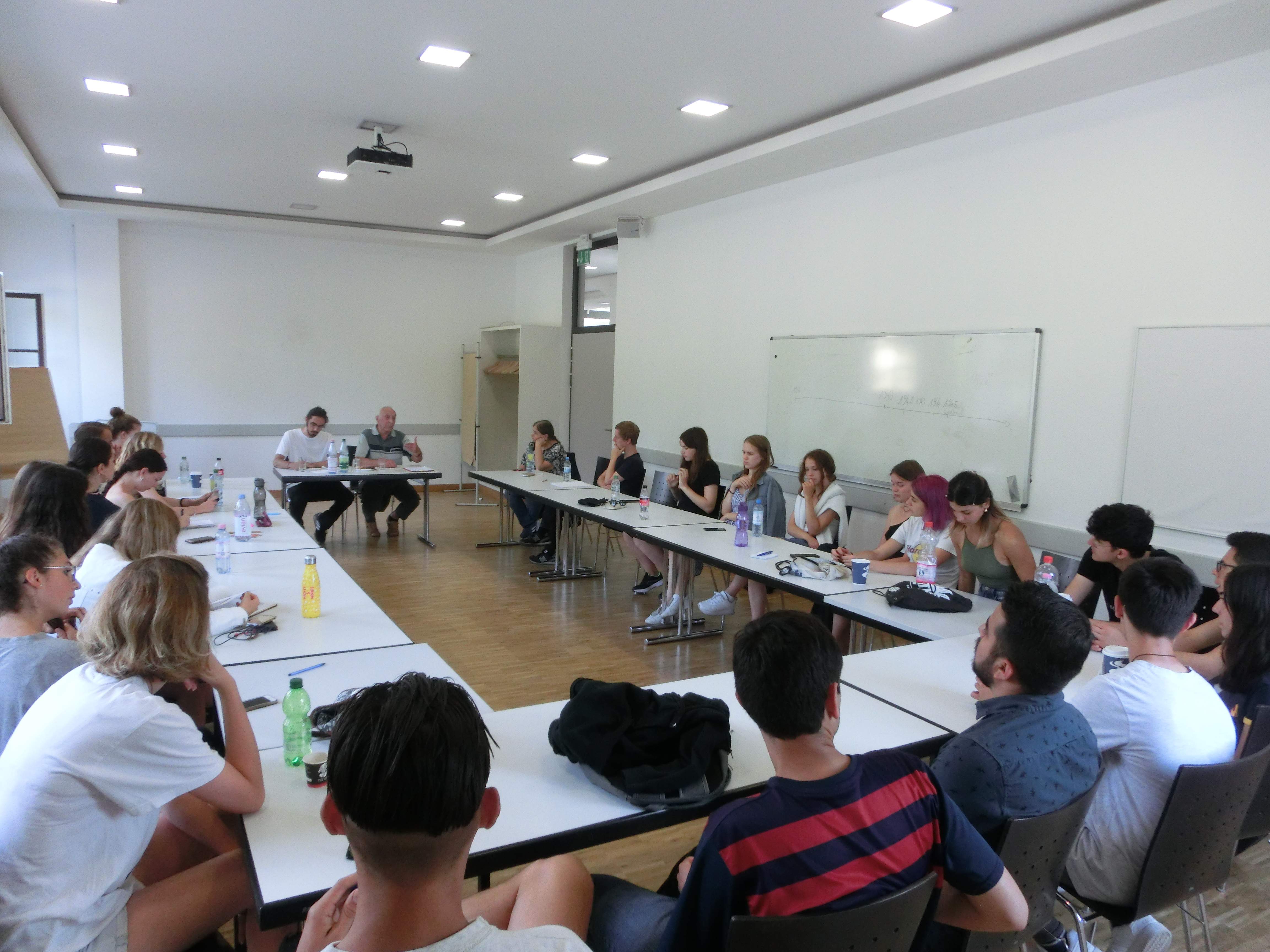
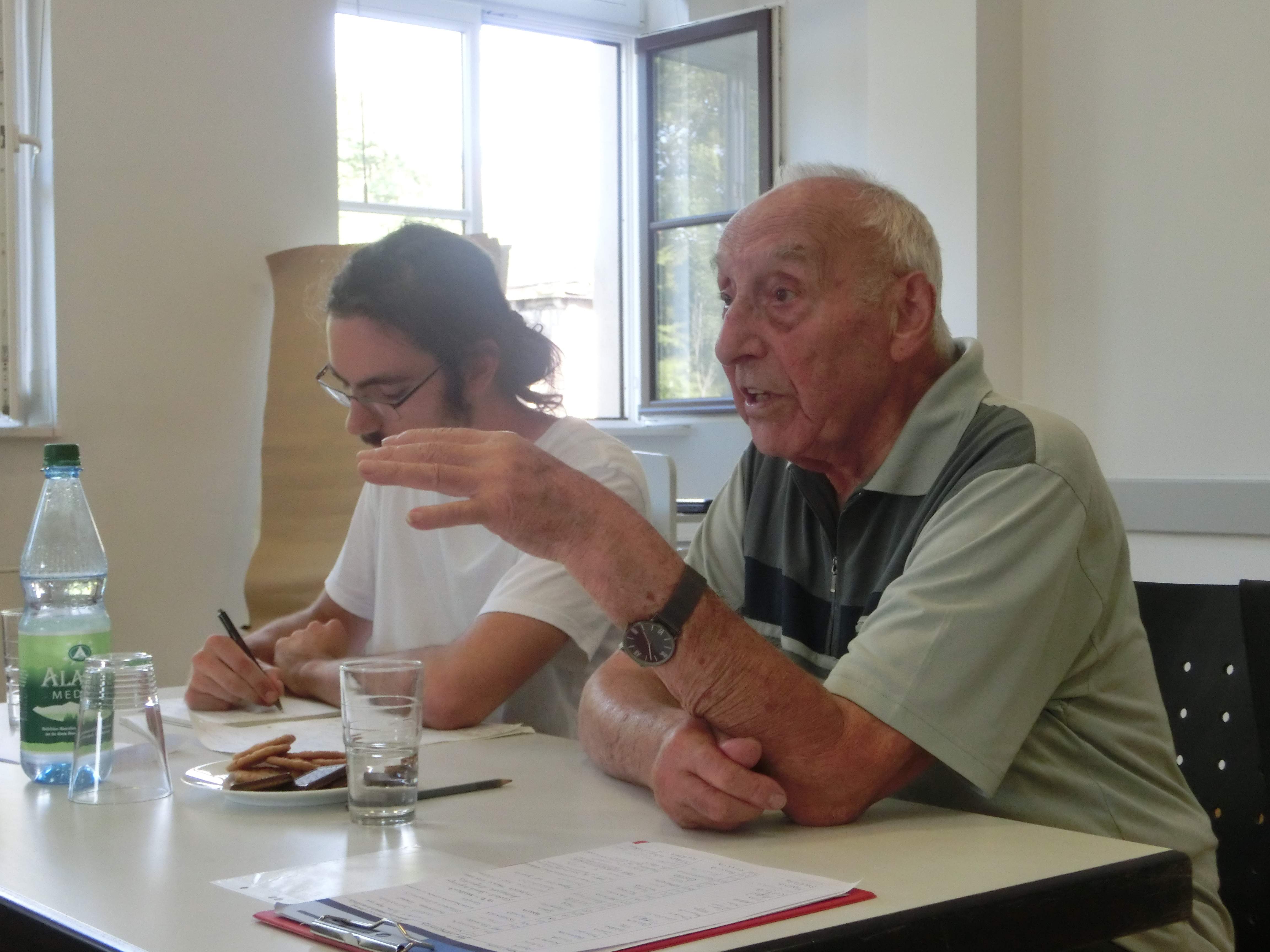
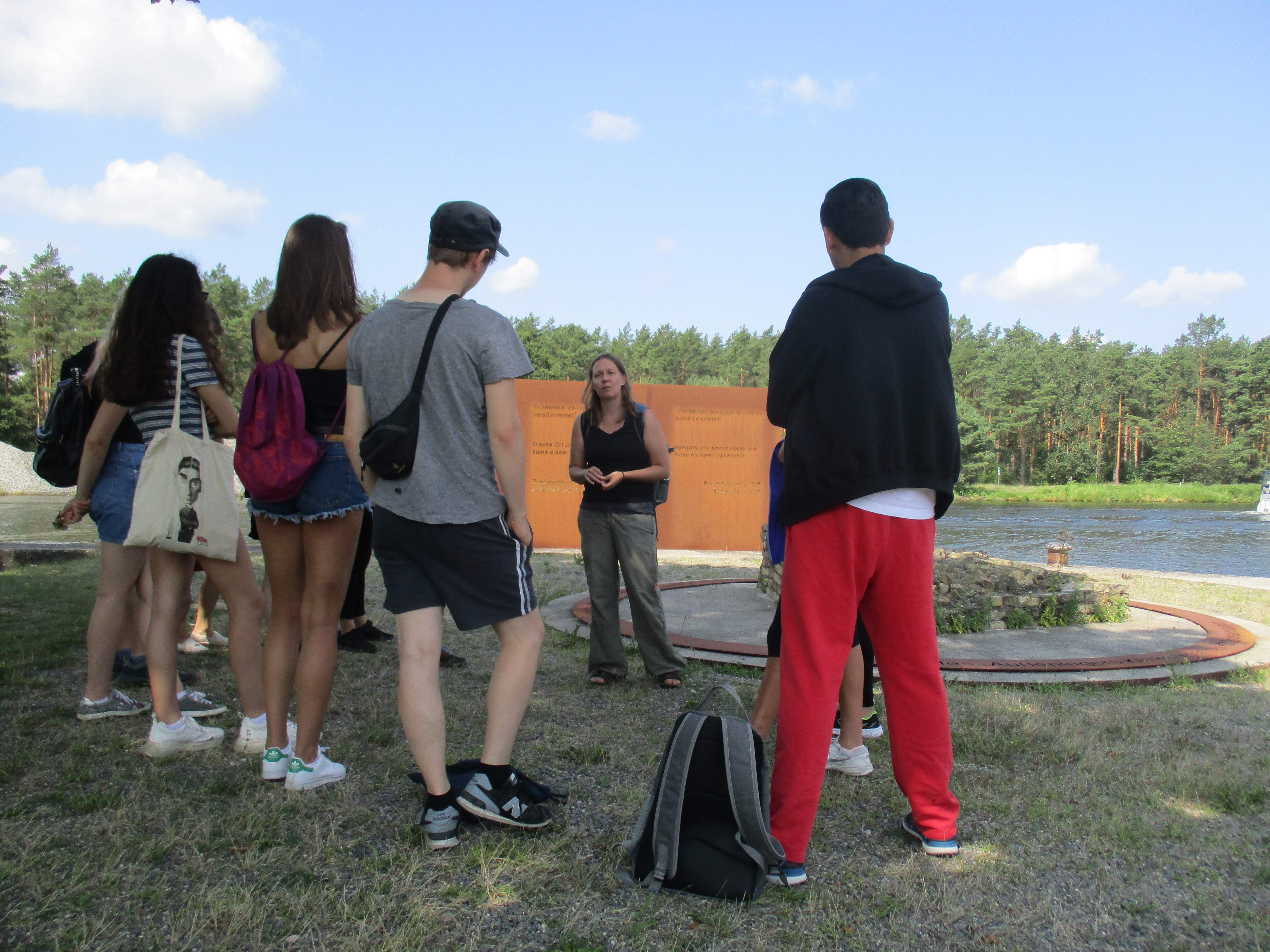
Study part: Besides the manual work the study component will be an important part of our project.
Participants will learn a lot about the time of National Socialism, ( i.e. the Nazis) - persecution
extermination, and forced labour -as well as about postwar Germany, especially about the
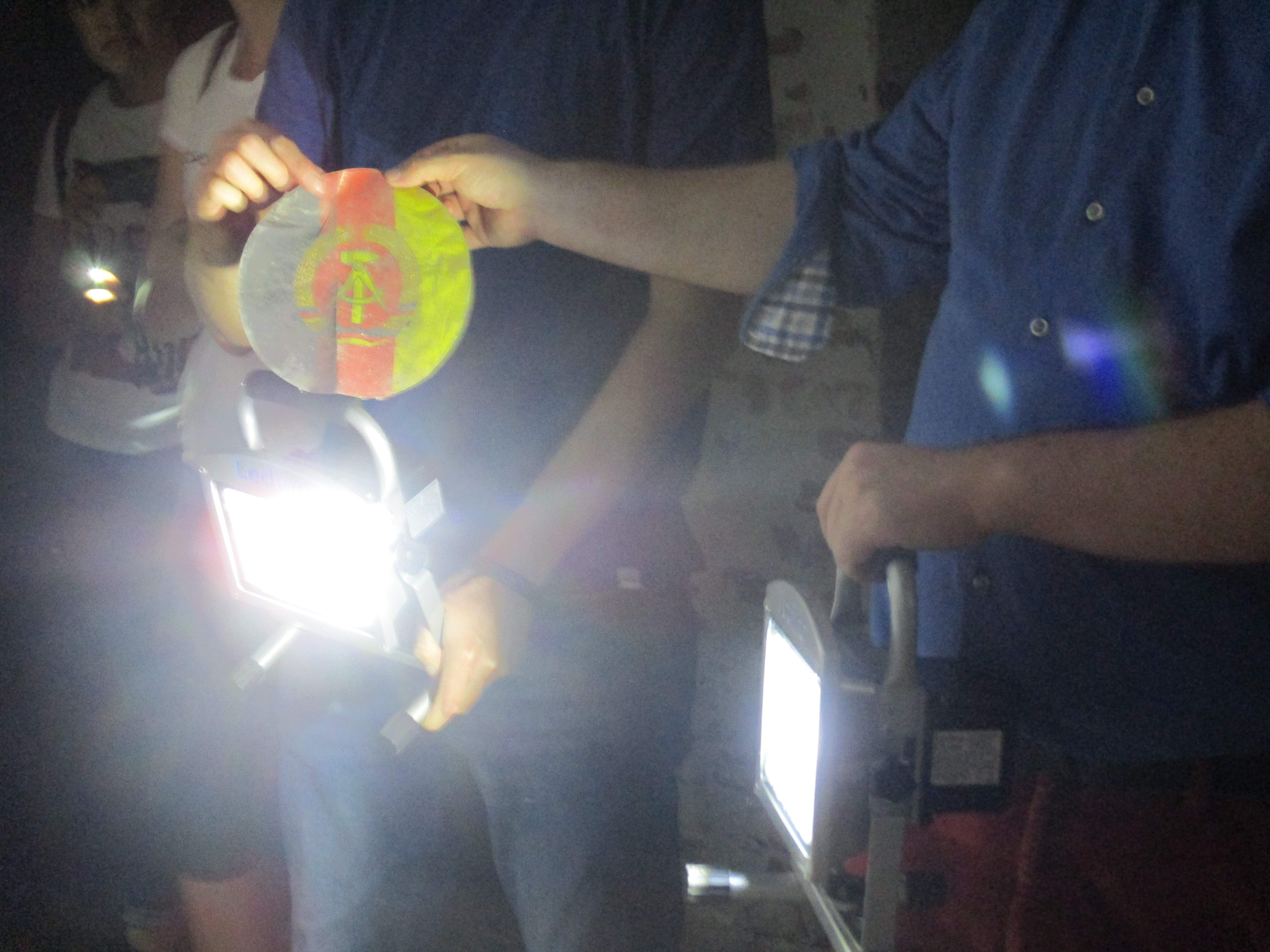
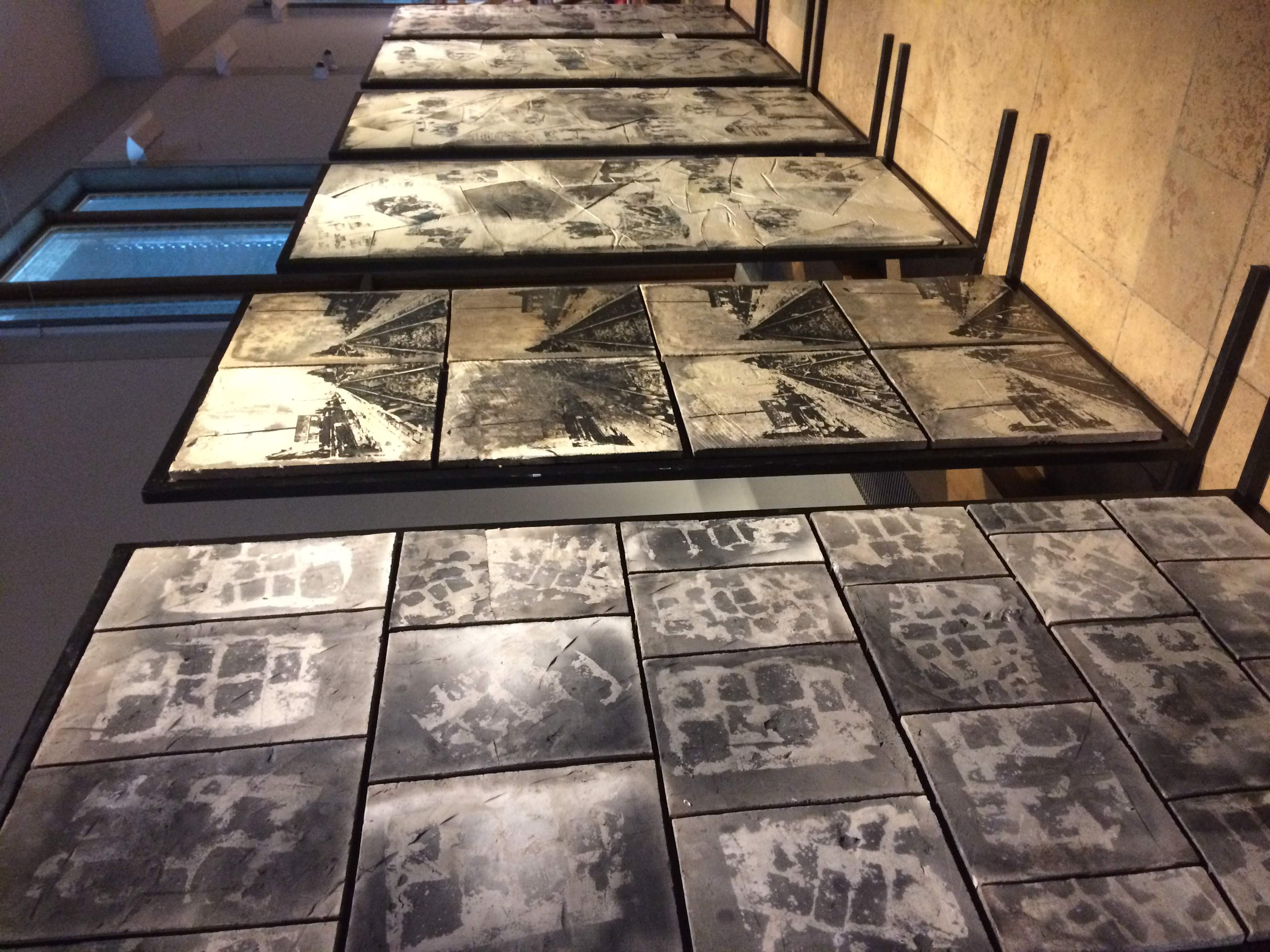
Soviet Special Camp which operated at Sachsenhausen until 1950 Also, different remembrance and memorial cultures will be part of the study. The international volunteers with their different national and cultural backgrounds will share the memories and commemoration of their countries with group and discuss their experiences and opinions with the group. The study part includes an art project “Young Interventions“ where participants discuss different forms of remembrance, to help find their own language of remembering. In the art project they will do brief individual art interventions on the
memorial site or in the exhibitions to increase, complete, or intervene in the narratives of
history. Volunteers will have the opportunity to work in the depot and in the archive of the memorial
site.
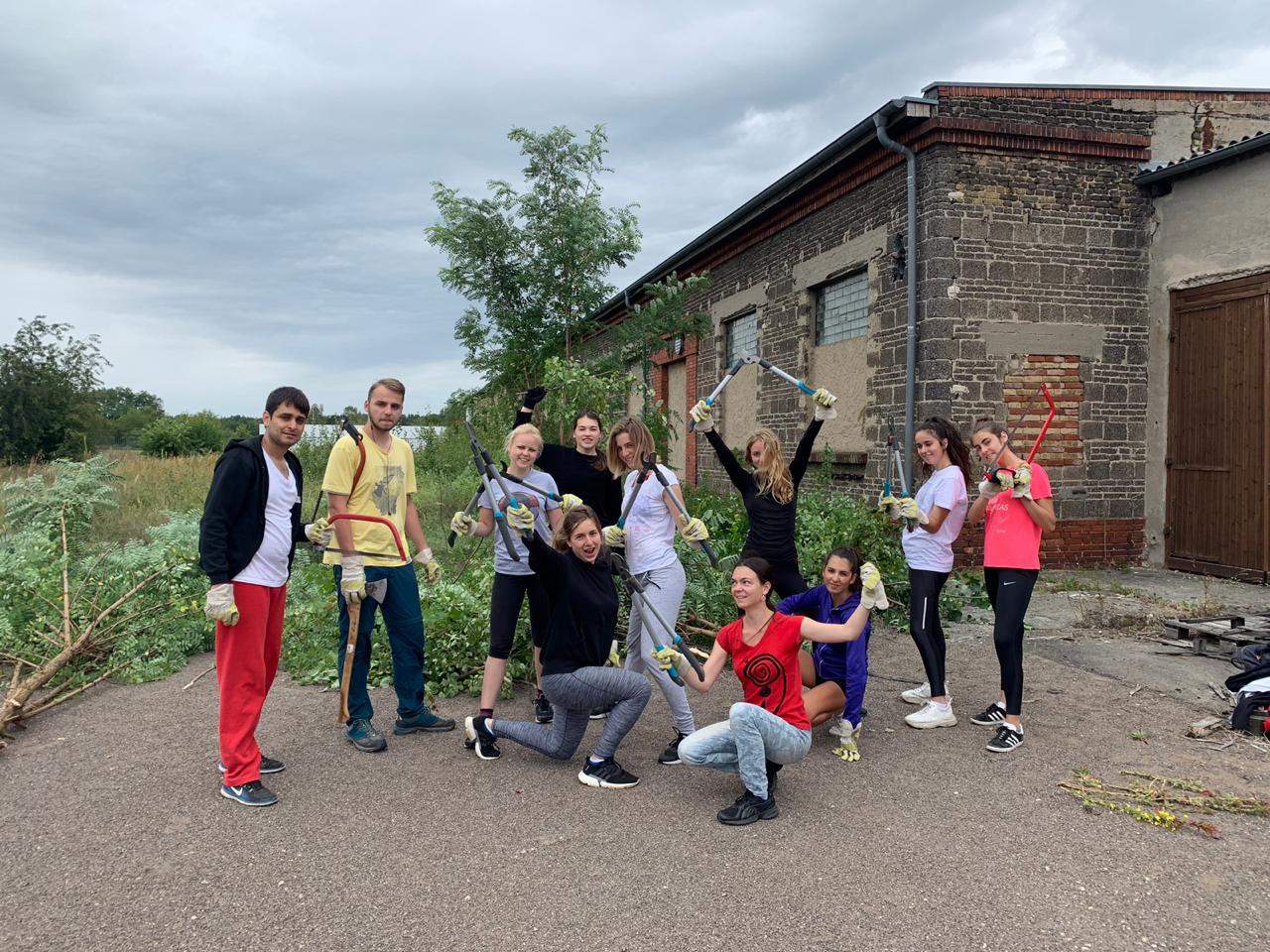
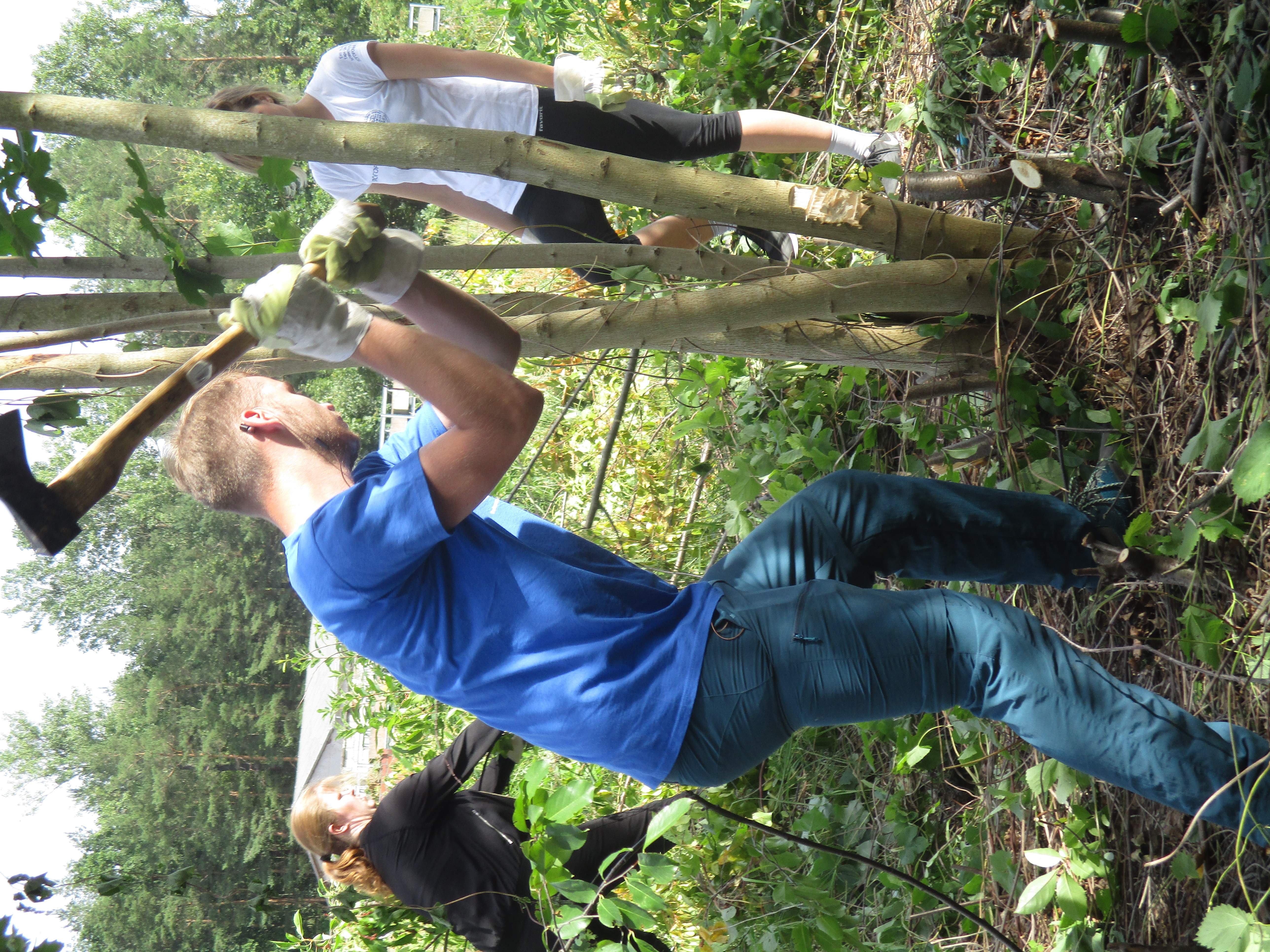
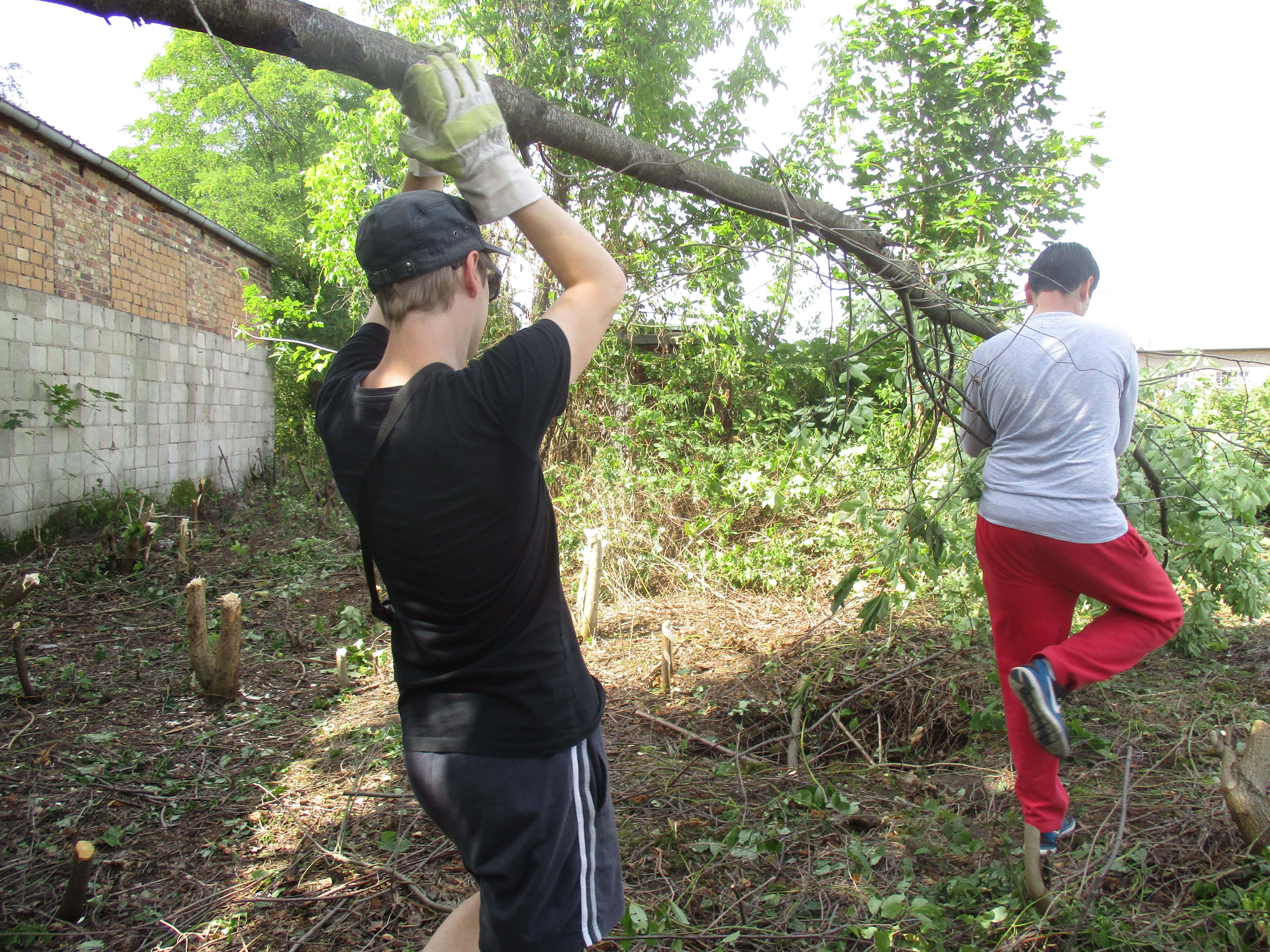
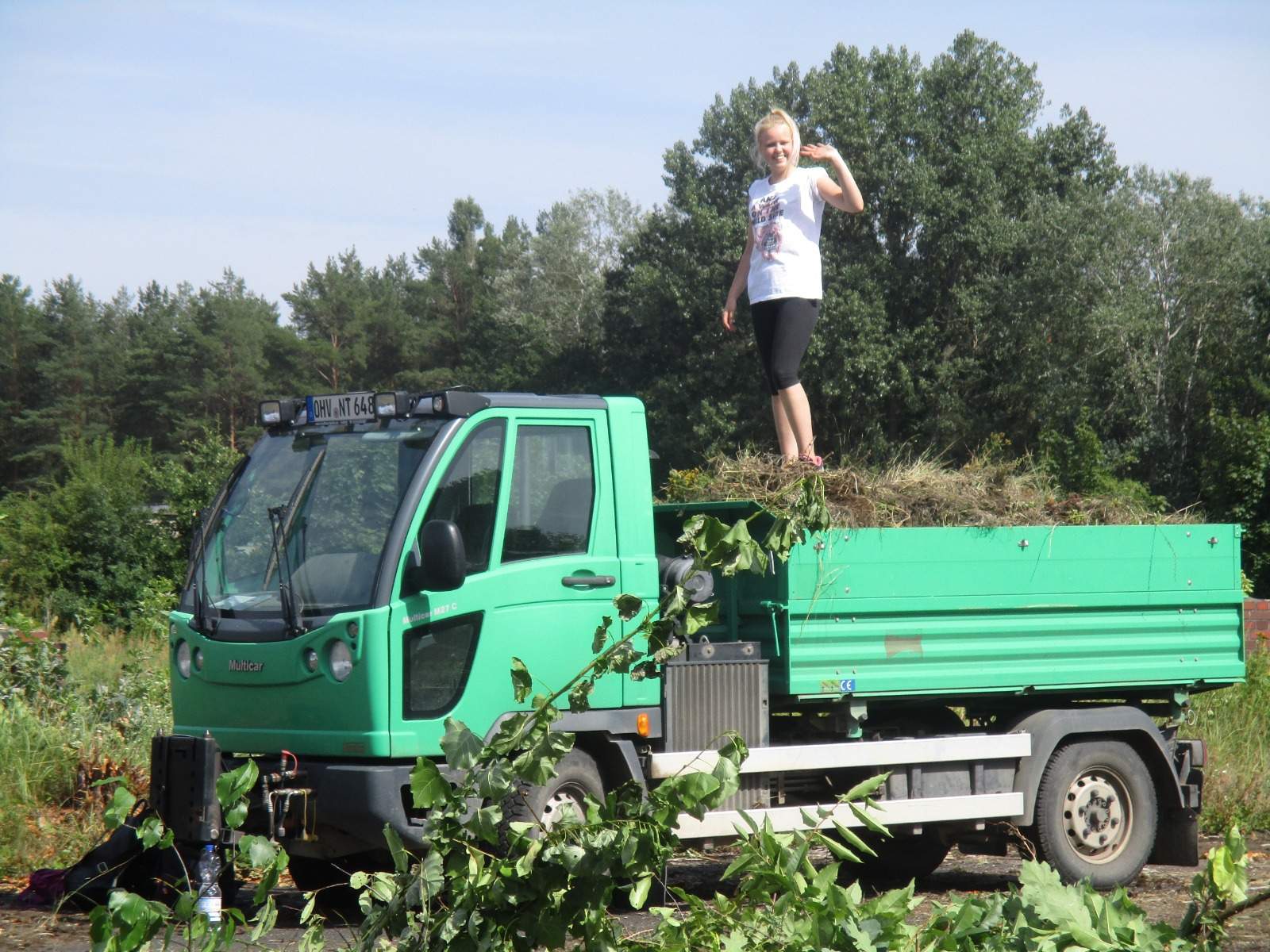
Work part: The common learning at the historical site of Sachsenhausen shall be supplemented by
manual work which constitutes the participant´s contribution to the maintenance of the
memorial. This part will be rather small.
🏠 Accommodation on site
Accomodation:
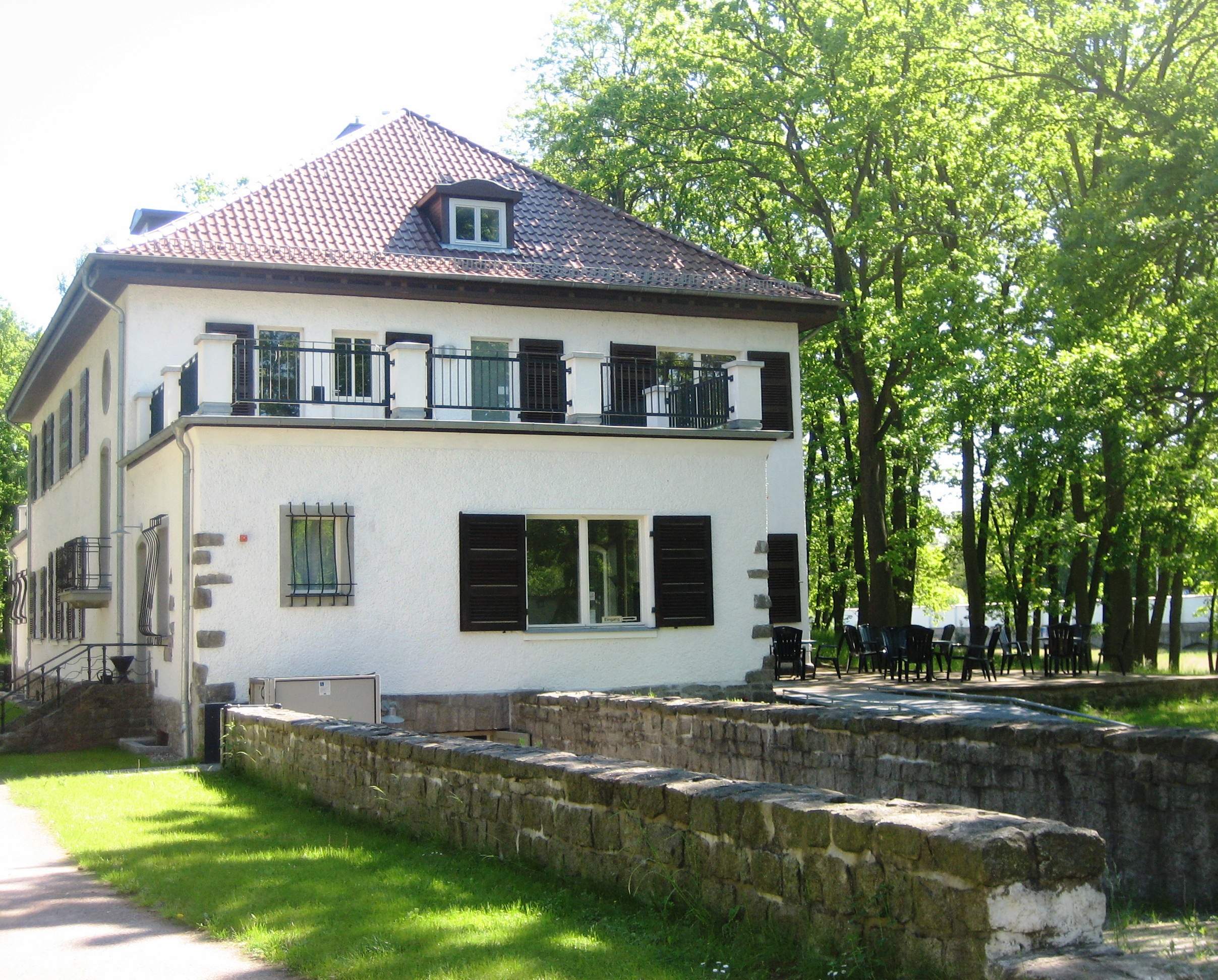
You will be accommodated in a youth hostel. The building is on the grounds of historical
Sachsenhausen concentration camp complex and was built in 1938 as the official residence
of the Concentration Camp Inspector, 2 km away from the memorial centre.
https://www.jugendherbergen-berlin-brandenburg.de/en/youth-hostels/sachsenhausen686/portrait/
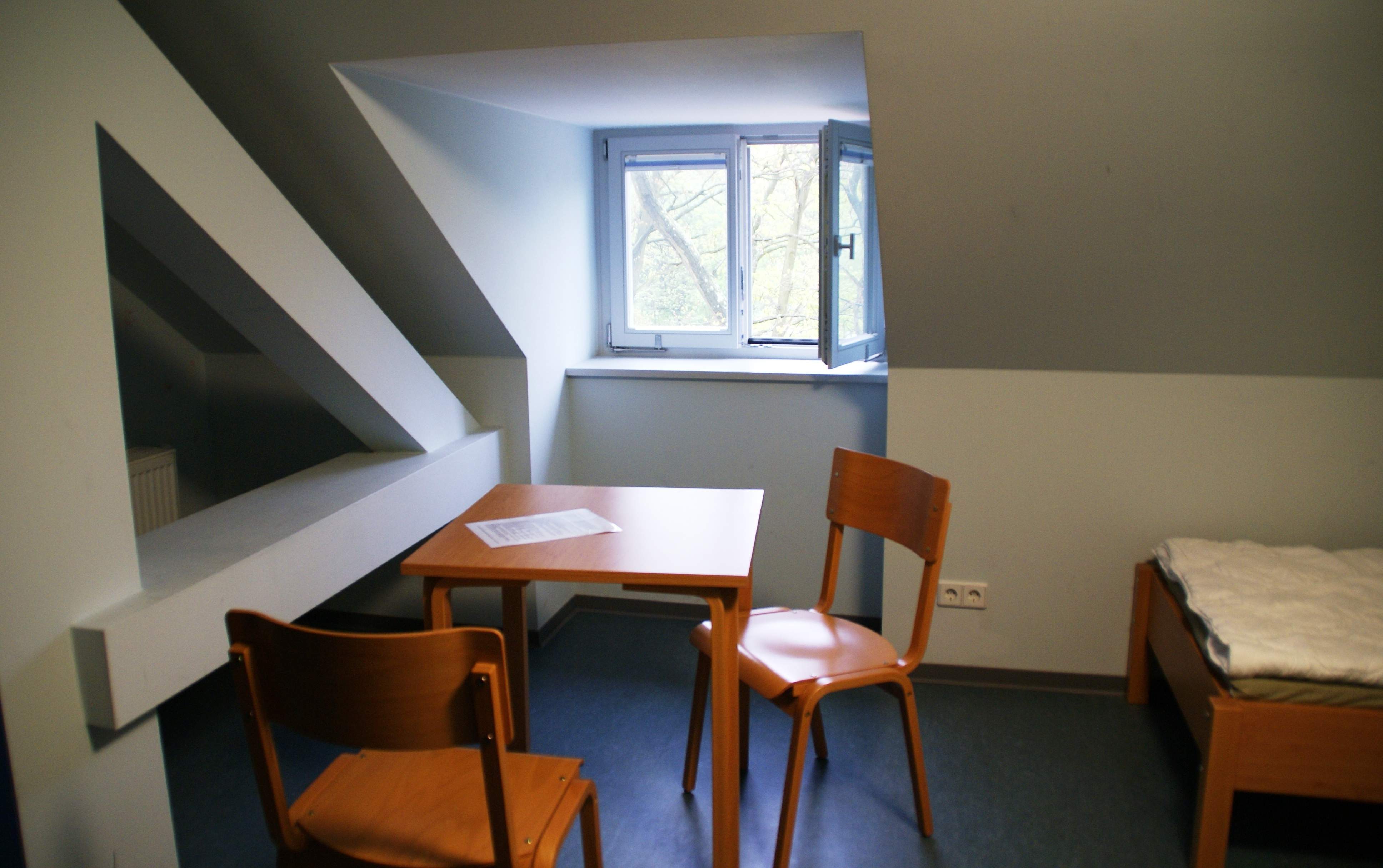
It is not necessary to bring a sleeping bag. Bed sheets and linen will be provided. You will sleep
in shared rooms with a lot of space. It is possible to use the washing machine and the dryer for
a small fee. Here you can see and read more:https://www.jugendherbergen-berlin-brandenburg.de/en/youth-hostels/sachsenhausen-686/portrait/
Food:
In the hostel there is a big kitchen for the group. Please be prepared not only to cook
there, but also to clean up afterwards! This will be done by the kitchen team of your group.
Volunteers have to cook the meals for themselves. You don‘t need to pay by yourself, the
campleader will get a budget for food from VJF. Ideas for cooking are welcome. Please
bring anything for cooking (special spices or food) with you.
📍 About the location
Area:
Sachsenhausen is a part of Oranienburg, ca. 33 km to the north of Berlin. Sachsenhausen was
one of the earliest concentration camps in Germany, built in 1936. For example, German
people who were in opposition to Nazi policy, homosexuals, so-called asocials, criminals,
Jews, and during the war especially people from occupied countries were imprisoned, forced
to work and a lot of them were murdered. Between 1945 and 1950 a part of this area was used
as a so-called Special Camp of the Soviet Secret Service
Leisure:
Important! Volunteers have to be able to ride a bike, because various shorter and longer
bicycle-tours are planned. Bicycles are provided, but helmets are not.
In the free time it's possible to go to Berlin or Potsdam. Volunteers will find many forests
and lakes to walk, cycle or just relax. However, the free time activities will mainly depend
on participants' ideas. Volunteers should be prepared for the organisation of evenings
about their country, including special topics.
⚠️ Requirements
All participants should have a very good knowledge of the English language and should be
very interested in history and the present problems of neo-fascism and racism.