📝 Detailed information
🏢 About the local organisation
This workcamp is part of the 2022 IBG agenda: “Let\'s take action for climate protection – volunteering for forests and peatlands“. The biggest peatlands in the north of Bavaria are located in the Fichtel Mountains. Peatland are wetlands which are characterized by living moss plants. Peatland arises because of incomplete decomposition of organic material, usually litter from vegetation, due to water-logging and subsequent lack of oxygen. Therefore, big layers of undecomposed organic material (mostly mosses), the so called peat is accumulating. In this way a big amount of carbon is stored within these soils.
Peatlands are real climate heroes: On average, peatland stores about 700 tons of carbon per hectare, six times more than one hectare of forest. Around 150 to 250 million tons of carbon dioxide are trapped worldwide in the peat that is newly formed every year and is thus permanently removed from the atmosphere. This is twice the amount agreed by the contracting states in the Kyoto Protocol as a worldwide reduction target. So the more intact peatlands we have, the better it is for our climate. Besides being real climate heroes, peatland is also featuring a rich biodiversity with rare plant and animal species. A very important species in the region is the Capercaillie or wood grouse. It is a large bird that is threatened in Germany and of special conservation interest.
In this project you will take action for climate protection and help the forestry department of “Selb“ in their efforts to protect the remaining active peatland in that region. Besides the work in the peatland you will also support the forestry department in their conservation efforts for the wood grouse. The local hosts are very happy to be supported by a workcamp to protect the important peatlands and wildlife! Not only is your help valuable to them but they are also very happy to share their knowledge about forest preservation to foreign volunteers. By volunteering in this project, you are actively supporting climate action (UN SDG13) as well as protecting nature and biodiversity (UN SDG 15).
💼 What the programme involves
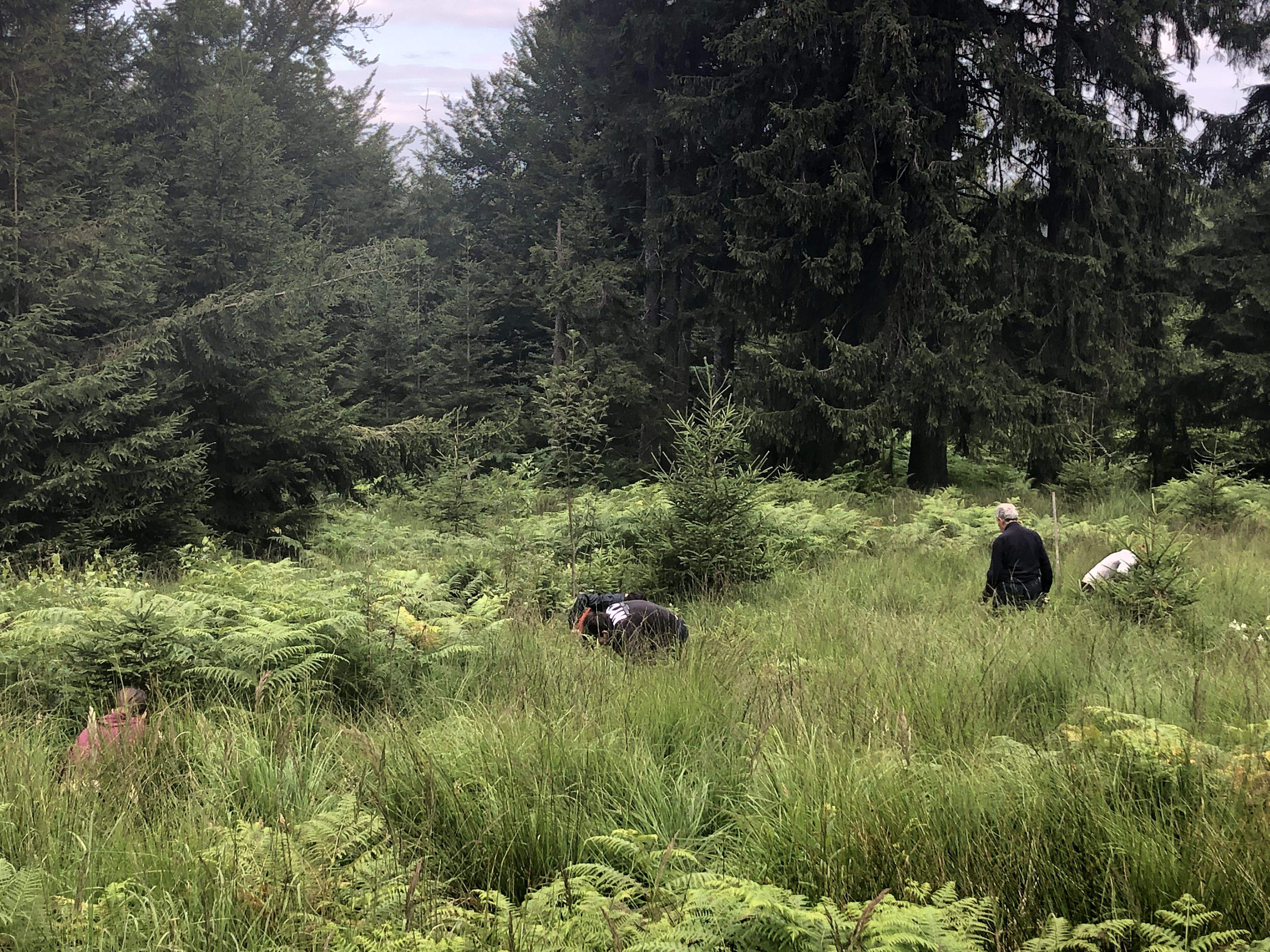
Help to protect one of the biggest raised bogs in the north of Bavaria and support the forestry department with wildlife conservation work! The Zeitelmoos is one of the biggest peatlands in that region. A big problem in peatland is the growth of woody plants such as shrubs and trees. The trees were able to spread because the peatland was damaged in the past. Trees have a negative effect on the availability of water and the amount of carbon that can be stored. You will therefore:
• clear the shrubs and trees, that don\'t belong in the peatland;
• collect the removed vegetation and stack it on piles out of the bog or move it directly out of the forest.
Besides of the work in the peatland you will help to protect the Capercaillie, a local bird species, in its natural habitat at the “Schneeberg“, the highest mountain in the region. In order to bring more light into the dense forest, you will create open spaces and gaps at certain places so that more light can reach the forest floor. In this way you helpthe Capercaillie since it is a realtively big bird that needs some space in between the trees to move around. Besides this, the vegetation on the forest floor is changes with more light available on the forest floor and therefore more herbs and small shrubs. In this way wild blueberries can grow again – one of the Capercaillie\'s favourite snacks. Finally, by creating bigger gaps you also help the birds perform their specific mating ritual under the best circumstances. In this ritual, the male birds make a big show raising their tail feathers, moving and singing in order to impress the females.
The work will be led by forest workers from the forestry department, so no previous experience is needed. Some days, you might be split up in smaller groups to do different tasks. You will work around 30 hours per week, somewhere between 8am to 4pm from Monday to Friday with a 1-2 hour lunchbreak. To get to work transport vehicles are provided by the forestry department.
🏠 Accommodation on site
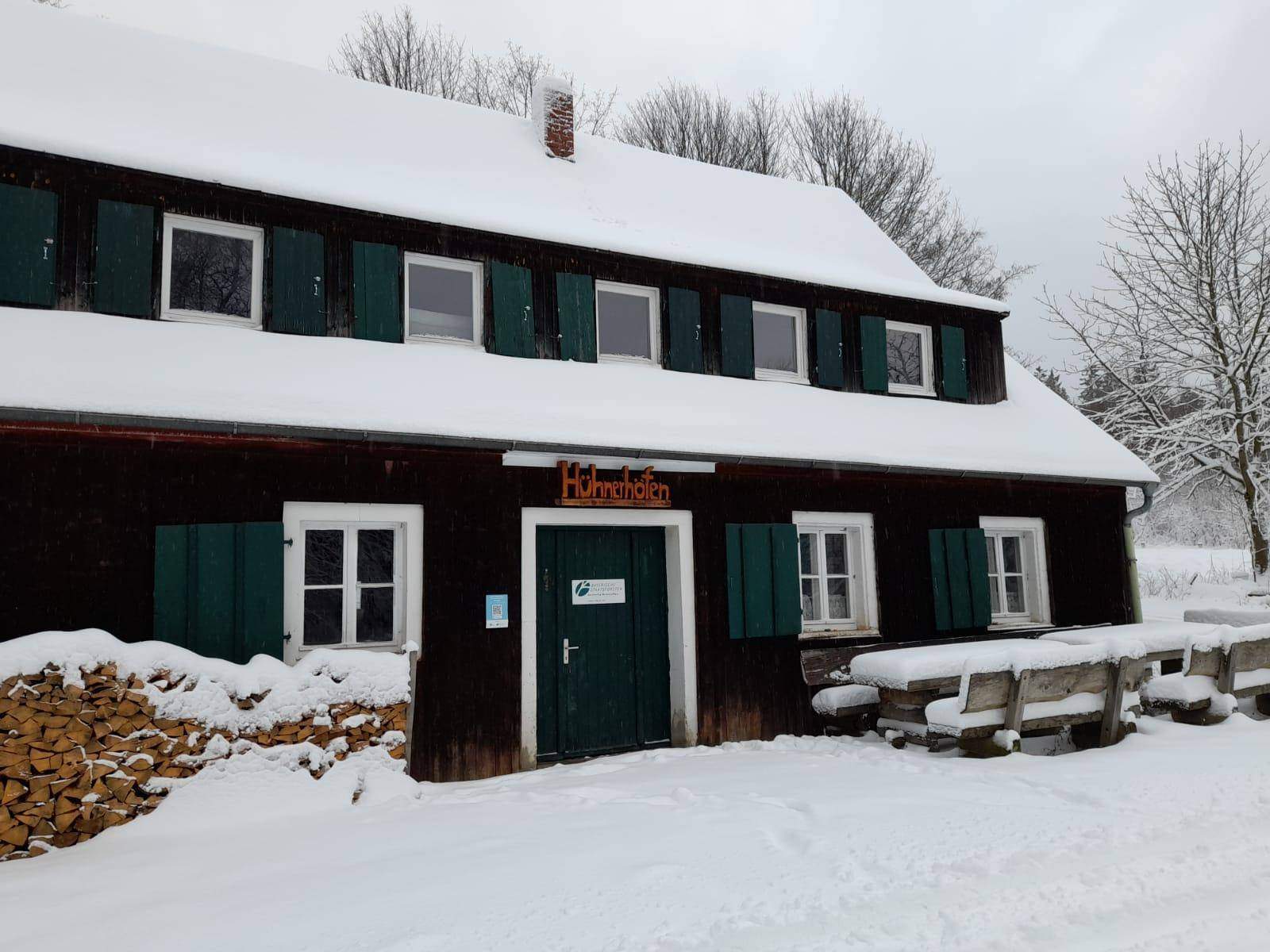
During the two weeks you will be living in one of the forestry department’s huts close to Weißenstadt. The hut is in the middle of the forest and in an area that has been a big peatland in historic times. A nearby hamlet is therefore called “Torfmoorhölle” which means something like “peat-bog-hell”. This may give a hint on how the people back in the days have perceived the swampy and inhospitable wetlands. The accommodation is close by and part of an old abandoned village called Hühnerhöfen that has quite some history you may find out about.
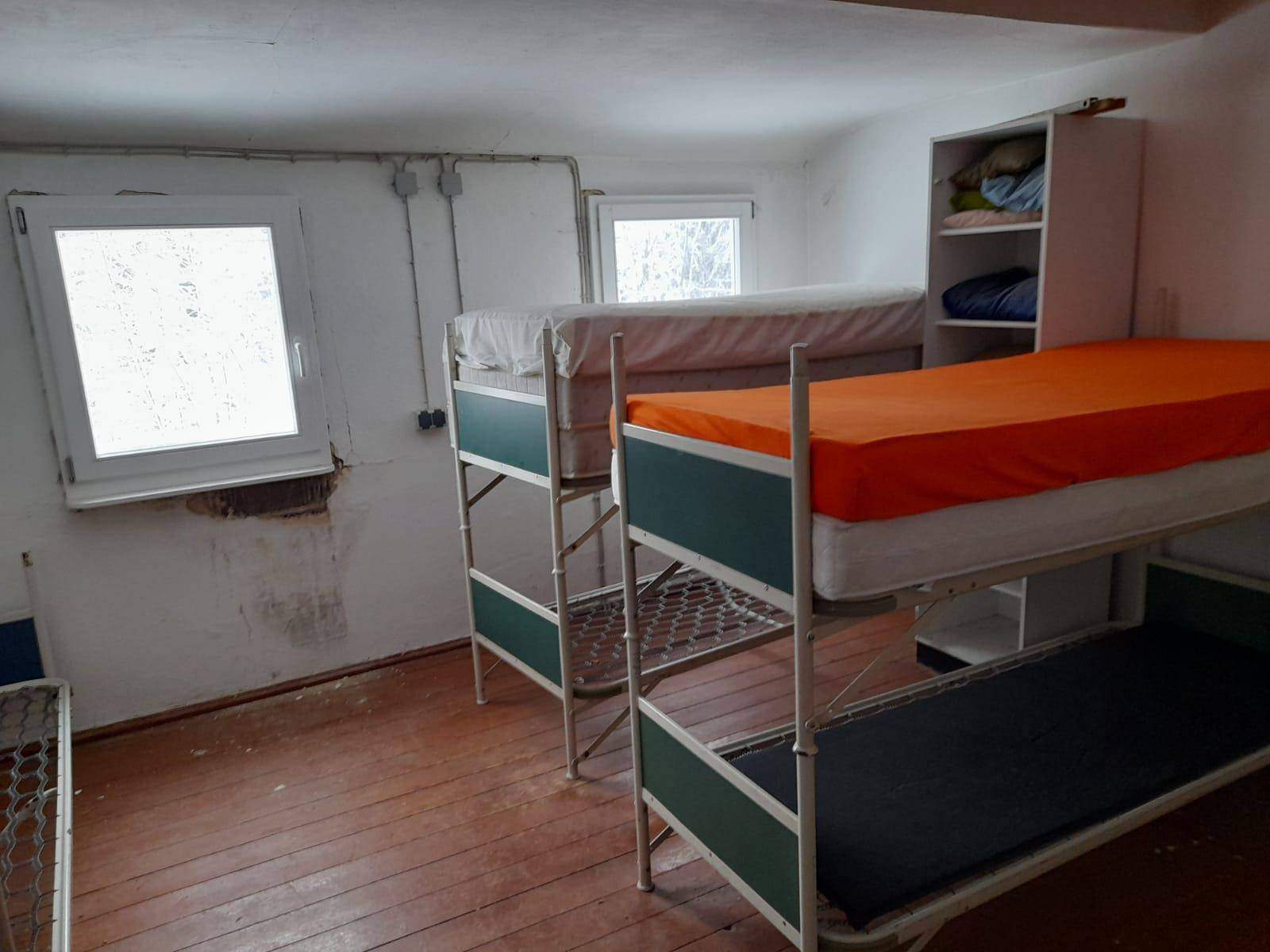
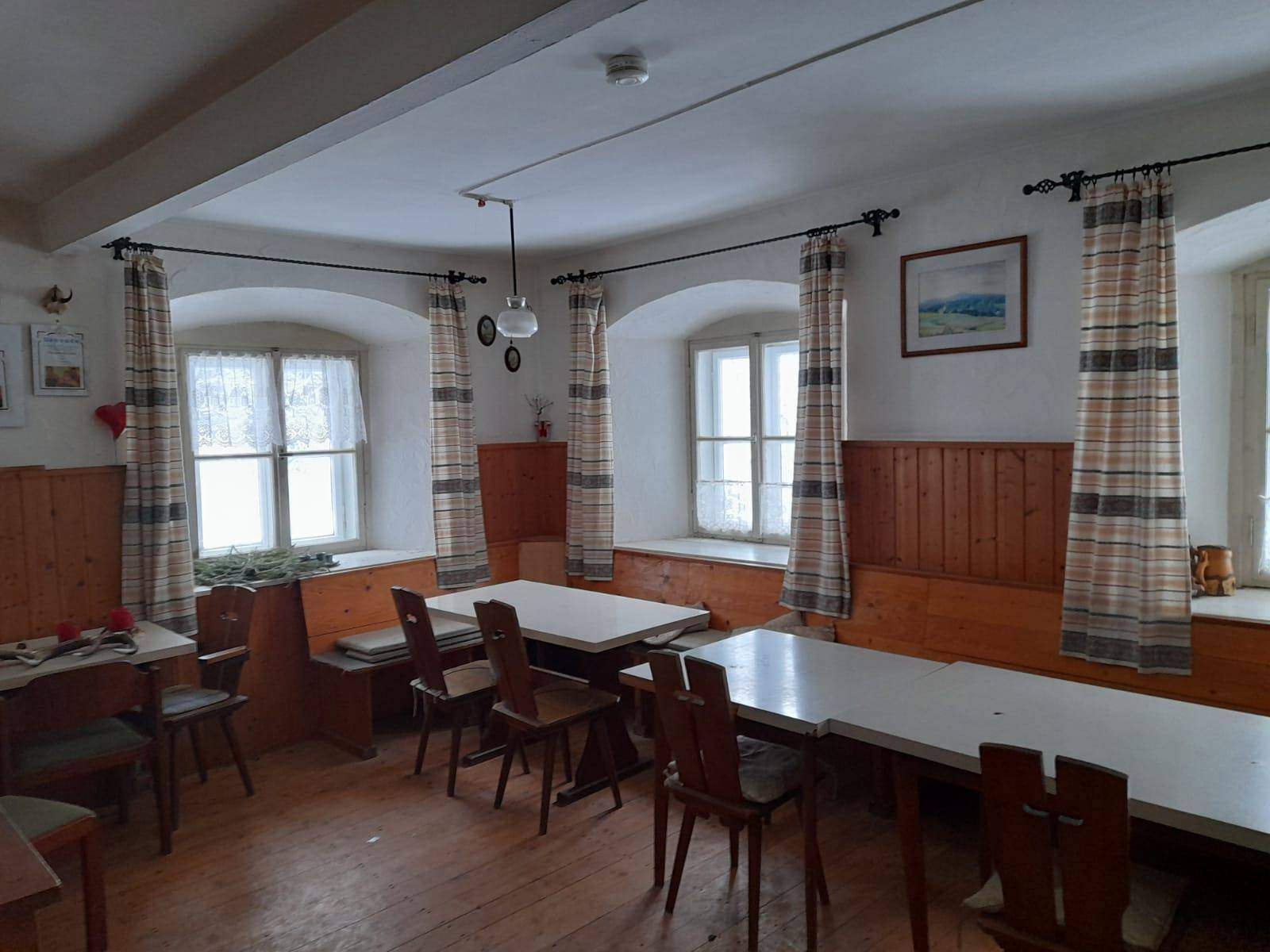
Your accommodation is the last farm building left in the abandoned village. It is cosy and spacious, with several dorm rooms, a community room, a kitchen as well as showers and toilets. Please, bring your own sleeping bag! You will buy food from your camp budget and share cooking duties with all other volunteers - a great possibility for you to try many different international dishes. In order to reduce our carbon footprint on the planet, we encourage volunteers to reduce meat and try more sustainable plant-based dishes.
📍 About the location
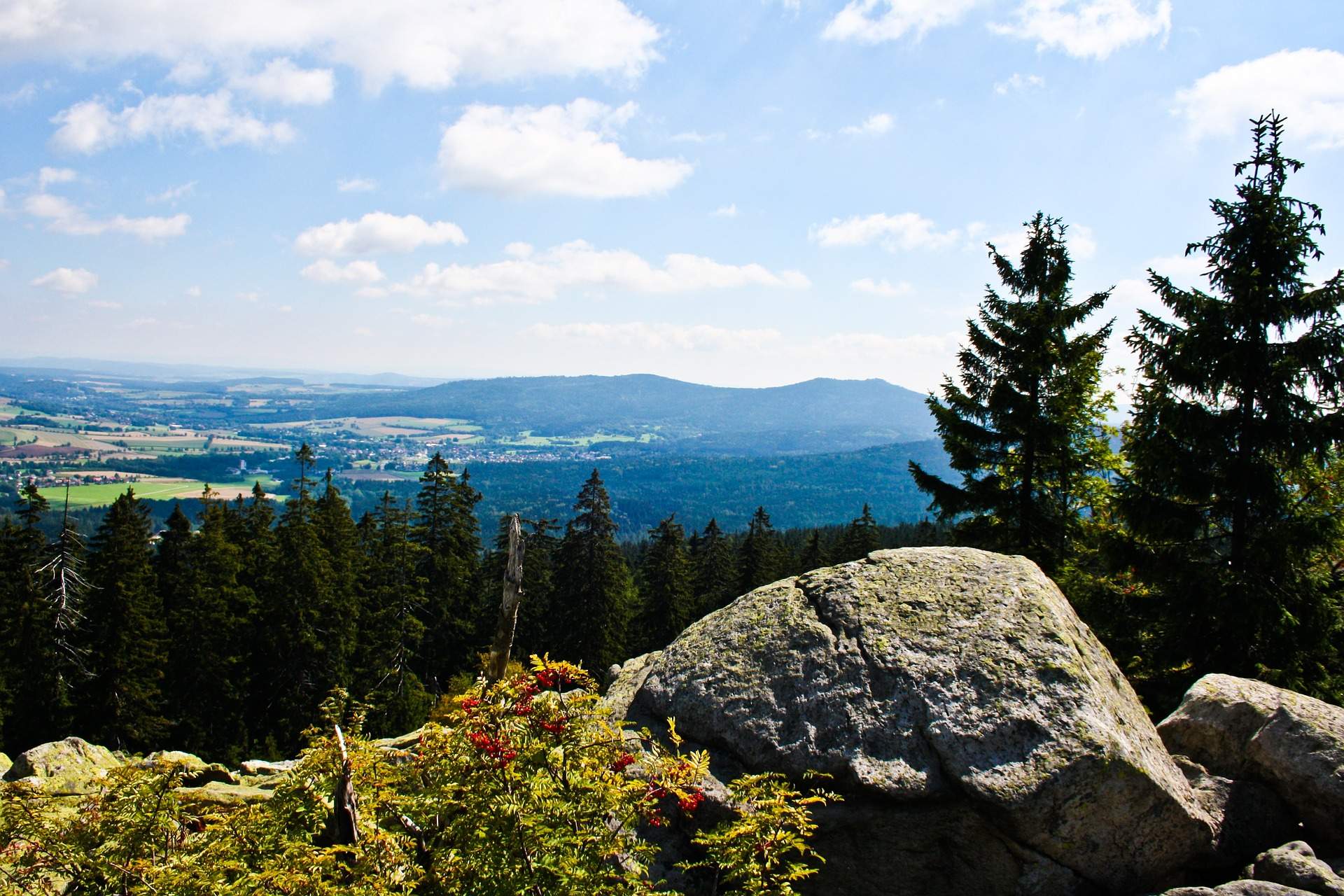
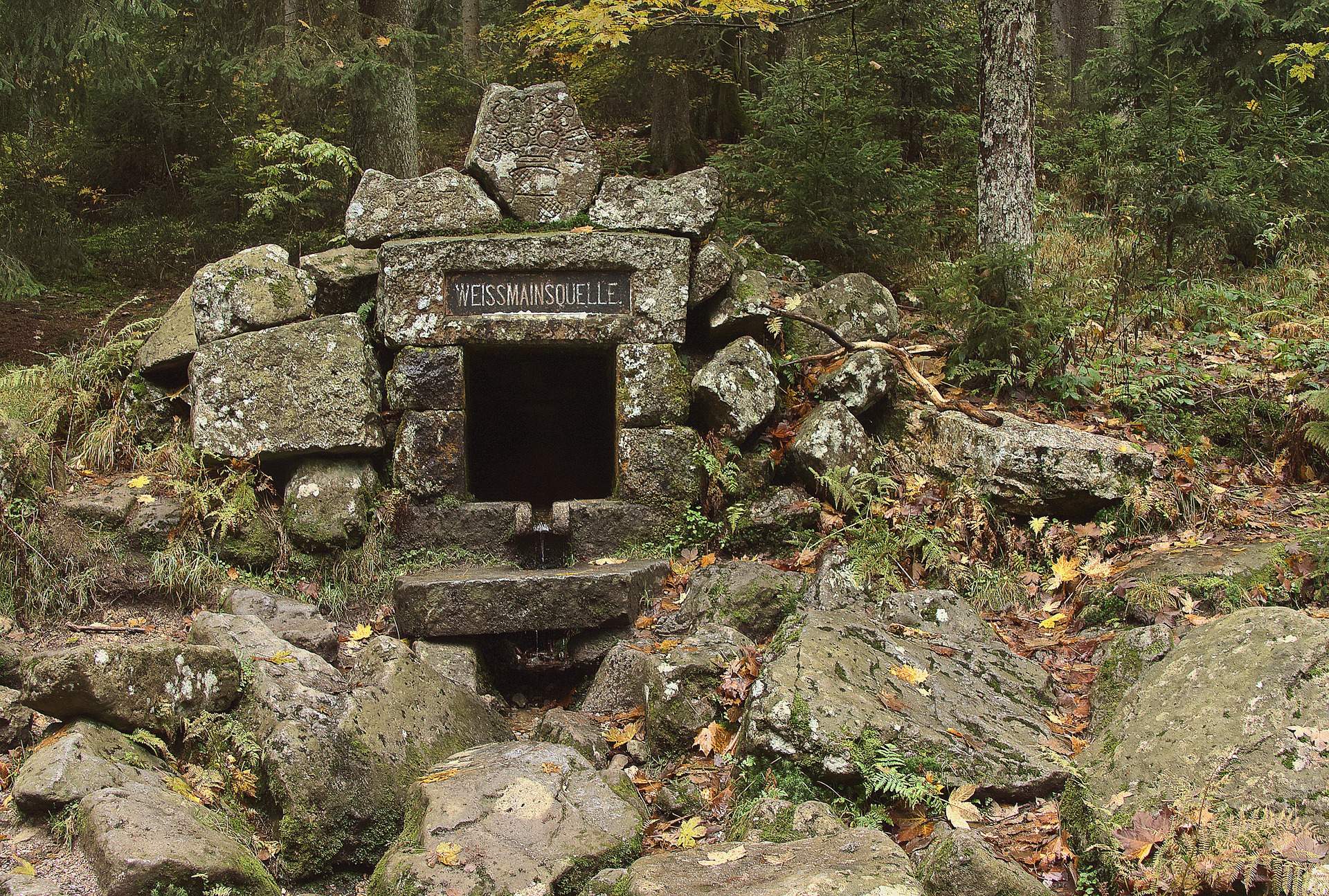
The Fichtel Mountains feature scenic landscapes with lush forests, granite rock formations and small scattered rural villages. The nature park is well known for hiking and other outdoor activities. Directly from the accommodation you can access a hiking route that connects several springs of larger streams in the area. The granite rock formations already inspired the German author and nature scientist Johann Wolfgang von Goethe. The mineral springs are also used for thermal baths in the region. For instance, in Weißenstadt you can relax and recover from work in the Siebenquell a local thermal bath. If you want to simply further explore the nature in that area after work you certainly have a lot of options to find out more about the plants in the peatland or the different tree species in the forest.
⚠️ Requirements
Due to the Covid-19 pandemic, all volunteers need to be either fully vaccinated (2 to 3 shots of one of the following vaccines: BioNtech/Pfizer, Moderna, AstraZeneca or Johnson&Johnson) or recovered (date of infection must be at least 28 days old and max 90 days old).
ℹ️ Additional information
Please bring a sleeping bag, sturdy working shoes and clothes as well as sun and rain protection.