📝 Detailed information
🏢 About the local organisation
Created in 1957, the NGO Association Togolaise des Volontaires au Travail (ASTOVOT) is one of the first Togolese associations. Laic and non-profit-making, ASTOVOT has been supporting international solidarity initiatives for several decades, but also the self-promotion of rural communities through local development projects. Today, it remains a great reference in terms of international volunteering and civic service in Togo. Every year, the NGO ASTOVOT welcomes several dozen international volunteers from European countries (Germany, Belgium, France, Switzerland, Spain, Luxembourg...) and also from Asia (Japan) thanks to its partnership with several organisations working in the field of international volunteering and civic service. The aim of the association is to :
Contribute to the animation of life through the participation of Togolese and foreign volunteers in the realization of works of general interest ;
To improve the living conditions of the local population by promoting their development and well-being by safeguarding the environment and the socio-cultural heritage;
To support socio-educational and sports initiatives in rural communities;
To promote the movement of people and goods through international and intercultural exchanges.
Since its creation, the association has carried out numerous projects in its areas of intervention in the logic of a participatory approach with local communities. The projects carried out include: construction of classrooms, eco-sanitary latrines and libraries; renovation of school and sanitary buildings; awareness-raising workshops on several themes of education, citizenship, hygiene and health; training in youth entrepreneurship and agroecology, etc.
💼 What the programme involves
Like most of the developing countries of sub-Saharan Africa, Togo faces several major challenges relating to youth employment. These are the rapid increase in the working-age population and the difficulties of employing young people. Despite the employability programs put in place by the Togolese government to promote entrepreneurship among young people, a large majority of them still lack technical and financial support to start up. Aware of this situation, Astovot has initiated a few years ago a training course in entrepreneurship aimed at young people, in order to share the necessary tools for the creation and management of their own economic activities. This initiative aims to promote entrepreneurship as an alternative to youth unemployment and to give an entrepreneurial chance to young people excluded from mainstream financial services.
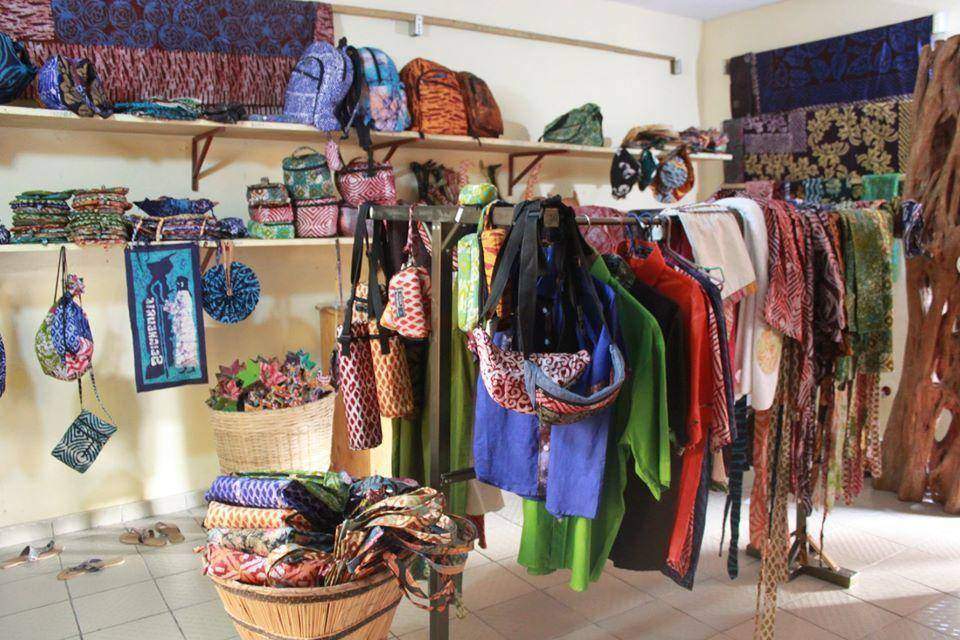
For this year, it's about identifying and supporting young people aged 18 to 35 who have graduated from vocational training or apprenticeship centers (catering, sewing, hairdressing, carpentry, upholstery, crafts, etc.) and have the ambition to start their own businesses. The project also targets young entrepreneurs 18 to 35 years old, already active but with the potential to further grow their activities.
PROJECT OBJECTIVES
The main objective of the project is to support young people leaving technical, vocational or apprenticeship training to start a business in their profession.
Provide the tools needed to start and manage an own small business.
Develop entrepreneurial skills in young people.
Encourage initiative and strengthen the self-confidence of young entrepreneurs.
Encourage cooperative work and the creation of collaborative companies.
Exchange ideas and strategies with young entrepreneurs who have already carried out their own project.
Train in the application of environmental criteria, gender equality and sustainability.
MAIN ACTIVITIES
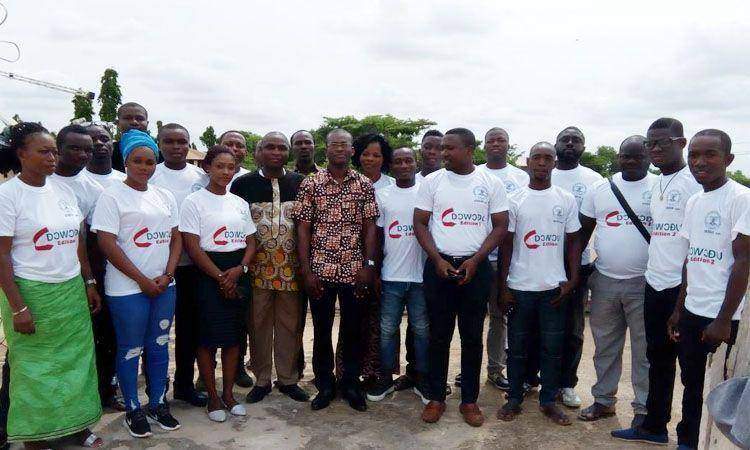
- Selection and interviews with fifteen young people at the end of vocational training and apprenticeship or young enterpreneurs that need to improve their activity.
- Development of a questionnaire for business creation.
- Carrying out feasibility studies of project ideas.
- Analysis and feedback of the results of feasibility studies.
- Organization of entrepreneurship training workshops.
- Monitoring and evaluation.
🏠 Accommodation on site
ACCOMODATION
Housing conditions are generally rudimentary, simple and specific to the location of the project. On site, volunteers are accommodated in groups of three or four people per room. The distribution per room depends on the collective organization of the volunteers themselves. Depending on the location, volunteers can use dry toilets and showers without tap water. The association available to volunteers some plastic or foam mats. Volunteers can bring sleeping bags with them if possible. There is access to drinking water on the site. However, access to electricity and the internet may be limited. This is due respectively to the blackouts and the difficulties of accessing the Internet.
FOOD
During the entire period of the workcamp, it is the volunteers themselves who prepare their own meals. An internal organization will make it possible to create groups which will alternate to take care of the different household tasks including cooking. Food products used for cooking are both imported and local, and sometimes organic. The diet of each volunteer will be taken into account in the preparation of meals. Volunteers will have access to tropical fruits such as bananas, oranges, pineapples, mangoes, avocados, papayas, etc.
📍 About the location
LEISURE
In addition to the main activities of the site, several other activities are organized such as discovery walks, hikes, parties or cultural meetings. These activities allow volunteers to get in touch with local populations but also to discover Togolese culture.
During the weekends, collective excursions are organized by the volunteers and their leaders to discover the tourist sites of the region where the workcamp is taking place. It should be noted that expenses related to excursions and outings of volunteers are not included in the participation fees. However, the association can facilitate or negotiate transport for volunteers during outings or excursions.
⚠️ Requirements
Astovot further encourages applications from volunteers with a strong interest in youth entrepreneurship and with management experience; this will be a great asset for the project. They can share their experiences with local volunteers and project beneficiaries. Local and international volunteers will be networked before the start of the workcamp, in order to share their experiences and reflect together on the tools to be put in place for the success of the project.