📝 Detailed information
🏢 About the local organisation
The history of Open Houses Network dates back to the mid-1980s, when a group of young people started to restore village churches in East Germany in voluntary work to protect them from decay. The engagement for these buildings united people who enjoyed the freedom these activities provided and who filled these rooms with life again in ways which by far exceed the craftsmen's work done – through exhibitions, concerts, making music together or just sitting by the camp fire.
Meanwhile, rooms free of political and ideological pressure are no longer urgently required; however, places have become rare where people can meet without commercial pressure, free of bureaucracy and institutionalism, free of nepotism and the exclusion which it produces. What should be easy – to go somewhere in order to meet people and to work together – has become difficult. The tightrope walk between, on the one hand, public activities in a monetary and functional sense, and the retreat into private life on the other, is very difficult, and it requires a lot of power and permanent efforts to tackle red tape and financial restrictions.
Free spaces are less and less understood as common property, and are permanently being cut back. The idea of public property seems to have gone out of fashion, and places of common responsible work have become rare.
Open Houses Network tries to create and protect such spaces. In this process, we do not want to be the do-ers, but be people who have a vision, who want to initiate something, but who also are aware of depending on the co-operation of others. We understand our projects and events as offers – as offers to create space for commitment, for changes, for meetings.
💼 What the programme involves
Organising and leading an international Workcamp is an interesting challenge for those who enjoy working together with young people from all over the world and which are willing to take over responsibility.
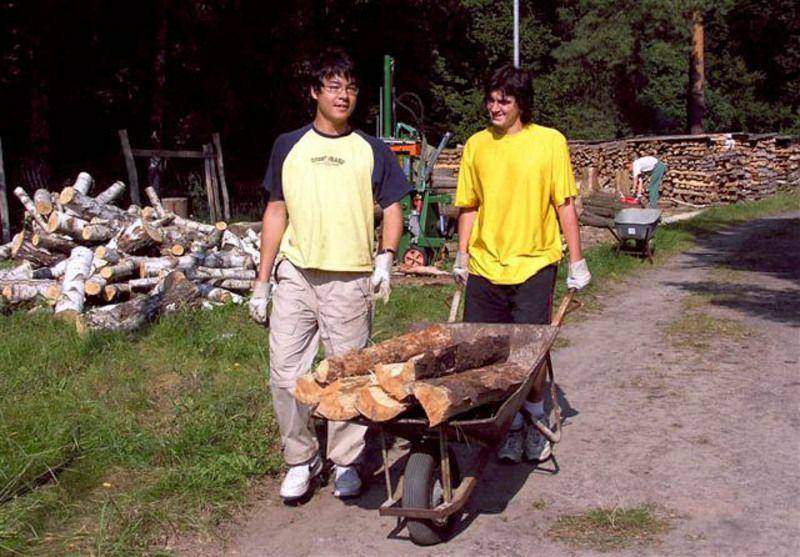
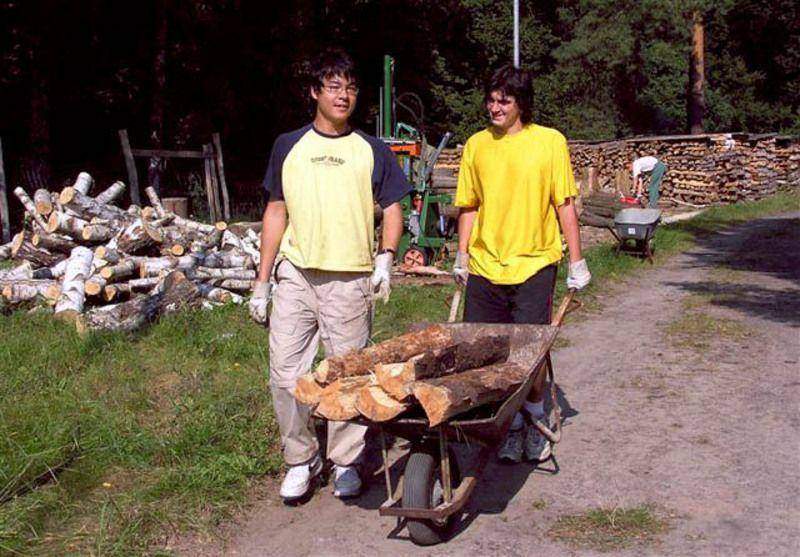
For young and older people more interested in the technical side of the works than in the organisation of the social life Open Houses offers the possibility to support the technical leading of Workcamps and Building Weeks in the framework of Mid Term Volunteering. This could be an interesting task for those which have own manual experiences and interest in activities related with the environment or for those which want to train their organisational skills.
The leading of the technical side of the Workcamps lies in the hands of one of Open Houses' technical leaders. The volunteer who supports him can overtake a part of the technical leaders' responsibility. Depending on the wishes, the skills and the experience of the volunteer this can be the organisation of the schedule of the working day, the responsibility for tools and material, the leading of a smaller group of volunteers or more special tasks.
For students of architecture, building engineering and similar fields this kind of voluntary service can be recognized as internship for their studies. Open Houses will offer the necessary certificates. For each camp leading of two weeks the volunteer receives 150 € pocket money. S/he does not have to pay for food and accommodation and can take part in all cultural activities and excursions of the camps. After two or three camps, is highly reccomended that the volunteer takes a break. S/he have the right to stay as a participant in a project. In that case, the food, accomodation and insurance is covered but the volunteer will not receive pocket money.
🏠 Accommodation on site
ACCOMODATION
In Lohra castle: Shared rooms with 2 - 5 beds in 3 guest houses, warm shower (limited hot water), 1 camp kitchen (cold water), coal-burning stoves.
The camp leader can also go to other camps with similar accomodation conditions, but this will be previously agreed with the participant.
FOOD
The meals will be prepared together as they are part of the community life, what means that every participant will be responsible for the meal at least once during its stay. So it would be very nice if the participants could bring typical recipes from home in order to introduce each other to the preparation of food from all over the world.
📍 About the location
The camp places are mostly situated in small villages in rural areas, so the participants should not expect busy places and normal city activities for the leisure time during the working days. Small trips in walking distance are possible in the afternoon. On the weekends it is possible to organise an excursion to nearby cities or to have other leisure activities.
⚠️ Requirements
-Good English
-Motivation letter related to the project
-CV + photo