Water shed conservation in Guanacaste
Code: b95243af-aeb8-11f0-8df3-fa163ef8d720 Copied
About the project
Water shed conservation in Guanacaste
📝 Detailed information
🏢 About the local organisation
The Nandamojo watershed is located on Costa Rica’s northwest coast in the province of Guanacaste. The watershed encompasses 29,000 acres, from the community of 27 de abril to Playa Junquillal, where the river empties into the sea.
More than any other factor, it is climate that defines the challenges and opportunities in this part of Costa Rica. Temperatures can climb over 100 degrees and there are two distinct seasons: wet and dry. The winter dry season, which starts in November, is caused by trade winds that blow in from the Caribbean. As this air moves west across the country it loses moisture, reaching Guanacaste as a gusty dry wind that desecrates the landscape. In May, the trade winds shift and allow offshore weather from the Pacific to bring afternoon showers and humidity. For the next six months, rivers and lowlands areas are filled with water and the landscape is a jungle of green. This “tropical dry forest” supports a unique ecosystem of flora and fauna.
Geography as well as climate has influenced human activity in this region. Guanacaste was sparsely settled until the 1900s, and the agricultural communities in the Nandamojo River Valley were largely isolated from the rest of the country. Fertile lowlands, ample drinking water in the dry season and nearby forests teeming with wildlife sustained a self-sufficient rural population that actually exported grains, livestock and timber to the country’s metropolitan areas.
💼 What the programme involves
Description of work:
Volunteers will be working in:
● Guanacaste Water Center Signaling Project:
Recognize the need of specific signaling requirements inside the conservation area, and generate the materials for it. Signaling goals are focused in tree and special plant species recognition, but also environmental awareness and wildlife information.
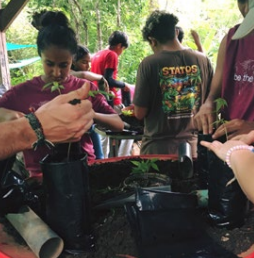
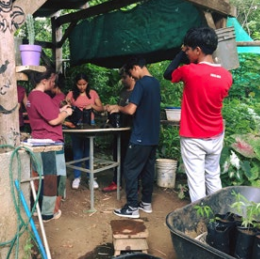
● Nursery Work:
transplanting, arranging plants, plant maintenance, pruning, gardening, plant preparation.
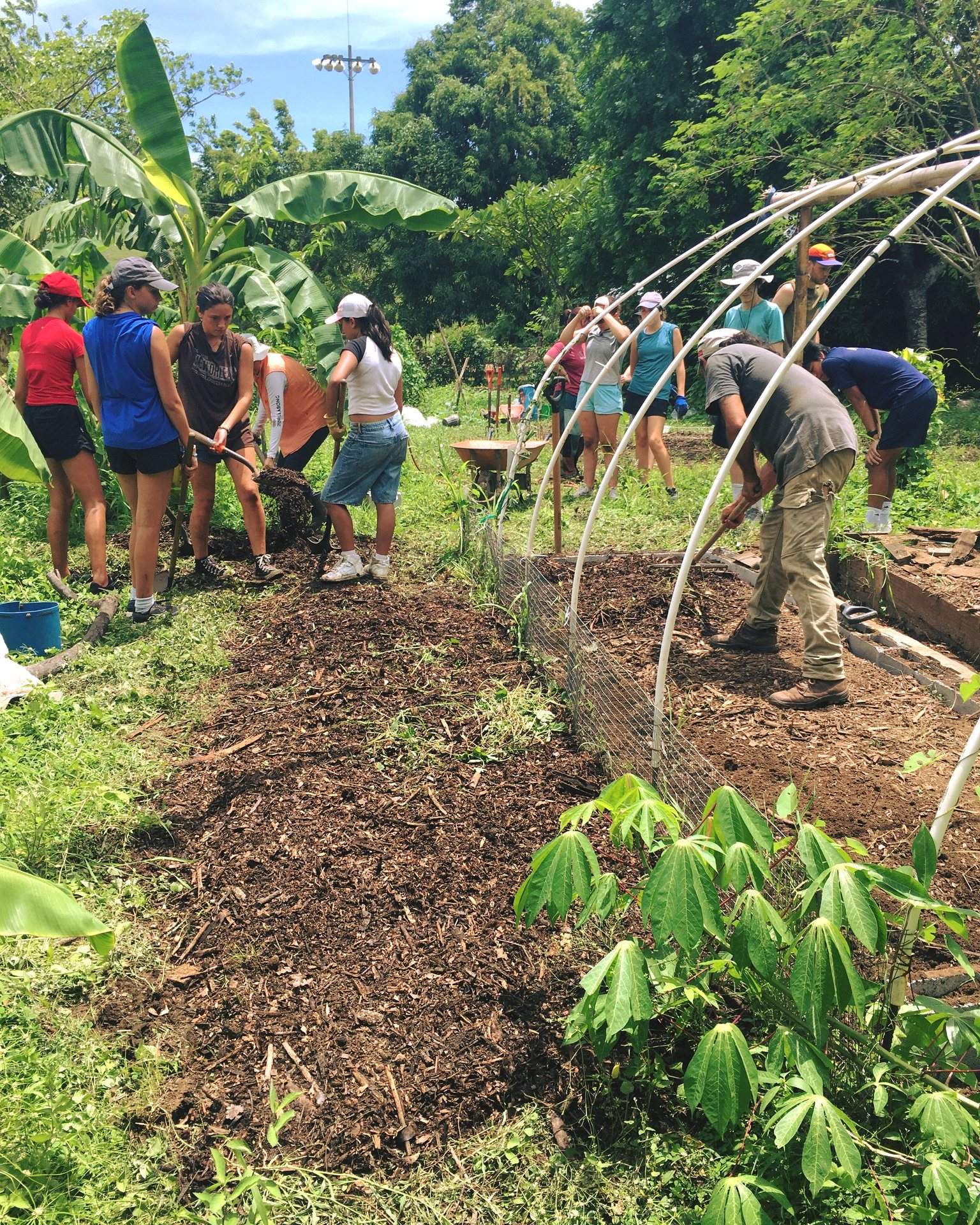
Work on the reproduction of tropical plants that are used in the restoration of the environment and the water shed. Typical work includes seeds reproduction, plants maintenance and planting for their establishment in the field.
● During the dry season, we have other activities such as irrigation
Plants have requirement of irrigation during the dry season and the volunteer will support the efforts to make the new planted trees to survive the dry period.
● Social media support
Compile media resources to improve the social media and promotion strategies of the organization. This includes the visit and a follow up on initiatives and parallel areas of the Center.
🏠 Accommodation on site
Volunteers are hosted by a Costa Rican host family selected by ACI Costa Rica.
Accommodation includes meals and a private or shared room depending on availability.
📍 About the location
Junquillal, Guanacaste
Junquillal is a small coastal community located in the province of Guanacaste, Costa Rica. It is known for its natural beauty, pristine beaches, and laid-back atmosphere
⚠️ Requirements
- Interest in ecological restoration
- Desire of learning about sustainable water management
- Interest in forest ecology and climate change mitigation
- Willing to get involved into tropical tress nurseries and maintenance
- Intermediate Spanish or English level
- The volunteer should be passionate and motivated once in the project.
- If the volunteer smokes, they have to do it outside of the house.
- The weather can be really hot and rainy during the rainy season.
- To be able to occupy yourself in your free time, as there will not always be activities to do.
- The volunteer should bring outdoor clothes and shoes, hats and sunscreen.
🤝 Meeting point
Volunteers will be picked up at Juan Santamaría International Airport (SJO) in San José.
ACI Costa Rica organizes the transfer to the hostel and provides a one-day orientation in San José including a city tour, cultural introduction, safety instructions, and transportation guidance.
ℹ️ Additional information
The Extra fee indicated covers a period of TWO WEEKS, and includes:
- Transfer from the airport to a hostel in San Jose.
- Two nights in a hostel in San Jose, breakfast included.
- Orientation day, a day in which we give a cultural introduction to Costa Rica, safety and transportation recommendations, directions to the project and a tour of San Jose with lunch included.
- Accommodation and meals at the project.
The program has flexible dates depending on the availability of the project, with flexibility from 2 weeks to 4 months, but this includes an additional fee to the indicated fee.
Interested in this project? Create your account and apply online.
Sign in to apply📷 Project photos
📅 Available sessions
ACICRC21-20
01/01/2024 at 00:00 → 31/12/2028 at 00:00
ℹ️ Key information
Age required
18–60 years old
Solidarity donation
880.00 USD ≈ 788 EUR
French tax residents may be eligible for a tax reduction of up to 66% of their costs (membership, plane tickets, solidarity donation).
📍 Location
56Q8+H88 Santa Cruz, Provincia de Guanacaste, Santa Cruz, Costa Rica
Costa Rica
🌍 Location info
Local currency
Costa Rica Colon (CRC / ₡)
Exchange rate
1 CRC = 0.001986 EUR
Rate as of 31/05/2026
Timezone
Central Standard Time
Local time: 21:29 (12/11/2026)
🛡️ Before you leave
✅ Features
🏠 Accommodation
🗣️ Languages spoken