📝 Detailed information
🏢 About the local organisation
Open Houses is a non-profit network dedicated to the preservation and reactivation of historic buildings and sites as shared cultural spaces. Rather than treating heritage as static or purely commemorative, Open Houses understands historic places as environments shaped through continued use, dialogue, and collective responsibility. The organisation initiates and supports projects that combine hands-on conservation with cultural, educational, and community-oriented activities, enabling sites to remain physically accessible and socially meaningful. The main objective of Open Houses is to reactivate historic sites as living parts of their communities, supported by international volunteers who contribute to their conservation and rehabilitation through practical engagement.
The origins of the organisation date to the mid-1980s, when volunteer groups in East Germany began restoring endangered village churches. These efforts quickly evolved beyond repair work into the reanimation of the buildings as lived spaces for exhibitions, music, discussion, and communal engagement. This approach (linking practical preservation with active participation) remains central to Open Houses today.
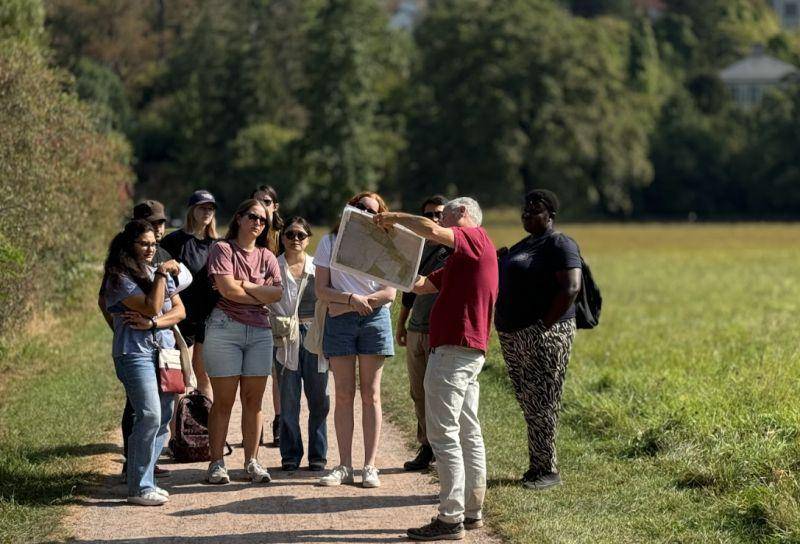
European Heritage Volunteers is an international programme network initiated and administered by Open Houses to extend these objectives across Germany and beyond. Conceived as a platform for capacity building in the heritage field, it brings together students, emerging professionals, and skilled craftspeople to participate in hands-on conservation projects, training courses, and educational initiatives at heritage sites. The programme combines practical work, such as traditional building techniques, landscape conservation, documentation, and maintenance, with structured learning components addressing heritage theory, site management, and cultural context. Implemented in cooperation with site owners, conservation authorities, and partner organisations, European Heritage Volunteers functions as a bridge between professional heritage practice and international exchange, fostering the transmission of traditional skills, interdisciplinary learning, and shared responsibility for the safeguarding of cultural heritage.
💼 What the programme involves
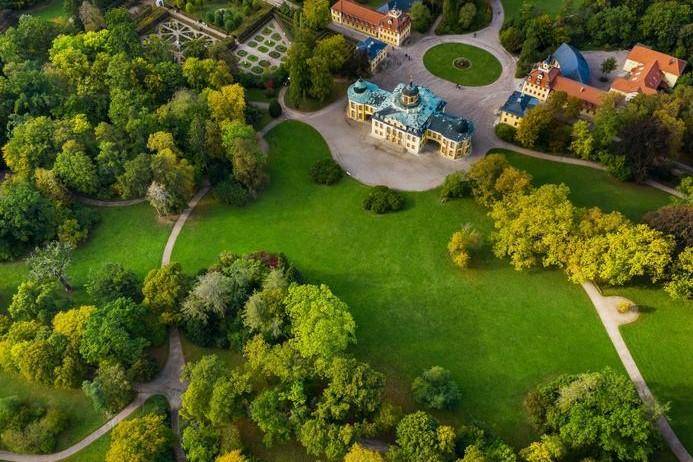
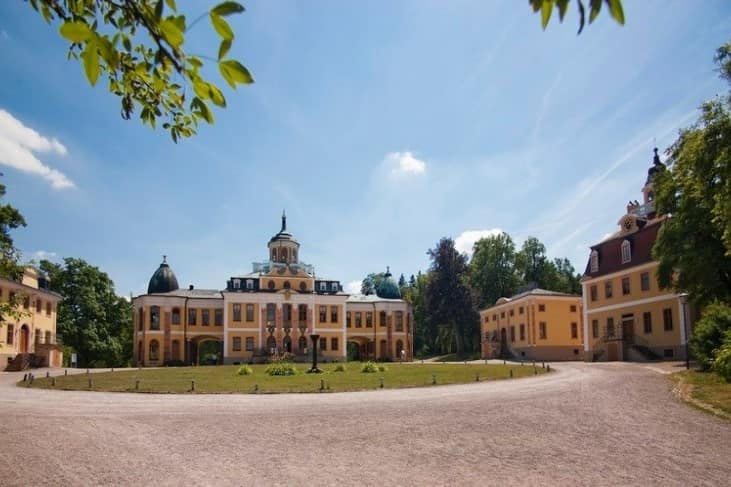
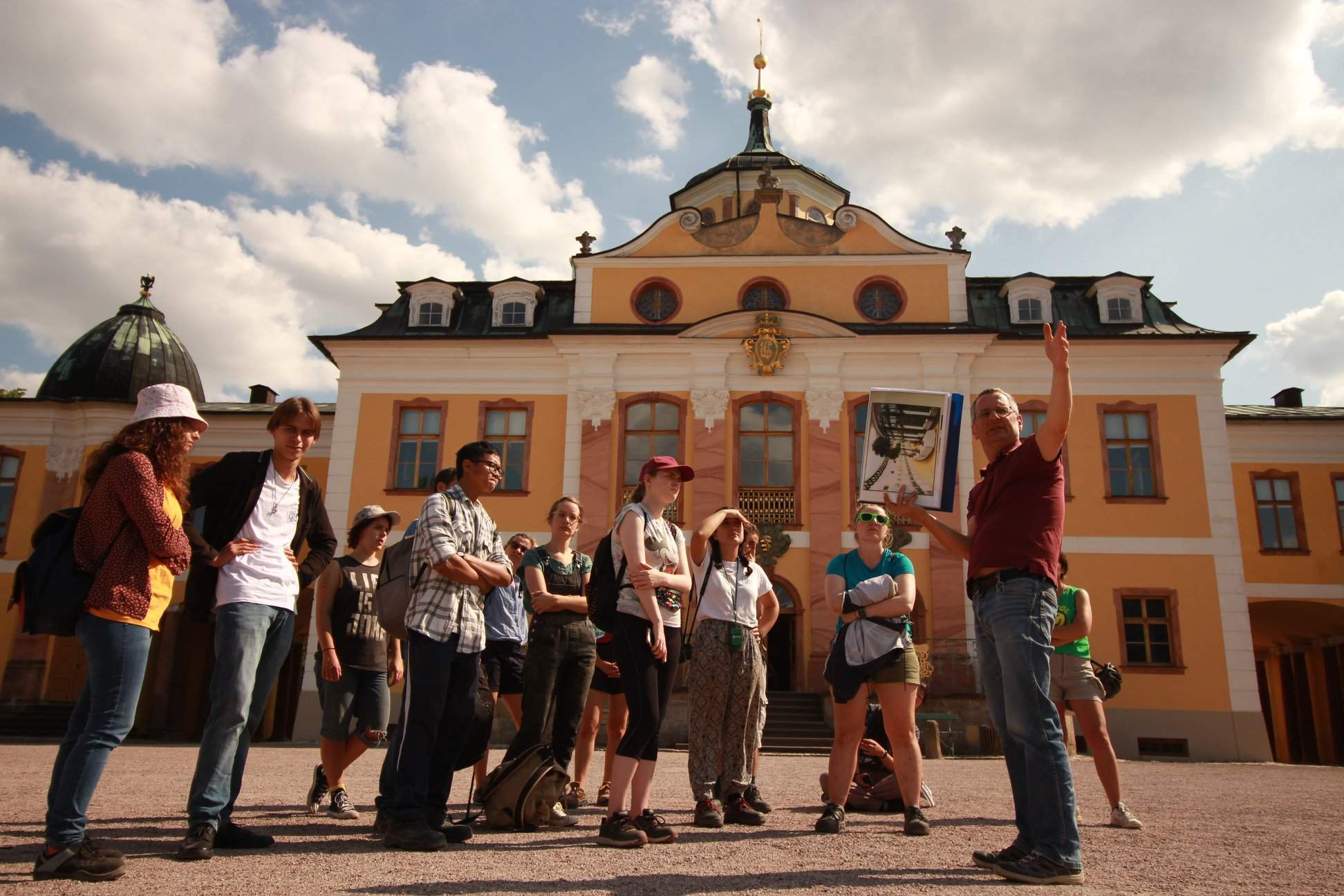
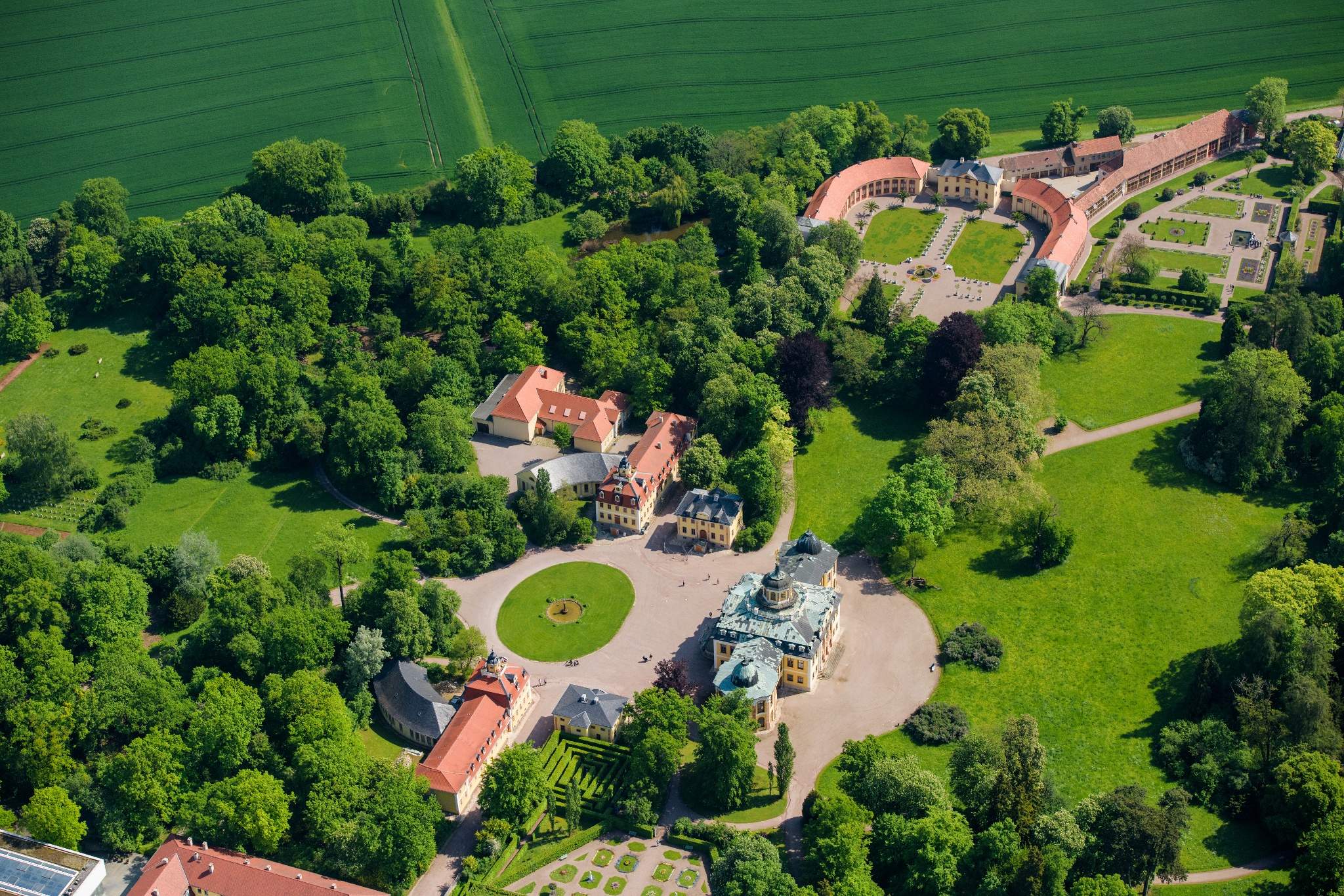
Since 2012, efforts have focused on doing conservation and maintenance works on important elements of the Classical Weimar´s historical gardens, particularly in the last three years focused on the historic kitchen garden of Belvedere Park, through dry-stone wall conservation, pathway restoration, and structural maintenance. This year, the project extends its scope to include the Wieland Estate in Oímannstedt, a site closely connected to the Classical Weimar period, enhancing the narrative of Weimar's cultural heritage through practical conservation and interdisciplinary educational activities.
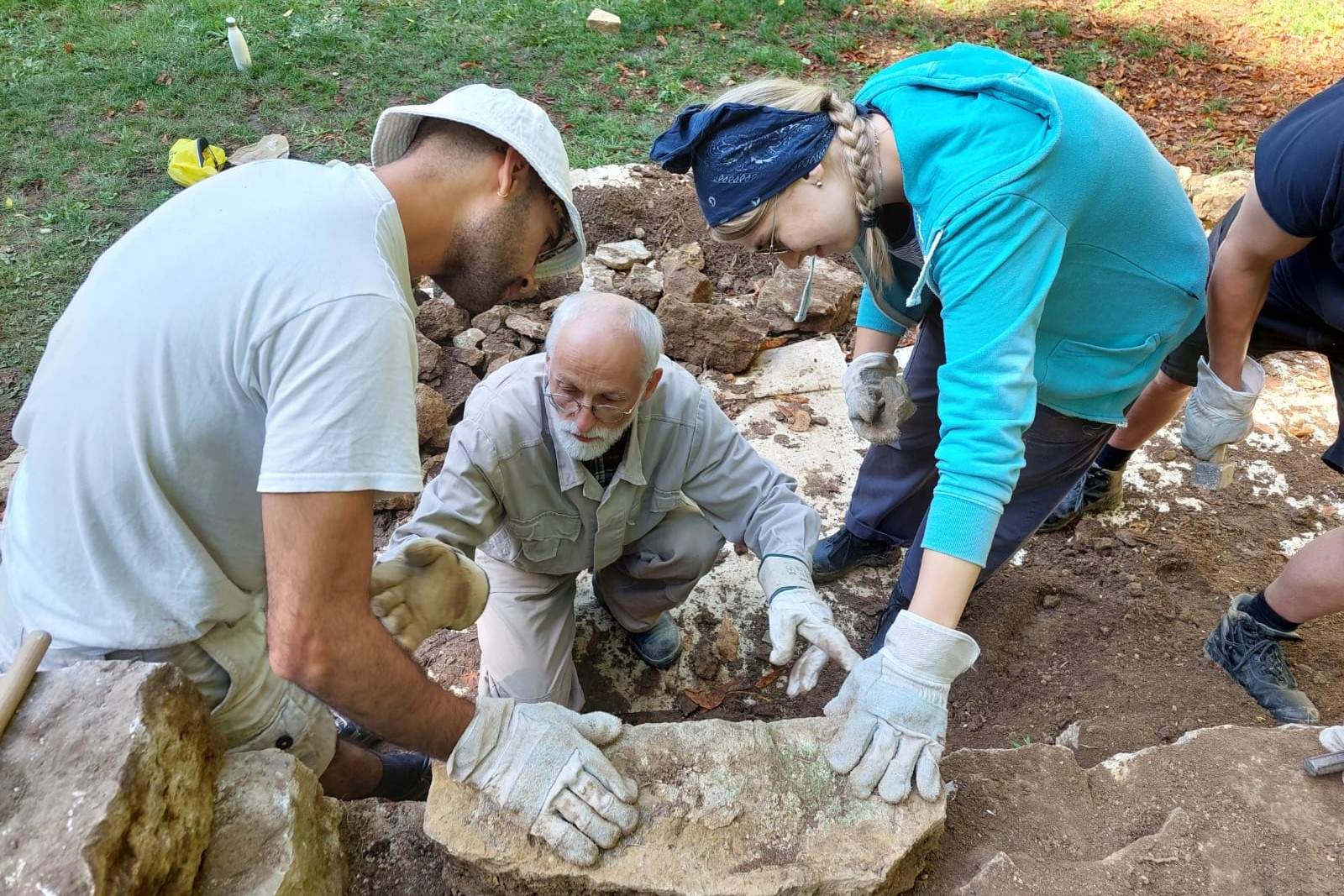
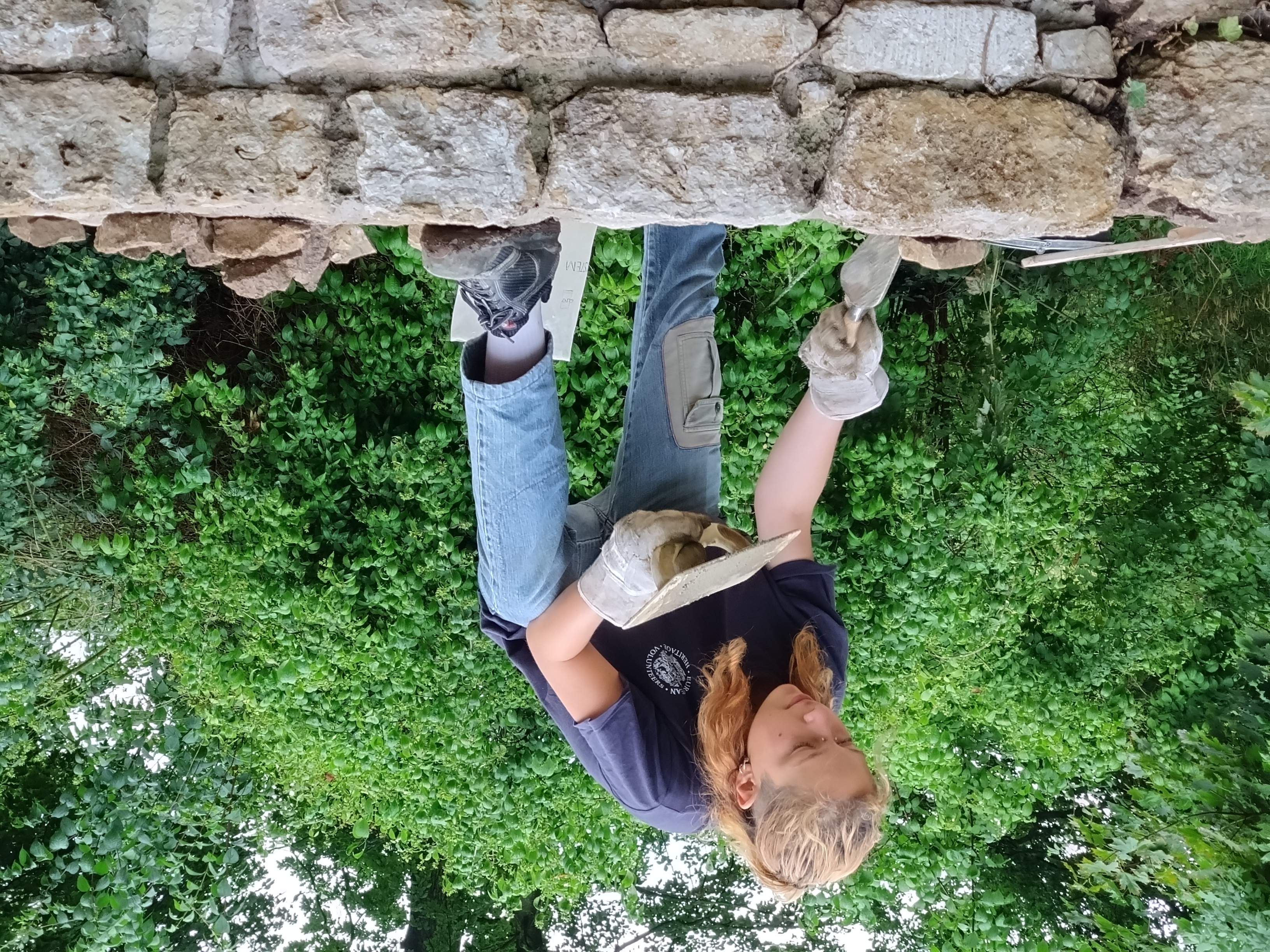
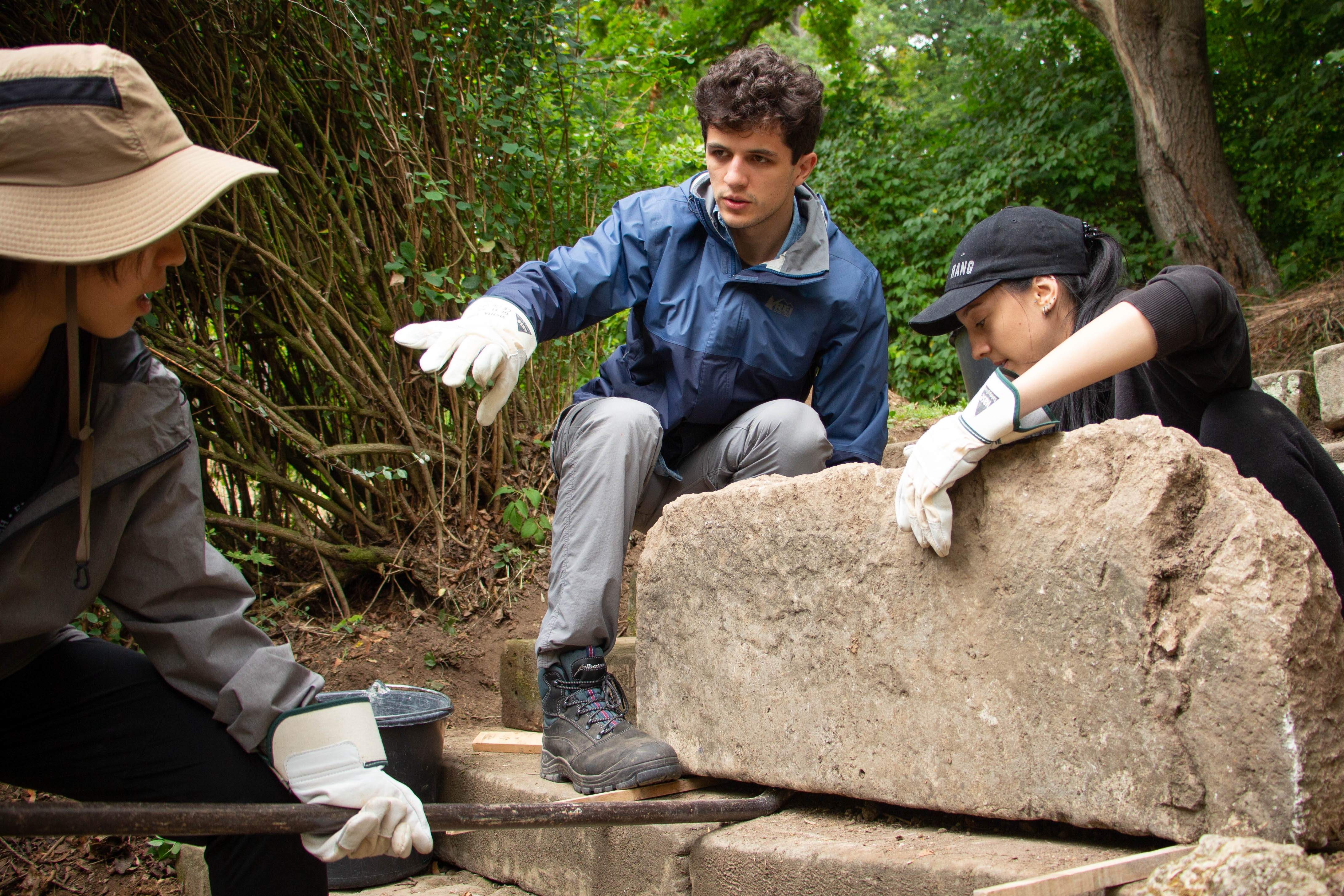
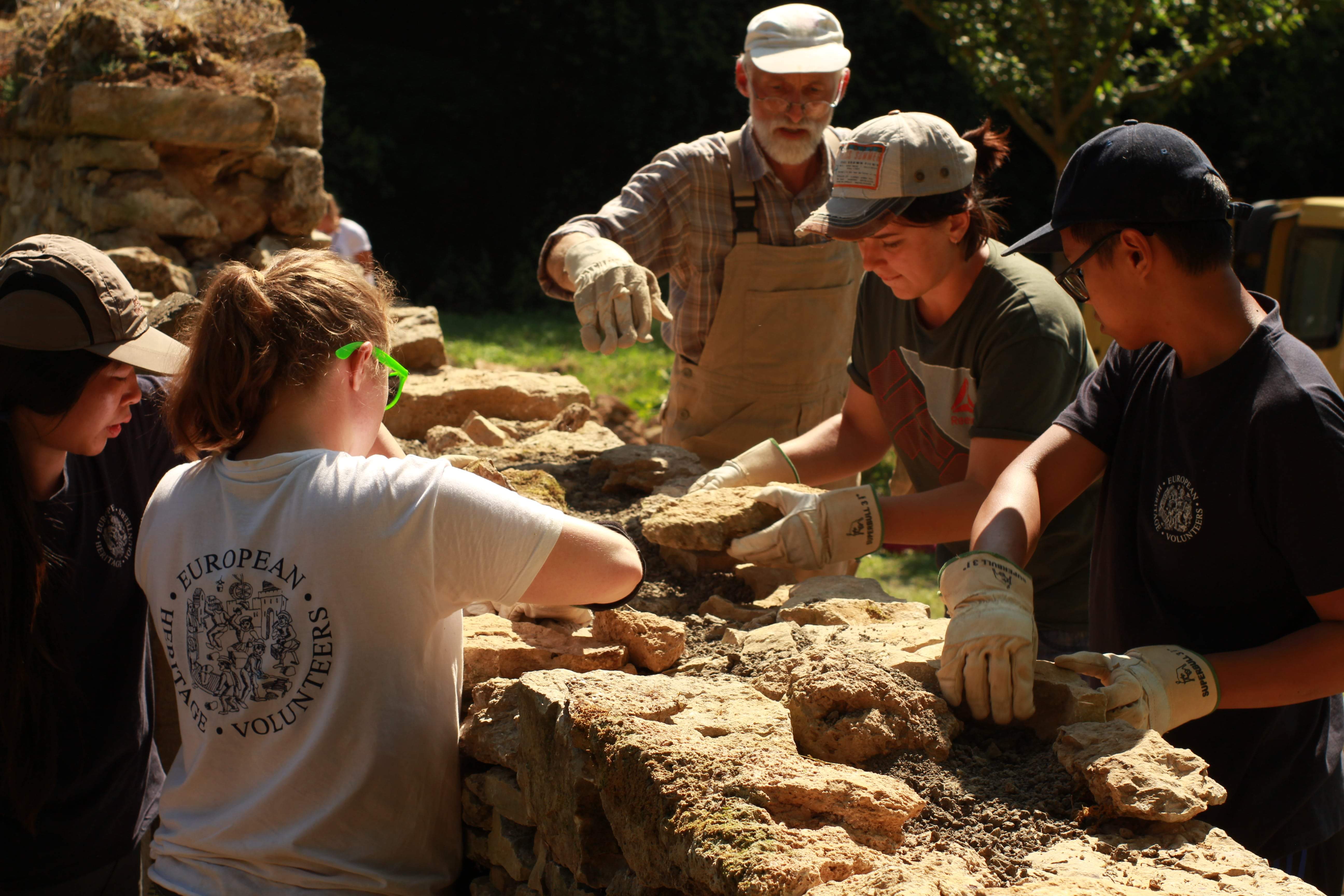
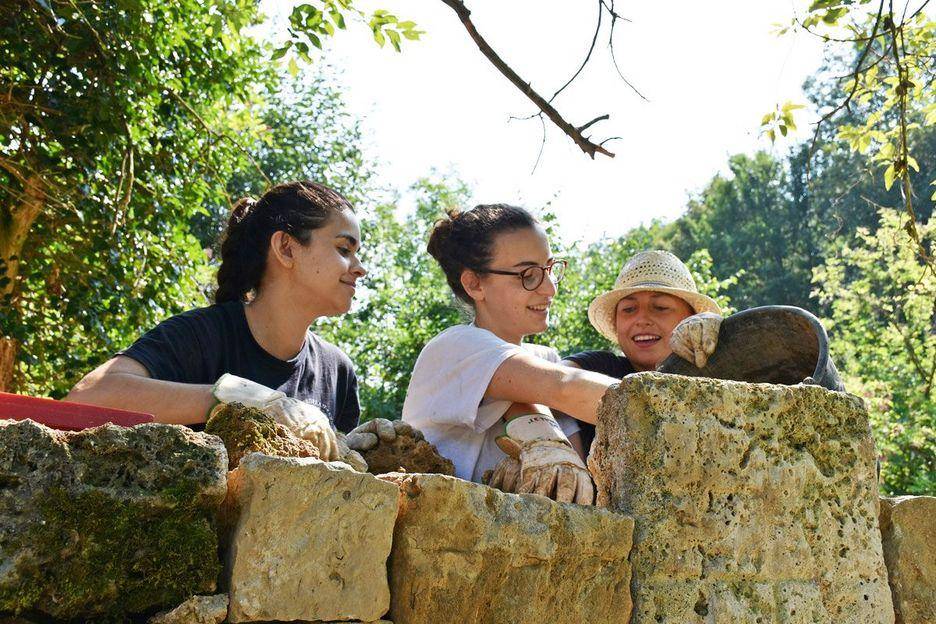
The hands-on conservation work will focus on the reconstruction and stabilisation of historic garden structures both in Weimar and Oímannstedt. At Belvedere Park, the work continues on the conservation of lateral dry-stone walls, which provide structural support to terraced sections of the garden. At the Wieland Estate, the participants will engage in the conservation of a historic dry-stone wall that serves as both a containment structure and a boundary between the estate's gardens and the River Ilm, which also runs through the parks of Classical Weimar. The work will be carried out under the guidance of an expert stonemason with decades of experience in traditional masonry techniques. In addition, the participants will also collaborate with other tasks related to the upkeep of the historical gardens at the estate. An integral component of the project is the philosophical approach to slow-work in craftsmanship, emphasising the careful and deliberate application of traditional masonry and construction techniques. This method aligns with the principles of the New European Bauhaus, advocating for the sustainable use and reuse of materials and the integration of historical construction techniques into modern architectural practice.
🏠 Accommodation on site
Accommodation:
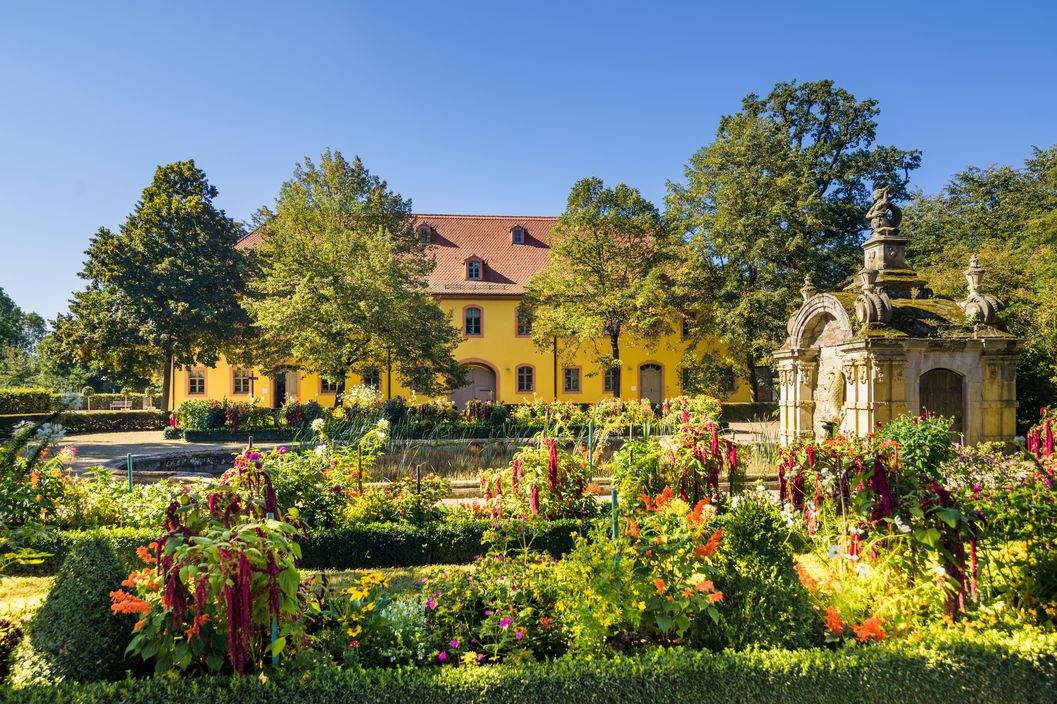
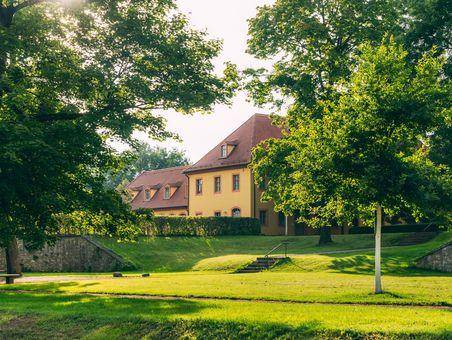
Participants will be accommodated in a historic museum and residence of German poet Christian Martin Wieland, the Wielandgut Oßmannstedt. Shared rooms and essential facilities, including sanitary amenities and kitchen access, will be provided to ensure a functional and comfortable stay within the heritage setting.
Food:
The meals will be prepared together as they are part of the community life, what means that every participant will be responsible for the meal at least once during its stay. So, it would be very nice if the participants could bring typical recipes from home in order to introduce each other to the preparation of food from all over the world.
Insurance:
In cases of accident and liability all participants from foreign countries are insured by Open Houses. Nevertheless, individual travel insurance is recommended. Participants from outside European Union are insured in cases of illness, too. Participants from the European Union should bring their European Health Insurance Card.
Finances
All costs linked to the project are covered, including food, accommodation, insurance and transportation during the stay at the project. Travel costs to and from the camp place are not covered. Participants should organise their journey to and from the project place by themselves and on their own expenses. Furthermore, participants should bring their own pocket money.
📍 About the location
The Classical Weimar ensemble, inscribed as a UNESCO World Heritage Site in 1998, comprises eleven properties in and around Weimar, Germany. These sites exemplify the city's profound cultural development during the late 18th and early 19th centuries, a period marked by outstanding contributions to German and European literature, philosophy, and the arts. Weimar became a nucleus for intellectuals and artists, creating an environment that greatly influenced European Enlightenment and Romantic movements. An important site linked to Christoph Martin Wieland (1733–1813), a seminal German poet, writer, and translator, is the Wieland Estate in Oímannstedt, located near Weimar. This estate served as his residence and is emblematic of his contributions to Weimar's cultural heritage. The property includes a manor house and a landscaped park, reflecting the aesthetic and intellectual sensibilities of the period. Today, the estate is part of the Classical Weimar Foundation, which manages numerous historical sites associated with Weimar Classicism. The foundation is dedicated to preserving and promoting the cultural legacy of Weimar, overseeing properties that collectively illustrate the city's historical significance.
⚠️ Requirements
Special requirements are sending a CV, application form, and motivation letter to
[email protected] prior to selection there will be an interview. Candidates should be interested in the topic of the project / training course and demonstrate it in the motivation letter and interview.