WHV-ARABUKO SOKOKE FOREST AND SHIMBA HILLS NATIONAL RESERVE
Code: 4094cddd-dfc1-11ef-9ba5-fa163ef8d720 Copied
About the project
WHV-ARABUKO SOKOKE FOREST AND SHIMBA HILLS NATIONAL RESERVE
📝 Detailed information
🏢 About the local organisation
Arabuko-Sokoke is rich in biodiversity, but of particular importance is the exceptionally high degree of endemism. This, together with the forest's large area of continuous woody vegetation (most remaining coastal forests cover only a few hundreds of hectares, sometimes much less) gives it a very high conservation value.
The forest is managed jointly by the Forest Service and the Kenya Wildlife Service under a Memorandum of Agreement, through the Arabuko-Sokoke Forest Management Team (ASFMT). The arrangement brings together these two institutions with the Kenya Forestry Research Institute and the National Museums of Kenya.
Extensive licensed logging has occurred in the past, with noticeable negative effects on wildlife species and those in bird are documented Licensed selective logging continues on a smaller scale, along with licensed collection of dead wood for fuel.
Both these practices have proven difficult to police, and regular poaching of valuable trees continues to be a major problem. Which is preferred for the carving and construction industry, has been severely affected, as have timber species such as Pleurostylia Africana?
Illegal hunting, mainly of duiker and elephant shrews, is evident other species threatened by poaching are the dikdik and the giant forest Hog, although its impacts have not been determined. Local people use forest products for many purposes, including fuel wood and medicinal plants, and collect water at the seasonal pools.
The forest is surrounded by agriculture on all sides.
Arabuko Sokoke because Arabuko-Sokoke is rich in rare wildlife, especially among the fauna. Six taxa of butterflies endemic to the East African coast are present, as well as three rare, near endemic mammals: Golden-ramped Elephant shrew (Rhynchocyon chrysopygus), Ader's Duiker (Cephalophus adersi) (found only in Sokoke and Zanzibar) and the distinctive Sokoke Bushy-tailed Mongoose (Bdeogale crassicauda omnivore). There is also a population of the African Elephant (Loxodonta Africana), and African Golden Cat (Felis aurata), rare in Kenya, may occur (1993).
Unusual reptiles include the Green Keel-bellied Lizard (Gastropholis prasina), and the forest is exceptionally rich in amphibian, including coastal endemics such as Bunty's Dwarf Toad (Mertensophryne micrannotis) (Drewes 1997). Robertson & Luke (1993) list 50 plant taxa from Arabuko-Sokoke that are globally or nationally rare.
Arabuko-Sokoke has been ranked by Bird Life International as the second most important forest for bird conservation in mainland Africa (Collar & Stuart 1988). Six globally threatened species, and five out of the seven species in the East African Coastal forests Endemic Bird Area, occur. Clarke's Weaver bird is known only from Arabuko-Sokoke and the little studied Dakatcha woodland, while the Sokoke Scops Owl is only known from this forest and one other site in north-east Tanzania. More than 230 bird species are recorded in 1995, including 25 of Kenya's 30 African East Coast biome species (24 regularly).
In terms of birdlife the area has the Southern Banded Snake Eagle, Fischer's Tobacco, which are near threatened are resident in the forest, Sokoke Scops Owl and Spotted Ground Thrush are Endangered, the Sokoke pipit, East Coast Akalat, Amani Sunbird, Plain-backed Sunbird and Clarke's Weaver are vulnerable while Arye's Hawk Eagle, African Crowned Eagle, African Pitta, Scaly Babbler and are regionally threatened.
💼 What the programme involves
ESSENTIAL DUTIES ACTIVITIES AND RESPONSIBILITIES
Promotion :
1. Forest Protection - The essential problem facing the Arabuko-Sokoke forest is the ongoing degradation of the forest biodiversity by the forest adjacent communities.
2. Snare removal -Together with community forest associations we organize de-snaring actions with objective to remove maximum number of snares from one area. Snaring is a cheap and indiscriminate method of poaching threatening several wildlife species in the forest.
3. Foot Patrol- will be done by community scouts and volunteers to patrol the forest day and sometimes night to keep the forest safe. They employ various techniques to investigate and follow-up on potential threats and liaise with Kenya Forest Service and Kenya Wildlife Service to achieve maximum results.
4. Roads maintenance- the forest has about 200 km of forest roads and trails which are used for its protection and by visitors. Volunteers will work with community members to open these trails and make them available during whole year.
5. Forest conservation - education programme we work with schools bordering Arabuko Sokoke Forest to reach out to the school-going children and help the learners to understand the importance of the forest and environmental conservation. This programme aims to bring up a generation conservation conscience generation.
6. Wildlife and human conflict - rural communities living next to the forest have more and more exploited it for their livelihoods and settled on its boundary which inevitably resulted in human – wildlife conflicts.
7. Field observations, interviews,- focused group discussions, questionnaires, talks, and video shows will also be used. Knowledge improvement on forest conservation.
8. Youth trained and engaged to collect socio-economic and monitoring data Beekeepers trained and supported. Advocate for effective and efficient management of the forest, linking community management with private sector and other communities in similar situations.
9. Integrated into the mainstream economy could easily uplift the people’s standard of living. In respect to this, a session where the council of elders who are custodians of culture will have time to talk with the community and young people as well as the international volunteers about the true history of the town where we will use recording to capture this unique intangible cultural heritage.
10. We will organize baraza (meeting) where the area leaders, local organizations, council of elders, young people from this area and the locals are going to assemble as we talk about the importance of promoting, preserving and conserving the old town to ensure that the coming generations benefit from it and learn it’s history.
11. Forest conservation education programme we work with schools bordering Arabuko-Sokoke Forest to reach out to the school-going children and help the learners to understand the importance of the forest and environmental conservation. This programme aims to bring up a generation conservation conscience generation.
Preservation:
The essential problem facing the Arabuko-Sokoke forest is the ongoing degradation of the forest biodiversity by the forest adjacent communities. As long as the demand for forest and wildlife-related products exists, the forest biodiversity will be under constant threat. We must continually adapt to this evolving threat of illegal logging, charcoal production or poaching in order to protect the Arabuko-Sokoke forest biodiversity.
The main cause of forest exploitation is due to poverty and limited livelihood options. Pressure due to population growth and inadequate government service provision is the greatest threat to the forest and species within it. If the forest is to become sustainable for the long-term, its security is a prerequisite for poverty alleviation, economic development, and for providing safety for all wildlife and their habitats.
Training and equipment:
All participants will undergo thorough training on field operations and related skills and additional refresher training is provided when needed. Proper and frequent training is one of the most important elements of creating an able and well-disciplined law enforcement team to counter illegal activities by the help of scout and Kenya forest service and Kenya wild life service officers.
Foot Patrol will be done by community scouts and volunteers to patrol the forest day and sometimes night to keep the forest safe. They employ various techniques to investigate and follow-up on potential threats and liaise with Kenya Forest Service and Kenya Wildlife Service to achieve maximum results.
Roads maintenance:
The forest has about 200 km of forest roads and trails which are used for its protection and by visitors. Volunteers will work with community members to open these trails and make them available during whole year
Snare removal:
Together with the community forest associations we organize de-snaring actions with objective to remove maximum number of snares from one area. Snaring is a cheap and indiscriminate method of poaching threatening several wildlife species in the forest. Forest conservation education programme we work with schools bordering Arabuko Sokoke Forest to reach out to the school-going children and help the learners to understand the importance of the forest and environmental conservation. This programme aims to bring up a generation conservation conscience generation.
• Character development and ethical enrichment activities ;
• Mentoring activities, including one-to-one relationship building and tutoring ;
• Community youth centers and clubs ;
• Non-school hours, weekend, and summer programs and camps ;
• Sports, recreation, and other activities promoting physical fitness and teamwork.
Youth are expected to advance the current technology, education, politics, and peace of the country. On the other hand, youths have also to maintain the culture of our culture, all good values in the societies, development projects, etc. Youth is the backbone of any nation.
To encourage local community members to protect the environment:
1. Keep your garden on green space chemical free
2. Don't buy single-use plastics
3. Shop locally, shop organically
4. Record the wildlife near you
5. Reuse and Recycle
6. Reduce your carbon footprint
7. Plant pollinator-friendly plants.
🏠 Accommodation on site
At a host family. Please note that you will share the typical living conditions of a Kenyan family. There will be electricity, but no shower and pipe water/taps at the accommodation. Volunteers will be using buckets for bathing. Water will be boiled for drinking purposes and those who prefer can buy bottled water.
🍲 Food
During your stay on this project food will be given by your host family, volunteers will be provided with three meals a day (break fast, lunch and dinner), food will be prepared by the host with the help of volunteers. Most foods are locally made and fresh produced .
📍 About the location
Arabuko Sokoke Forest is located in Kilifi County, on the coast of Kenya.
Shimba Hills is located in Kwale County, also on the coast of Kenya, south of Mombasa.
Location: Between kilifi and kwale in watamu located on the coastal part of Kenya, approximately 10 hours’ drive,6 hours by Train and 1:40 munities by local flights from Nairobi. Transport to the project will be by public transport. Post Office, Banks (ATMs), Internet and other social facilities are located in Kitale Town.
🎒 Leisure activities
Volunteers visiting Arabuko Sokoke Forest and Shimba Hills can enjoy a variety of leisure activities:
Arabuko Sokoke Forest (Kilifi County):
Bird Watching: The forest is home to rare and endemic bird species, making it ideal for bird enthusiasts.
Nature Walks: Explore the diverse flora and fauna through guided walking trails.
Photography: Capture the beauty of the forest's unique wildlife, plants, and landscapes.
Eco-Tourism Experiences: Learn about conservation efforts and interact with local communities involved in preserving the forest.
Shimba Hills (Kwale County):
Safari Drives: Take a game drive through the Shimba Hills National Reserve, spotting wildlife like elephants, buffalo, and antelope.
Hiking: Enjoy hiking trails, such as the one leading to the beautiful Sheldrick Falls.
Picnicking: Relax at designated picnic spots with scenic views of the reserve.
Cultural Visits: Engage with the local Digo community to learn about their traditions and way of life.
Both locations offer peaceful and enriching experiences in nature, making them perfect for leisure activities during free time.
⚠️ Requirements
We are seeking volunteers who have experience in one or more of the following access; environmental, education community development, public teaching, sciences, conservation, event planning, fundraising and grant writing. The ideal volunteer is natural, flexible, patient, self-motivated; creative, culturally competent adapts to new environments easily, and possesses a sense of humor also volunteers with less experience are allowed to apply.
You'll need to meet certain requirements, including age, health, and attitude. You'll also need a passport and visa to enter the country.
1. Age: You must be at least 18 years old (if you are below 18 years you need written consent from a guardian), or the age required by your program.
2. Language: You should be able to speak at least basic English, or the language required by your program.
3. Passport: You'll need a valid passport to enter Kenya.
4. Visa: You'll need a Single Entry Visa or tourist visa to volunteer in Kenya.
5. Travel insurance: You'll need to have travel and health insurance.
6. Background check: You may need to provide a criminal background check report.
7. Vaccinations: You may need to get certain vaccinations before entering Kenya.
8. Training: You may need to participate in training provided by your organization.
9. You should also be open-minded, flexible, and patient, and willing to step outside your comfort zone.
10. A positive attitude towards independent progress of others.
11. A willingness to adapt to local conditions.
🤝 Meeting point
Arrival Terminal At Jomo Kenyatta International Airport Nairobi.
Duration of the project: The program will run for a minimum of 1 month and a maximum of 12 months. The program is running throughout the year.
Orientation: Orientation meeting will take place in Nairobi before proceeding to the project.
Day 1: Arrival and pick up from the Jomo Kenyatta International Airport, in Nairobi, Kenya and transfer to host family home or hostel.
Day 2: Morning: registration and start of orientation. About 4 hours lecture at the home of your host. Topics covered during orientation lecture will include East African culture, history, customs, politics, geography, and necessary health precautions, and various other topics, such as the diversity of Kenyan life.
Afternoon is free for exploring rural Kenyan life and getting to know your host family.
ℹ️ Additional information
Additional requirements :
1. Some programs may have additional requirements, such as a registration fee or program fee ;
2. Medical volunteers may need to provide college enrollment documents ;
3. Volunteers working with children may need to provide a criminal background check report.
Participation fee :
450 Euros per months (12 months). The project fee or extra fee includes airport pick up, airport transfer, food, accommodation and host, transport from Nairobi to the project and back to Nairobi after the project, city tour, 2 days host In Nairobi on your arrival and last day after project, 24 hours Agape Centre Of Hope Office Support and project monitoring.
This project runs all round the year and is open for applications all times.
Interested in this project? Create your account and apply online.
Sign in to apply📷 Project photos
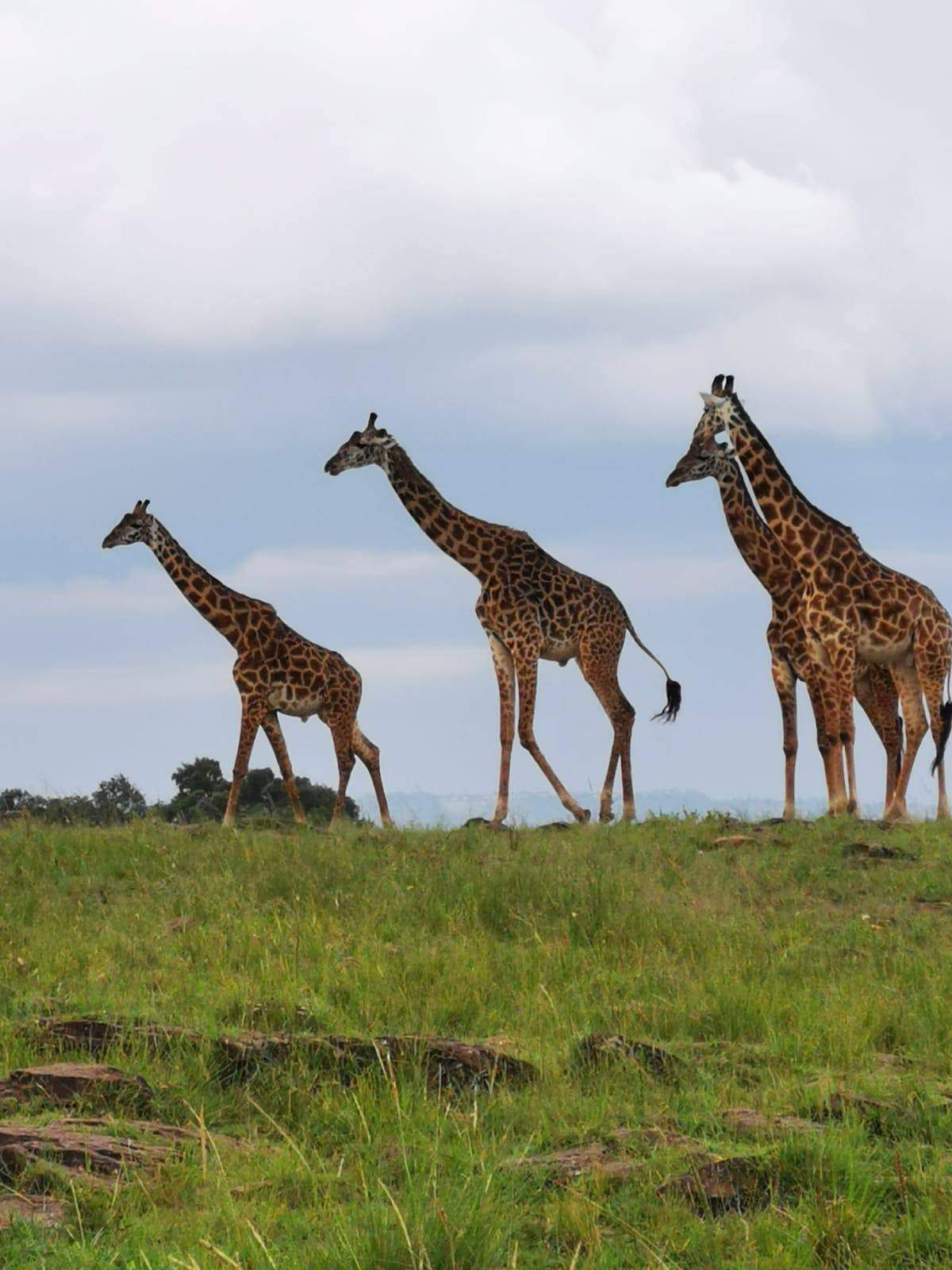
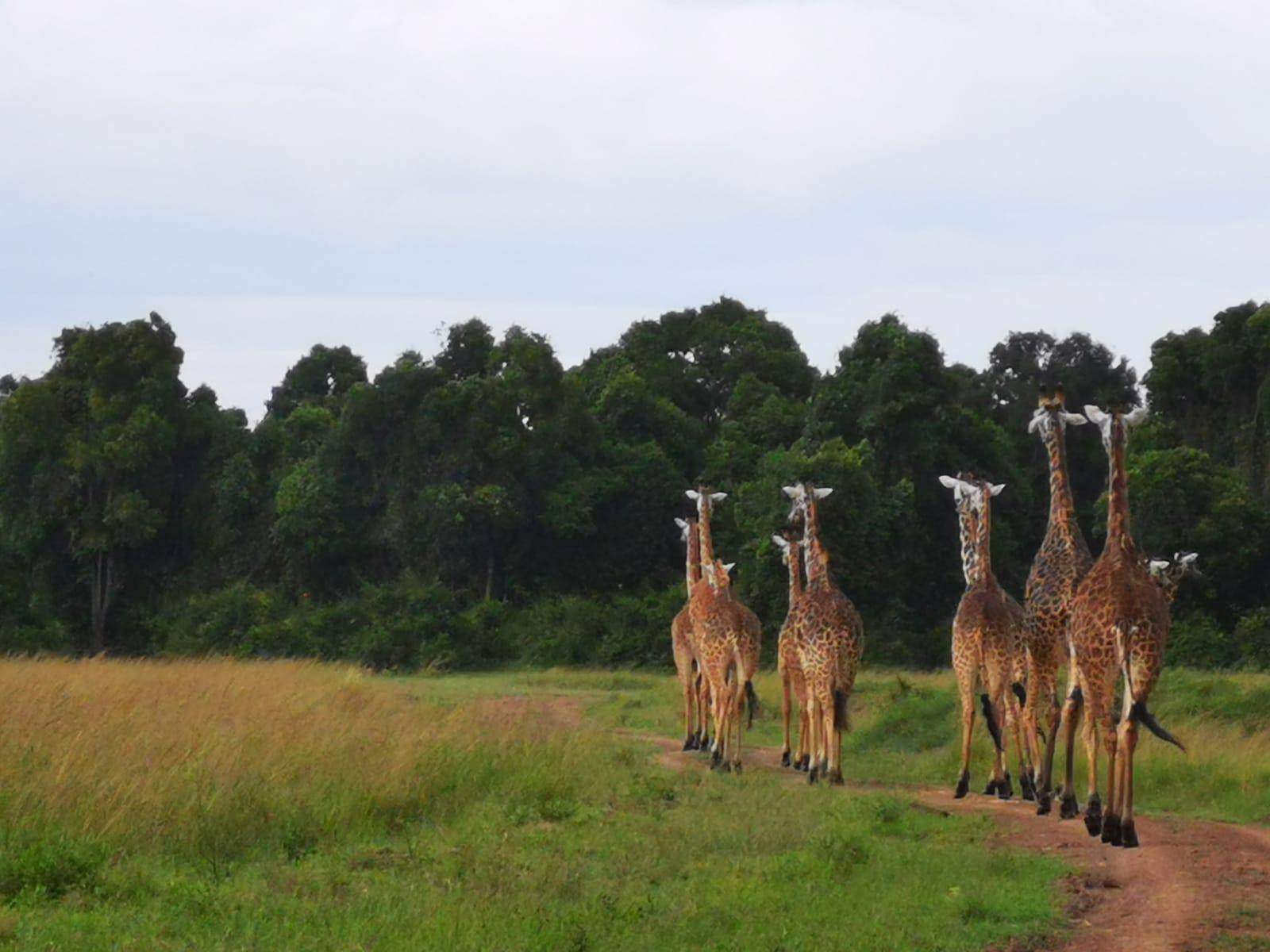
📅 Available sessions
ACoH: MLTV09/1: WHV
01/08/2025 at 00:00 → 31/12/2026 at 00:00
ACoH: MLTV09/1: WHVAUTO-EXT
01/01/2027 at 00:00 → 01/06/2028 at 00:00
ℹ️ Key information
Age required
18–99 years old
Solidarity donation
450.00 EUR
French tax residents may be eligible for a tax reduction of up to 66% of their costs (membership, plane tickets, solidarity donation).
📍 Location
Kwale, Kenya
Kenya
🌍 Location info
Local currency
Kenyan Shilling (KES / KSh)
Exchange rate
1 KES = 0.006892 EUR
Rate as of 31/05/2026
Timezone
East Africa Time
Local time: 22:07 (12/11/2026)
🛡️ Before you leave
✅ Features
🏠 Accommodation
🗣️ Languages spoken